
Iran's Protests Escalate: Clashes in Tehran and Economic Despair Fuel Calls Against Supreme Leader
TEHRAN — Protests across Iran have intensified into the second week of January 2026, with security forces clashing violently with demonstrators in Tehran and other cities. Sparked by a plummeting national currency and soaring living costs, the unrest — the largest wave of dissent in three years — has seen crowds chanting against Supreme Leader Ayatollah Ali Khamenei, prompting stern warnings from Iran's top judiciary and reports of rising casualties.
The demonstrations, which erupted around December 28, 2025, over the Iranian rial's freefall and rampant inflation, continued unabated on January 6. In Tehran's iconic Grand Bazaar, shopkeepers and ordinary citizens staged a sit-in to protest the economic crisis, only to be dispersed by security forces using tear gas. Iran's official IRNA news agency confirmed arrests but provided no specific figures. Activists monitoring the situation report that at least several dozen protesters have been killed in clashes nationwide since the protests began, though independent verification remains elusive amid government restrictions on information flow.
Iran's judiciary chief issued a stark ultimatum on January 7, declaring there would be "no leniency for those who help the enemy against the Islamic Republic." The top judge accused Israel and the United States of employing "hybrid methods" to incite disruption, framing the protests as foreign-orchestrated sabotage. This rhetoric echoes Tehran's long-standing narrative of external interference in domestic affairs, a stance reinforced by international tensions, including U.S. President Donald Trump's recent statements threatening to support the protesters if the crackdown escalates.
Economic grievances lie at the heart of the upheaval. The rial has hit successive new lows, exacerbating inflation that has driven up prices for essentials like food and fuel. Ordinary Iranians, already strained by years of U.S. sanctions reimposed under the Trump administration, have seen living costs skyrocket. The government has attempted countermeasures, including direct cash payments to citizens, but demonstrators dismiss these as insufficient. Bazaar shopkeepers, who initiated the protests last month by condemning the currency's collapse, symbolize broader frustration among merchants and the working class dependent on stable trade.
Historical Context of Iranian Unrest
Iran has a history of protest movements tied to economic hardship and political repression. The current wave draws parallels to the 2019 "Bloody November" demonstrations over fuel price hikes, which resulted in hundreds of deaths according to Amnesty International, and the 2022 nationwide uprising following the death of Mahsa Amini in custody, which challenged mandatory hijab laws and led to over 500 fatalities per human rights groups. Unlike those, the 2025-2026 protests center primarily on macroeconomic failures amid a currency crisis worsened by international isolation.
Sanctions, nuclear program disputes, and regional conflicts — including Iran's support for proxies in Gaza, Lebanon, and Yemen — have crippled the economy. The rial's depreciation, from around 42,000 to the U.S. dollar in early 2025 to unprecedented lows by January 2026, has eroded savings and fueled black-market activity. Official data from Iran's Central Bank shows inflation exceeding 40% annually, though independent economists estimate higher rates.
Government Response and International Scrutiny
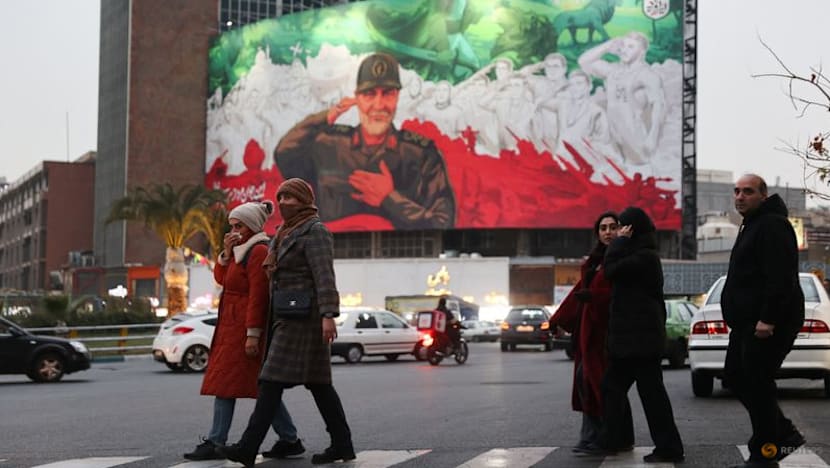
Security forces have adopted a heavy-handed approach, with reports of live fire, beatings, and mass detentions. The judiciary's warning signals potential for swift trials and harsh sentences, as seen in prior unrest. Tehran faces mounting international pressure; Trump's comments, amid his return to the White House, have heightened fears of U.S. involvement, recalling the 2020 assassination of General Qasem Soleimani.
Human rights organizations, including those cited by France 24, express alarm over the death toll and call for accountability. Internet blackouts, a common tactic in past protests, have limited real-time documentation, though social media clips show crowds in Tehran and provincial cities defying security lines.
As of January 7, protests persist despite the crackdown, with no signs of abatement. The government's economic relief measures have failed to quell anger, and judicial threats may deter some while radicalizing others. Analysts watching Iran note that sustained unrest could strain resources amid ongoing regional proxy wars, potentially forcing policy shifts or concessions. For now, the standoff underscores deepening fissures in a nation grappling with isolation and inequality.
(Word count: 612)