
Iran's Nationwide Protests Intensify: Security Forces Raid Hospital, Dozens Reported Killed
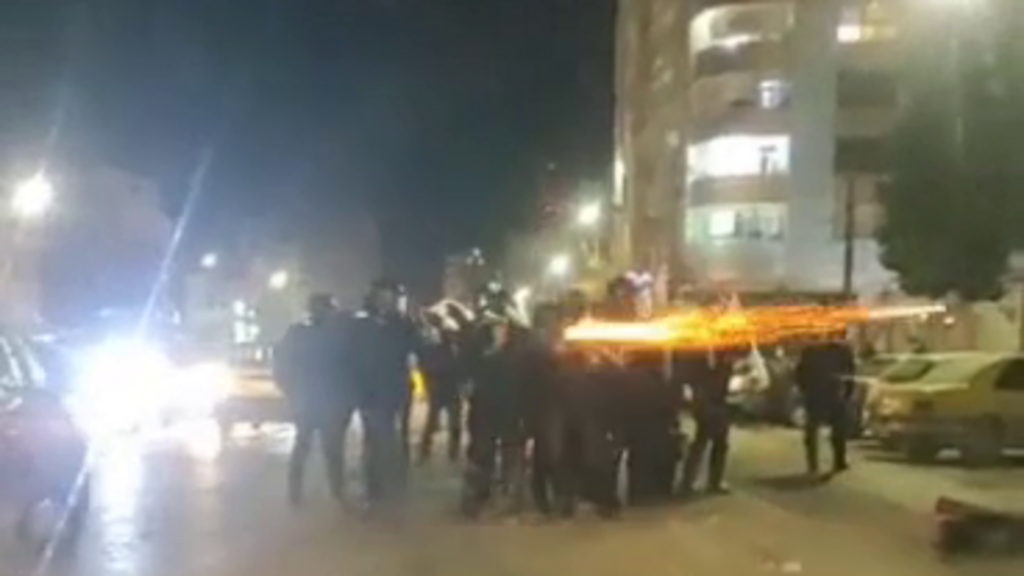
TEHRAN — Iranian security forces stormed a hospital in the western city of Ilam to detain injured protesters, firing shotguns and tear gas in verified video footage, as nationwide demonstrations against economic hardship entered their second month. Local reports indicate at least three deaths from earlier clashes in the nearby town of Arkavaz, contributing to a reported toll of 36 protesters killed across the country.
The incidents in Ilam occurred on the night of January 3-4, 2026, following a peaceful protest in Arkavaz where security forces opened fire on demonstrators. Videos authenticated by France 24's Observers team show masked agents entering the hospital, beating patients, and using force to make arrests. This escalation highlights the growing tensions in Iran's civil unrest, which began in December 2025 amid severe economic shortages.
Protests have spread from initial sparks of discontent over inflation, unemployment, and basic goods shortages to major cities nationwide. According to human rights group HRANA, at least 36 protesters have been killed since the unrest started. Government responses have included cash handouts to citizens, aimed at quelling anger, but these measures have failed to stem the demonstrations, which marked their 12th day of sustained momentum by January 8.
In a reported tactic to bolster domestic suppression, Iran's regime has been accused of deploying foreign militias, including Hezbollah fighters from Lebanon and groups from Iraq, to confront protesters. Experts cited in reports warn that this importation of external forces represents a dangerous escalation, potentially prolonging the crackdown and risking broader regional involvement.
The violence has drawn sharp international condemnation. U.S. Senator Lindsey Graham stated that if President Donald Trump returns to office, he would target Iran's Supreme Leader Ali Khamenei in response to the protester deaths. "Trump will 'kill' Iran's Khamenei" if forces continue killing demonstrators, Graham warned, reflecting heightened U.S. rhetoric amid the unrest.
Background on Iran's Economic and Protest Cycles
Iran's current protests fit into a pattern of civil unrest driven by long-standing economic woes. Decades of international sanctions, particularly those reimposed after the U.S. withdrawal from the 2015 nuclear deal in 2018, have crippled the economy. Inflation has soared above 40% in recent years, with the rial currency plummeting and shortages of food, fuel, and medicine persisting. The December 2025 demonstrations echo the 2022 "Woman, Life, Freedom" protests following Mahsa Amini's death in custody, as well as earlier bread riots in 2019 and 2017-2018 bazaar strikes.
Government efforts to distribute cash handouts, as noted in coverage of the spreading unrest, recall similar tactics during past crises. However, these have coincided with lethal force, including live ammunition use, drawing parallels to suppressed uprisings where security apparatus, including the Basij militia and Islamic Revolutionary Guard Corps (IRGC), played central roles.
Outlook Amid Escalation
As protests persist into mid-January 2026, the regime faces mounting pressure. The hospital raid in Ilam underscores a strategy of pursuing injured demonstrators even in medical facilities, potentially galvanizing further opposition. Accusations of foreign militia involvement, if substantiated, could invite international scrutiny and complicate Iran's regional alliances.
No official Iranian government statements on the Ilam incidents or militia deployments were immediately available in the reports. The unrest's trajectory remains uncertain, with economic indicators showing no immediate relief and global attention fixed on Tehran's response. Continued violence risks deepening divisions within the country, already strained by proxy conflicts in the Middle East.
(Word count: 612)






