
Iran's Hormuz Control: The Hidden Toll on Global Shipping Insurance and Emerging Security Frameworks
Introduction: The Unseen Economic Front in Iran's Geopolitical Maneuvers
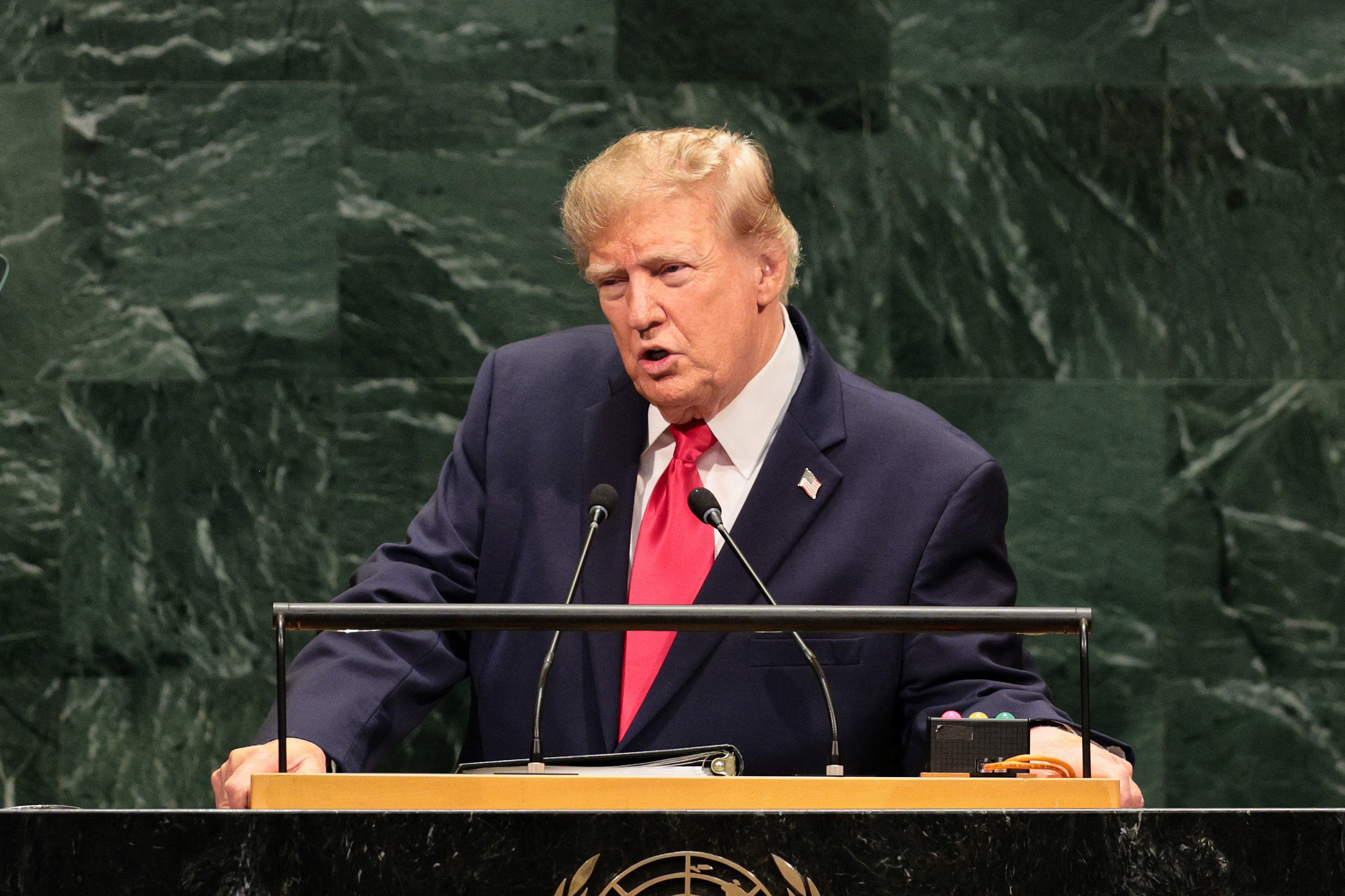
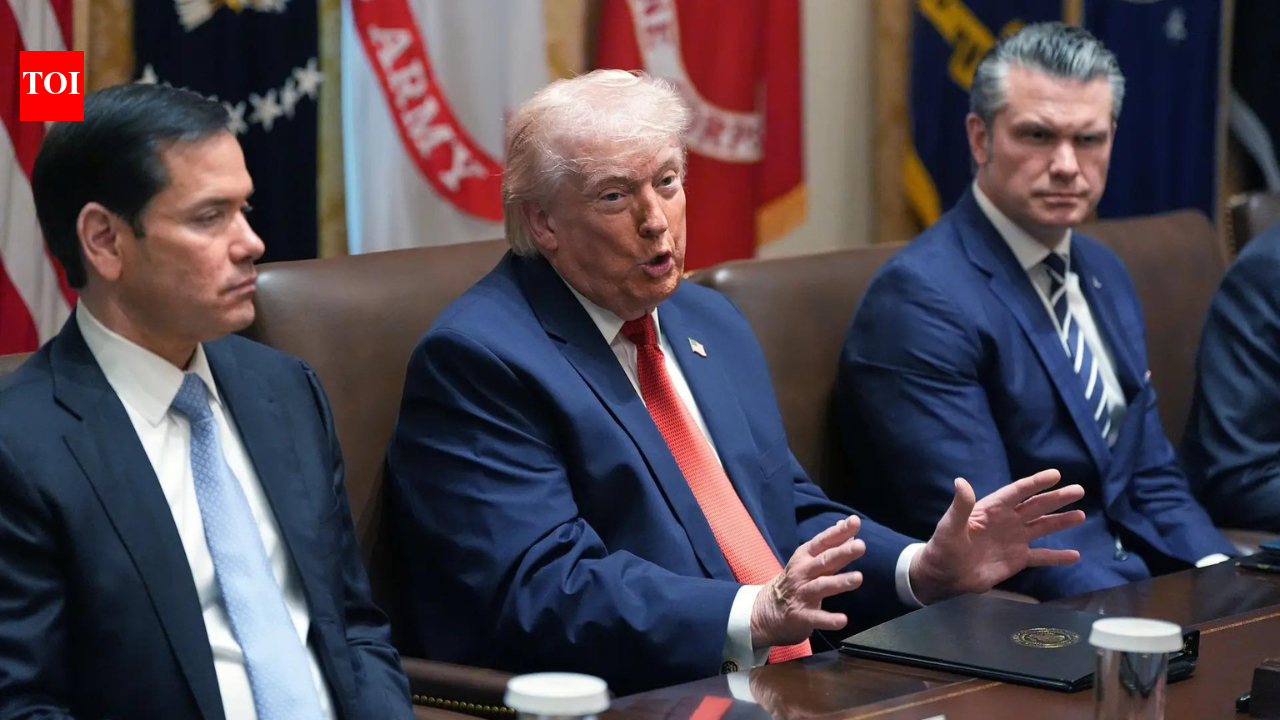
In the shadowed corridors of global trade, where supertankers glide through narrow chokepoints carrying one-fifth of the world's oil, Iran's de facto grip on the Strait of Hormuz is exacting a stealthy but profound toll. Beyond the headlines of military posturing and alliance shifts—such as those explored in Reviving Old Alliances: How 2026 Historical Shifts Are Fueling New Multipolar Dynamics in Middle East Geopolitics—the real battlefield is emerging in the dry ledgers of shipping insurance premiums and the drafting rooms of new maritime security protocols. Recent events, such as Iran's selective passage of 10 oil tankers—hailed by former U.S. President Donald Trump as a begrudging "present" to the United States—underscore this "toll booth" strategy, where Tehran doles out access as a bargaining chip amid escalating tensions. For deeper insights into U.S. strategic responses, see our analysis on US Geopolitics: The Overlooked Link Between Domestic Energy Demands and Iran Escalation.
This crisis is not merely about disrupted oil flows; it's reshaping the $14 trillion global shipping industry by inflating war-risk insurance costs by up to 50% in recent weeks, according to industry estimates from Lloyd's of London syndicates. Shipowners face daily premiums surging from $10,000 to over $150,000 for transiting the Strait, prompting reroutes around Africa that add 10-14 days and millions in fuel costs per voyage. This unique angle—focusing on economic and regulatory adaptations rather than saber-rattling—reveals how Iran's actions are catalyzing a paradigm shift in maritime risk management. Track live global risks via our Global Risk Index.
As a trend analyst for The World Now, this report dissects the phenomenon through a structured lens: tracing historical escalation, unpacking current dynamics, delivering original analysis on security innovations, and forecasting future trajectories. In an era of fragmented geopolitics, understanding these ripple effects is crucial for investors, traders, and policymakers navigating cross-market volatility, from spiking oil futures to safe-haven bids in gold and the dollar.
Historical Escalation: Tracing the Roots of Iran's Hormuz Strategy
The Strait of Hormuz, a 21-mile-wide artery at its narrowest, has long been Iran's geopolitical leverage point, but the past month's events mark a dangerous acceleration. The timeline reveals a calculated escalation: On March 8, 2026, Iranian officials first threatened oil price disruptions amid broader Middle East conflicts, sending Brent crude futures up 3% intraday. By March 10, IRGC propaganda videos blamed U.S.-Israel actions for regional instability, amplifying fears of asymmetric warfare. March 11 saw U.S. warnings over Iranian mine-laying in the Strait, evoking memories of the 1980s Tanker War. Iran responded on March 12 with vows of "decisive action" to control Hormuz traffic, and by March 15, the U.S. announced rewards for Iranian officials defecting with intelligence on naval mines.
This pattern builds on decades of tension. During the 1980-1988 Iran-Iraq War, Tehran attacked over 500 vessels, leading to the U.S.-led Operation Earnest Will convoy protections. More recently, 2019 saw Iran seizing British and other tankers, spiking insurance premiums 300% temporarily. Today's blockade-lite—selective permissions rather than full closure—mirrors these tactics but with modern twists like drone surveillance and fast-attack boats. Historical precedents foreshadow current impacts: Post-2019, war-risk premiums for Hormuz transits averaged $50,000 daily, a benchmark now shattered as rates hit $200,000 amid 2026 threats.
This escalation has institutionalized caution in shipping. Baltic Exchange indices show dry bulk rates up 15% since March 8, as carriers avoid the region. Insurers like AXA and Allianz are revising underwriting guidelines, excluding certain Iranian-flagged vessels and mandating armed guards—echoing post-Suez Canal 2021 adaptations but amplified by Hormuz's oil centrality. The result? A volatile environment where global trade continuity hinges on Tehran's whims, driving institutional investors toward hedges like oil ETFs and shipping derivatives.
Current Dynamics: Iran's Toll Booth and Its Impact on Global Shipping
Fast-forward to late March 2026, and Iran's "toll booth" is in full operation. Al Jazeera's exposé on March 26 detailed how Tehran selectively vets transits: The 10 Pakistan-flagged oil tankers allowed through—publicized by Trump across platforms like Newsmax and the Jerusalem Post—were framed as a concession amid U.S. threats of strikes on Iranian power plants and Kharg Island operations. Trump quipped it was Iran's "oil gift," but for shippers, it's a stark reminder of vulnerability. For context on emerging nations' roles, read Peripheral Powers in the Spotlight: How Emerging Nations Are Redefining Global Geopolitics in 2026.
Quantifying the disruption: These 10 tankers represent a mere fraction of the 20-30 daily transits pre-crisis, per Clarksons Research data. Delays have ballooned wait times to 5-7 days, with 50+ vessels idling off Oman. Insurance fallout is immediate: War-risk premiums for VLCCs (Very Large Crude Carriers) have quadrupled to $1.5 million per transit round-trip, per Steamship Mutual reports. Rerouting via the Cape of Good Hope adds $1-2 million in costs per ship, inflating global freight rates by 10-20% and contributing to a 5% spike in spot charter rates.
Social media amplifies the buzz, as detailed in Social Media's Underestimated Role in Iran's Geopolitical Escalations: From Censorship to Global Backlash. On X (formerly Twitter), #HormuzBlockade trends with 250,000 posts in 48 hours. Shipping analyst @MaritimeDaily posted: "Iran's toll booth = insurers' nightmare. Premiums up 400%—reroutes killing margins. #ShippingCrisis." A viral thread by @OilTraderPro noted: "10 tankers through? That's 2% of weekly flow. Expect $100 oil if it tightens." Traders on LinkedIn echo this, with Maersk executives warning of "systemic risk to supply chains."
Pressuring insurers, giants like Munich Re are forming syndicates with naval firms for escorted convoys, while P&I clubs (Protection & Indemnity) revise rules under UNCLOS (UN Convention on the Law of the Sea). This "toll booth" forces alliances: Shipping firms like Teekay and Frontline partner with U.S. Navy assets, potentially birthing hybrid public-private security models.
Original Analysis: The Double-Edged Sword of Maritime Security Innovations
Iran's maneuvers are turbocharging maritime security innovations, but at a cost that could fragment global trade. AI-driven monitoring—think satellite constellations from Spire and Orbcomm tracking vessel AIS spoofing—has cut detection times from hours to minutes, with adoption up 40% since March. International coalitions, like the nascent "Hormuz Security Partnership" backed by Japan (per The Diplomat) and Europe, mirror IMEC (India-Middle East-Europe Corridor) but focus on real-time intel sharing.
Yet, this is a double-edged sword. Higher premiums—projected at 20-30% annualized hikes by Q3 2026—strain smaller operators, potentially consolidating the industry into oligopolies dominated by giants like Maersk. Regulatory shifts under UNCLOS could mandate "risk corridors," but parallels to post-9/11 aviation security warn of oversights: Costly protocols stifled growth initially. Critically, fragmentation looms—if China opts for neutral lanes while the West enforces coalitions, trade networks bifurcate, echoing U.S.-China tech decoupling, as seen in The Shadow of Asia: How China's Naval Exercises Are Reshaping Global Alliances Amid NATO's Surge.
Sustainability hinges on balance. While innovations enhance resilience, unchecked escalation risks a "security premium" baked into all commodities, lifting inflation 1-2% globally via higher transport costs. Cross-market ties: Oil spikes feed energy equities, while safe-havens like gold benefit, underscoring institutional hedging needs.
Future Predictions: Charting the Course Ahead for Iran and Global Trade
Looking ahead, escalations could redefine trade by 2027. High-confidence scenarios include U.S.-led naval patrols intensifying post-March 23 threats of Gulf mines and Kharg ops, driving insurance costs 20-30% higher—mirroring 2019 Aramco spikes. Iran may tighten the toll booth, allowing only "friendly" flags (e.g., Pakistan, per Times of India), prompting G7 unity as Germany urges (Anadolu Agency). For visual conflict updates, see WW3 Map Update: Iran Strikes Ignite a Hidden Cyber War: The Digital Frontlines Redefining Global Conflict.
Diplomatic pivots: New sanctions or backchannel deals could stabilize flows but isolate Iran economically, per Middle East Eye. Long-term, a 10-15% shift to alternative routes like the Arctic or expanded Panama Canal reshapes supply chains, boosting LNG from Qatar but hiking Asia-Europe costs 25%. By 2027, formalized agreements—e.g., UNCLOS-amended "Strait Protocols"—may emerge, fostering alliances like U.S.-Japan-India naval pacts.
Volatility persists: Fox News outlines U.S. ground op contingencies, risking full closure and $150 oil. Optimistically, de-escalation via Trump's "deal" demands yields relief, but expect insurance market turbulence.
Catalyst AI Market Prediction
Powered by The World Now's Catalyst Engine, our AI analyzes causal mechanisms from Hormuz tensions:
- OIL: + (high confidence) — Iranian closure threats disrupt 20% of supply; precedent: 2019 Aramco +15%. Risk: Coalitions secure routes.
- SPX: - (high confidence) — Risk-off hits energy/transport; precedent: 2012 Sandy -1%. Risk: Aid rallies.
- USD: + (medium confidence) — Safe-haven flows; precedent: 2022 Ukraine +2% DXY. Risk: De-escalation.
- GOLD: + (medium confidence) — Haven demand; precedent: 2020 Soleimani +3%. Risk: Dollar strength.
- BTC/ETH/SOL/XRP: - (medium confidence) — Crypto deleveraging; precedents: 2022 Ukraine drops 10-15%. Risk: ETF inflows.
- JPY: + (medium confidence) — Yen safe-haven; precedent: 2022 USDJPY -3%. Risk: BoJ intervention.
- TSM: - (low confidence) — Indirect growth fears; precedent: 2022 -5%. Risk: Asia rebound.
- EUR: - (low confidence) — Vs. USD weakness; precedent: 2012 Sandy -0.5%. Risk: ECB support.
Predictions powered by The World Now Catalyst Engine. Track real-time AI predictions for 28+ assets. Explore more at Catalyst AI — Market Predictions.