
Iran's Geopolitical Turning Point: Navigating New Threats and Opportunities Amid U.S. Provocations
Escalating Tensions and Diplomatic Efforts
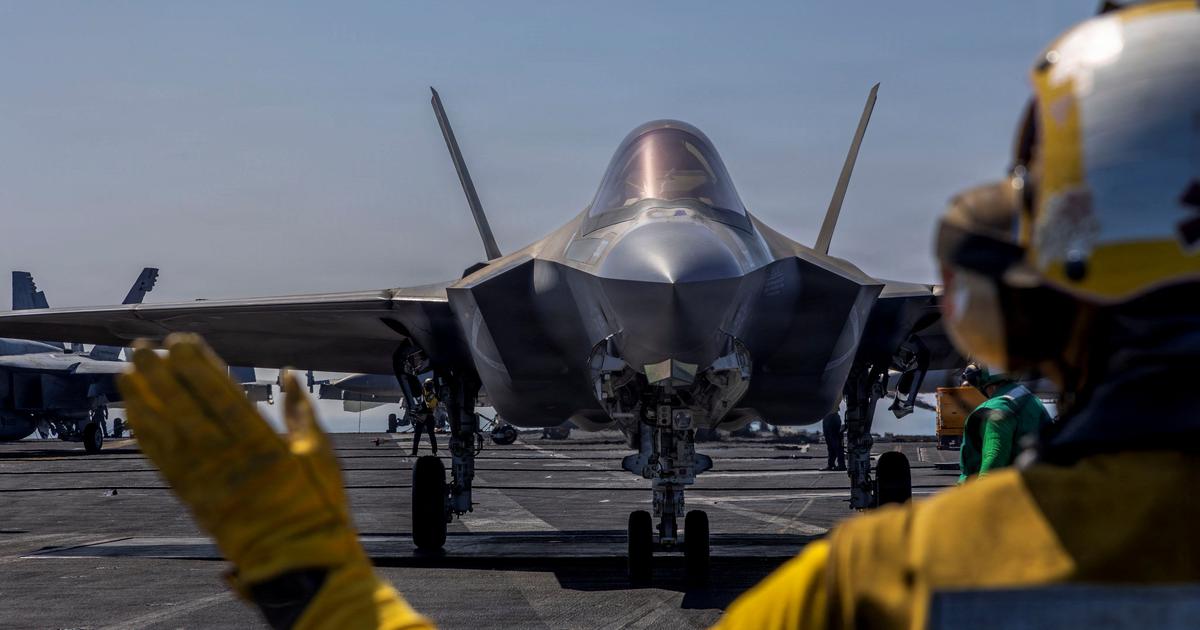
Iran's military leadership has escalated rhetoric, vowing "heavy losses" on U.S. forces in a response far beyond past "symbolic" reprisals, as reported by Vecernji List and Khaama Press. This follows U.S. deployments near Iran, detailed in Defense One's D Brief. Concurrently, Tehran accused Washington of "big lies" ahead of Geneva talks but committed to resuming negotiations for a "fair and equitable" nuclear deal, per Anadolu Agency and Times of India. These moves reflect a proactive posture: military maneuvers, including readiness drills, contrast Iran's historical reactivity, positioning it to deter aggression while keeping diplomatic channels open.
Context & Background
This mirrors a tense timeline: On Dec. 30, 2025, Iran warned of a "harsh response" to U.S. threats; Jan. 6, 2026, saw hints at strikes on Israel; Jan. 7 featured Army Chief responses to U.S.-Israel warnings; Jan. 13 brought Sen. Graham's call for Trump to back Iranian protesters; and Jan. 14 saw the UK close its Tehran embassy. Past U.S. actions—like the 2020 Soleimani strike—prompted measured Iranian retaliation. Today's bolder stance echoes those echoes but amplifies them, blending defense with offense amid Trump's reported considerations of strikes (Prensa Latina).
Why This Matters
Iran's pivot to proactive geopolitics—threats as deterrence, talks as leverage—humanizes a leadership balancing survival and ambition. Internally, economic woes and protests (AP News notes public anxiety over U.S. buildup) pressure the regime; external foes unify support, consolidating power à la "rally 'round the flag." For stakeholders, this risks miscalculation: U.S. bases vulnerable, Israel on edge, oil markets volatile (Yle reports price hikes cushioned by supply). A double-edged sword, talks could de-escalate but falter if seen as weakness, per The Week's risk analysis.
What This Means
Iran's approach indicates a strategic shift that could redefine regional dynamics. By balancing military threats with diplomatic engagement, Tehran aims to strengthen its position both domestically and internationally. This could lead to a fragile equilibrium or heightened tensions, depending on how the U.S. and its allies respond.
What People Are Saying
Social media buzzes with concern. Analyst @MiddleEastEye tweeted: "Iran's UN warning isn't bluff—post-Soleimani, they hit U.S. bases precisely. Time for diplomacy?" (12K likes). Iranian expat @PersianVoice: "Talks? While missiles point at our cities? Leadership plays chicken with lives." U.S. hawks like @SenLindseyGraham echoed past calls: "Support Iranian people over mullahs." Experts via VZ.ru question U.S. attack feasibility.
What to Watch
Iran will likely oscillate between threats and overtures, leveraging talks for sanctions relief while drills signal resolve. U.S. responses—strikes or restraint—could spark escalation; failed Geneva round risks "new phase" of proxy wars. Watch oil spikes, proxy flare-ups in Yemen/Syria, and domestic Iranian unrest shaping hardline policy.
This is a developing story and will be updated as more information becomes available.






