
Iran's Geopolitical Crossroads: The Aftermath of Khamenei's Death and Its Global Implications
The Immediate Reaction: A Nation in Turmoil
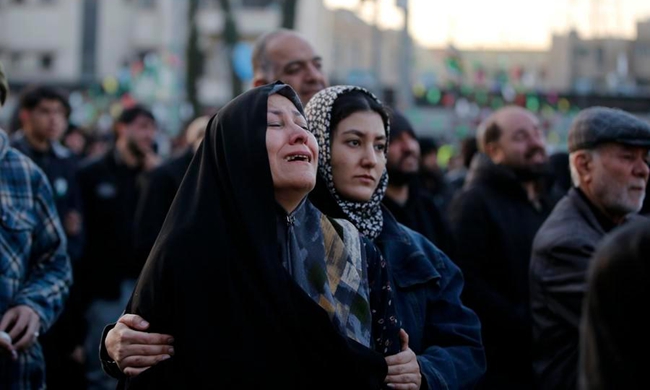
Public responses in Iran are deeply divided. Videos circulating on social media show crowds in Tehran chanting "End of oppression!"—echoing Rep. Dan Crenshaw's Newsmax comment that Iranians are celebrating "47 years of oppression" ending. Yet, Xinhua reports highlight fears of "prolonged regional chaos," with state media confirming Khamenei's killing amid U.S.-led airstrikes targeting regime leadership. Regional actors like Saudi Arabia have urged restraint, while Israel bolsters defenses. Global powers, including the UK, France, and Germany, vowed to "defend interests" per Newsmax, as Iran threatens to close the Strait of Hormuz, through which 20% of world oil flows.
The Historical Context: Lessons from the Past
This crisis builds on escalating tensions from late 2025. On Dec. 30, Iran warned of a "harsh response" to U.S. threats; by Jan. 6, 2026, it hinted at strikes on Israel, prompting Iran's Army Chief to respond to U.S.-Israel warnings on Jan. 7. Sen. Lindsey Graham urged Trump on Jan. 13 to aid protesters, amid the UK closing its Tehran embassy on Jan. 14. These events mirror past uprisings like 2009's Green Movement and 2022's Mahsa Amini protests, where regime crackdowns stifled reform. The 2025-2026 military escalations, including U.S. cyber operations to "fracture" the regime (Jerusalem Post), set the stage for Khamenei's demise, exposing vulnerabilities honed over decades of isolation.
The Geopolitical Landscape: External Pressures Mount
U.S. objectives are clear: Rep. Brian Mast (Fox News) stated the goal is to "eliminate" threats to Americans, with Sen. Markwayne Mullin calling strikes protective of U.S. interests (Newsmax). Alliances harden—Trump urged Iranians to "seize the moment," claiming commanders seek immunity (Anadolu Agency). Sen. Bill Hagerty deemed the regime at its "most vulnerable" (Newsmax). Iran's Hormuz closure threat risks oil shocks, potentially spiking prices 30-50%, per analysts. Rep. Derrick Van Orden called action "long overdue" (Newsmax), underscoring how external blows amplify internal fractures.
Looking Ahead: What This Means for Iran and the World
A unique window for reform emerges: reformist factions, dormant since the 1990s Khatami era, could leverage chaos, as cyber warfare sows dissent within ranks. Social media buzz, like tweet from @IranReformNow ("Khamenei gone—time for people's republic? #FreeIran"), suggests rising internal momentum. However, repression remains likely, per historical precedents like post-Khomeini consolidation. U.S. intervention odds rise if proxies attack, risking wider war; regional stability hinges on this. Oil markets face volatility—watch Brent crude for surges. If dissent prevails, a post-theocratic Iran could stabilize the Gulf; failure invites proxy escalations.
This is a developing story and will be updated as more information becomes available.






