Iran's Geopolitical Chessboard: Navigating Military Threats and Diplomatic Dilemmas

Latest from X
Iran's Geopolitical Chessboard: Navigating Military Threats and Diplomatic Dilemmas
Iran finds itself at a precarious juncture in early 2026, balancing bellicose rhetoric from the United States under President Donald Trump with calculated diplomatic maneuvers. This unique dynamic—shaped by decades of historical confrontations—reveals a strategy where military posturing serves as a deterrent, while understated diplomatic channels aim to avert catastrophe. Shaped by past invasions, sanctions, and proxy conflicts, Iran's approach contrasts overt threats with subtle initiatives, often overshadowed by headlines of escalation.
Current Tensions: A Snapshot of Iran's Military Posturing
Tensions between Iran and the US have spiked in January 2026, driven by Trump's warnings of potential military strikes against Iran's nuclear and ballistic missile programs. A top Iranian general escalated matters by threatening to "cut off" Trump's hand if the US intervenes, as reported by Fox News. This came amid reports of US forces moving toward the region and precautionary withdrawals of personnel from Middle Eastern bases, signaling heightened readiness on both sides.
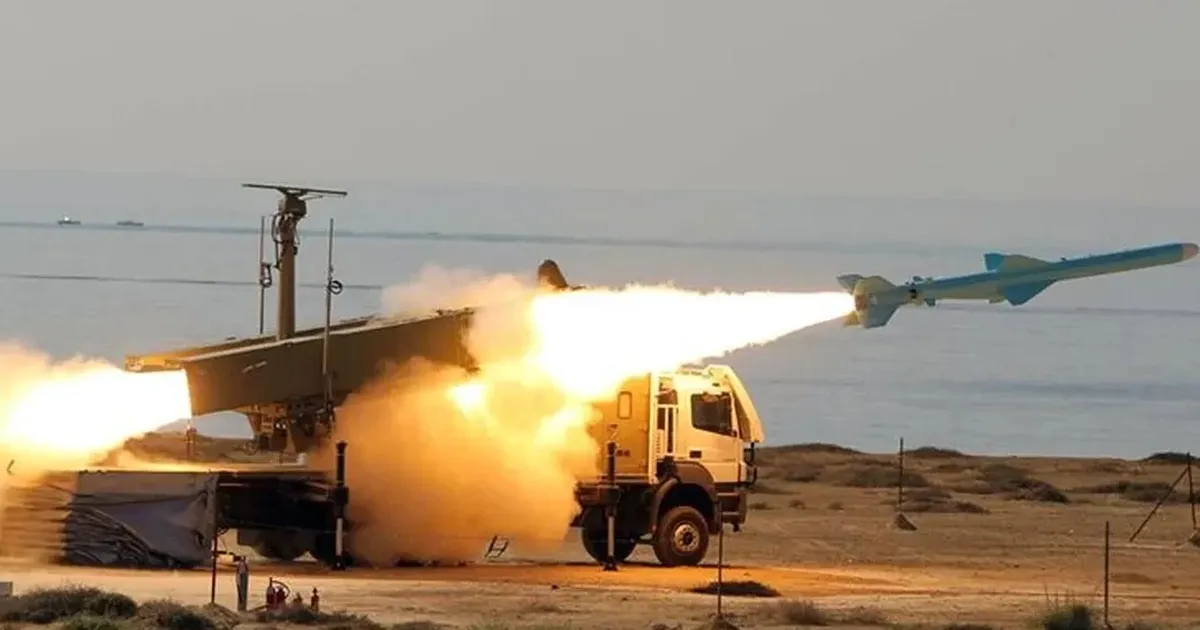
Iran's response has been multifaceted, blending defiance with preparedness. At a UN emergency meeting, Iranian officials rebuked US threats, vowing retaliation against any aggression, according to coverage from Bursahakimiyet and Internethaber. Assessments of Iran's military capabilities, such as those in the Neue Zürcher Zeitung, highlight its asymmetric strengths: a robust missile arsenal, proxy militias like Hezbollah, and fortified positions in the Strait of Hormuz. Tehran has positioned naval assets and conducted drills, underscoring its ability to disrupt Gulf shipping lanes.
Posts on X reflect public anxiety, with users citing Reuters reports of imminent US intervention—potentially within 24 hours—and Iranian retaliation pledges. Sentiment ranges from alarm over World War III risks to speculation on Netanyahu's influence, following his reported request to Trump for a strike delay.
This posturing is not impulsive; it echoes Iran's historical playbook, where shows of force buy time for diplomacy.
Historical Context: Lessons from Past Conflicts
Iran's current stance is profoundly informed by a timeline of escalating threats and responses stretching back to late 2025, revealing a pattern of learned resilience. On December 30, 2025, Iran issued stark warnings of a "harsh response" to initial US threats, setting a tone of deterrence. By January 6, 2026, amid Israel-Iran skirmishes, Tehran hinted at strikes on Israeli targets. The following day, Iran's Army Chief directly countered joint US-Israel rhetoric, reinforcing military resolve.
These events build on deeper scars: the 1980-1988 Iran-Iraq War, fueled by Western support for Saddam Hussein; the 2020 US assassination of General Qasem Soleimani, prompting restrained missile strikes on US bases; and years of "maximum pressure" sanctions. More recently, 2025 saw Iran's missile barrages against Israel in retaliation for assassinations, testing red lines without full-scale war.
This history has honed Iran's "strategic patience," as analysts term it. Past miscalculations—like Iraq's invasion—taught Tehran the perils of underestimating adversaries, leading to investments in hypersonic missiles and cyber capabilities. The January 13, 2026, call by US Senator Lindsey Graham for Trump to back Iranian protesters, coupled with the UK embassy closure in Tehran on January 14, evoked memories of color revolutions and isolation tactics. Iran's responses—firmer internal crackdowns alongside external defiance—demonstrate adaptation: military threats signal vulnerability's cost, while diplomacy exploits divisions among foes.
The Role of Diplomacy: Unveiling Hidden Strategies
Beneath the saber-rattling lies a web of diplomatic efforts that Iran's history of isolation has refined into an art of nuance. Gulf states, wary of fallout, are intensifying mediation, per Al Jazeera, urging de-escalation to protect oil routes and economies. Saudi Arabia and the UAE have quietly engaged Tehran, leveraging restored ties post-2023 China-brokered détente.
Trump's reported delay of strike plans—following consultations with allies like Netanyahu, who sought postponement per Anadolu Agency and Dunya—illustrates this leverage. UN officials expressed "alarm" over strike rhetoric, pushing for talks (Anadolu Agency). Iran's backchannels, including overtures to Europe and indirect US contacts via Oman, aim to frame aggression as destabilizing.
Social media on X underscores overlooked diplomacy: users note Netanyahu's DC visit coinciding with Trump's threats, yet highlight delays amid "regional concerns." This duality—posturing publicly, negotiating privately—stems from history. Post-Soleimani, Iran avoided escalation while advancing nuclear talks, proving diplomacy's viability amid threats.
Regional Implications: The Ripple Effect of US-Iran Relations
Escalating US-Iran friction reverberates across the Middle East, reshaping alliances. Israel, eyeing Iran's nuclear advances, pushes for action, but Gulf monarchies prioritize stability, fearing proxy wars engulfing Yemen or Iraq. Anadolu Agency reports note "allied consultations" influencing Trump's calculus, hinting at fractures in the anti-Iran axis.
Power dynamics could shift dramatically. Iran's proxies—Houthis disrupting Red Sea shipping, Hezbollah menacing Israel—amplify its reach, deterring isolated strikes. Yet, overextension risks internal unrest, as seen in 2022 protests. Neighbors like Turkey and Qatar balance condemnation of Iran with economic ties, while Europe's energy dependence favors restraint.
X discourse captures this tension: posts decry "puppet strings" linking Netanyahu, Trump, and Iranian unrest, reflecting fears of broader instability. Iran's historical navigation—from enduring sanctions to JCPOA gains—positions it to exploit divisions, potentially eroding US credibility if strikes falter.
Looking Ahead: What Lies Ahead for Iran and the Region
Forecasts hinge on diplomacy's traction versus military momentum. A delayed US strike, as Trump weighs per reports, could pivot to sanctions or cyber ops, prompting Iran to accelerate uranium enrichment—nearing breakout capacity—or activate proxies assertively. Escalation risks a "Gulf quagmire," with Hormuz disruptions spiking oil to $150/barrel.
Optimistically, Gulf-led talks might yield a fragile truce, echoing 2019's Abqaiq attack aftermath. Iran's history favors this: post-2020, it calibrated responses to avoid invasion. Internally, hardliners may consolidate via threats, stifling protests; externally, alignment with Russia and China could bolster defenses.
Key variables: Netanyahu-Trump synergy, UN pressure, and Iranian elections. Absent de-escalation, regional realignments loom—Gulf states hedging toward Tehran, Israel acting unilaterally. Iran's chessboard mastery, blending history's lessons with dual tracks, suggests survival through ambiguity, but missteps could ignite unintended war.
(Word count: 1,028)
Trending report
Why this topic is accelerating
This report format is intended to explain why attention is building around a story and which related dashboards or live feeds should be watched next.
Momentum driver
Iran
Best next step
Use the related dashboards below to keep tracking the story as it develops.
Track this story live
Live World Map
Monitor global events in real time with a live activity map and hotspot summaries.
Markets
Connect live events to Catalyst market signals across crypto, commodities, indices, and forex.
Geopolitical Risk
Live geopolitical risk index tracking conflict zones, sanctions, and global threat levels.
Original Sources
- •
- •
- •
- •
- •
- •
- •
- •
- •
- •
Editorial process: This article was synthesized from the original sources cited above using The World Now's AI editorial system, with byline accountability from our editorial team. We grade every story for source grounding, factual coherence, and on-topic match before publication. Read more about our editorial standards and contributors. Spot something inaccurate? Let us know.
Last updated: April 8, 2026






