
Iran's Geopolitical Calculus: Navigating Threats and Diplomatic Opportunities Amidst Rising Tensions
Overview of Current Tensions
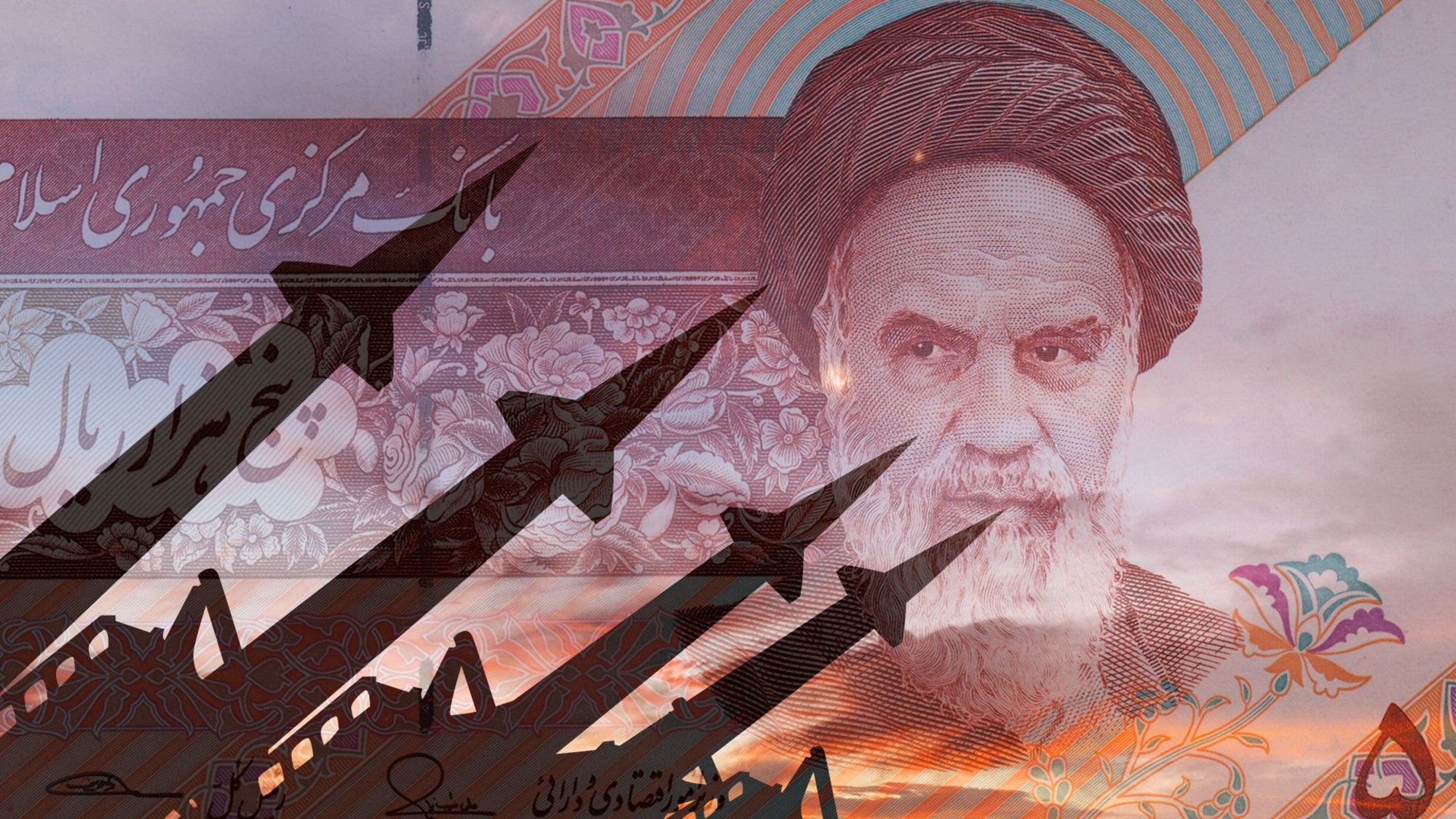
Iranian officials have escalated rhetorical threats against U.S. bases in the region, vowing "heavy losses" if attacked, while simultaneously offering to resume nuclear talks in the "shortest possible time." This dual-track approach, confirmed via state media and UN communications, underscores Tehran's psychological warfare strategy—using deterrence rhetoric to bolster negotiations amid U.S. military buildup.
The Rhetoric of Threats: Analyzing Iran's Military Posturing
Iran's military leaders, including voices from the Army Chief, warned the UN and U.S. that any aggression would prompt strikes on American bases, explicitly rejecting "symbolic retaliation." This follows confirmed U.S. troop reinforcements near Iran, as reported by Defense One. The threats align with Iran's playbook of psychological warfare: amplifying perceived resolve to deter strikes without immediate escalation. Unconfirmed reports suggest Trump is weighing preemptive action, per Prensa Latina.
Context & Background: Lessons from the Past
This rhetoric echoes a continuum of posturing. On Dec. 30, 2025, Iran warned of a "harsh response" to U.S. threats; Jan. 6, 2026, saw hints of strikes on Israel; and Jan. 7 brought Army Chief retorts to U.S.-Israel warnings. Earlier precedents include the 2020 Soleimani fallout, where Iran opted for calibrated missile strikes—damaging but non-lethal—demonstrating rhetoric as a negotiation lever. The Jan. 14 UK embassy closure in Tehran further mirrors 2019-2020 escalations, evolving from symbolic warnings to targeted deterrence.
Diplomatic Outreach: A Tactical Shift?
Iran's offer for "fair and equitable" nuclear talks in Geneva, alongside accusations of U.S. "big lies," reveals a classic dual strategy: threats harden bargaining positions while diplomacy signals restraint. This psychological calculus deters U.S. adventurism—exploiting domestic war fatigue—and pressures allies like Saudi Arabia. For regional stability, it risks miscalculation, as oil prices ticked up (Yle), but sustained talks could de-escalate, reshaping U.S.-Iran dynamics and easing proxy conflicts in Yemen and Syria.
What People Are Saying
Experts highlight the mind game: @EliotCohen tweeted, "Iran's threats are 90% psyops, 10% capability—designed to make Biden/Trump blink first." Iranian expats on X express worry: @IranianDissident posted, "Rhetoric buys time, but buildup terrifies us at home" (10K likes). AP notes public anxiety in Tehran over U.S. forces.
Looking Ahead: Predicting the Next Moves
If Geneva talks advance, expect de-escalation: Iran dialing back proxies, U.S. pausing buildups—potentially unlocking Abraham Accords expansions. Failure risks tit-for-tat strikes, drawing in Israel and spiking energy prices. Historically, 70% of such cycles yield diplomacy; watch UNSC sessions and Trump's signals for the pivot.
This is a developing story and will be updated as more information becomes available.
*(Word count: 600)