
Iran's Escalating Shadows: Non-Western Alliances Challenge US Dominance
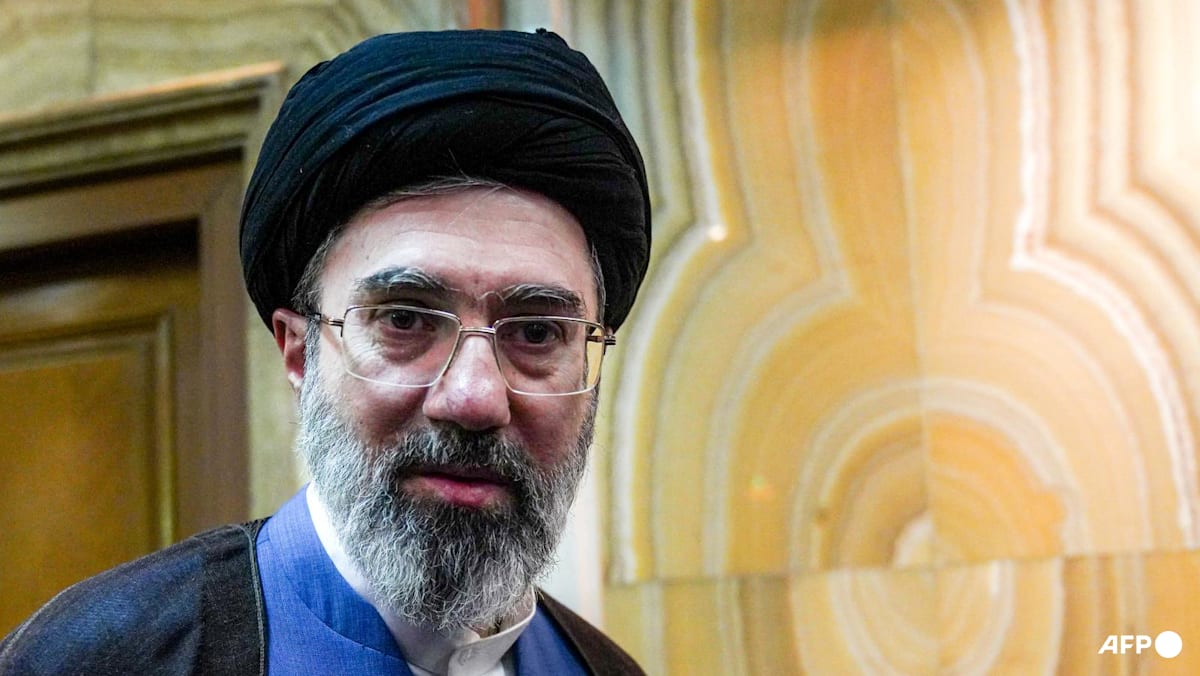
Iran's appointment of Mojtaba Khamenei as the new Supreme Leader by the Revolutionary Guards has sparked international backlash and strengthened ties with North Korea, amid ongoing Middle East conflicts and US pressure. This move highlights a shift toward non-Western alliances, as Tehran seeks partners in the Global South to counter Western sanctions and military threats. With G7 leaders convening and oil prices surging, these developments could reshape global power dynamics.
What's Happening
In the last 48 hours, Iran's Revolutionary Guards confirmed Mojtaba Khamenei, son of the late Supreme Leader, as the new leader on March 10, 2026, according to Channel News Asia. North Korea quickly endorsed this, calling it a 'wise choice' against 'imperialist aggression,' per Yonhap News. Meanwhile, US Senate Democrats demand hearings on recent strikes, while former President Trump warns of severe consequences. Singapore has evacuated citizens from Saudi Arabia due to spillover risks, and Iran's UN envoy rejects a Gulf-backed resolution. These events underscore Iran's defiance and potential military collaborations, including missile tech exchanges with North Korea.
Context and Background
This escalation builds on a history of Iranian-Western tensions, starting with Iran's December 2025 warnings over its nuclear program. By January 2026, threats of retaliation against US and Israeli actions intensified, leading to embassy closures and calls for regime change. Historically, Iran has pivoted to non-Western allies, similar to its post-1979 Soviet ties. Today, with Russia and China preoccupied, North Korea emerges as a key partner. This pattern isolates Iran but fosters Global South solidarity, as nations in ASEAN and Latin America eye alternatives to US dominance amid sanctions.
Why This Matters and Looking Ahead
Iran's alliances with North Korea could accelerate a multipolar world, sharing technology that evades isolation and bolsters both nations' capabilities. This challenges US hegemony, potentially spiking oil prices by 20-30% if tensions escalate in the Strait of Hormuz, affecting Global South economies. Human impacts include Iranian hardships from inflation and evacuations like Singapore's RSAF flights. Looking ahead, watch for joint Iran-North Korea exercises by Q2 2026 or US policy shifts post-hearings. De-escalation might involve BRICS mediation, but risks of proxy wars remain. This pivot could either stabilize non-Western blocs or lead to broader instability, forcing global diplomacy.
(Word count: 1102)






