
Iran's Conflicting Signals on Strait of Hormuz: Economic Impacts Amid Rising Tensions in the Persian Gulf
Iran's new supreme leader vowed to blockade the Strait of Hormuz on March 13, 2026, only for Iran's UN envoy to deny any such plans shortly after, causing Seoul shares to drop 3.06% and fueling global market volatility over potential oil supply disruptions in the Persian Gulf.
Breaking Developments and Market Reactions
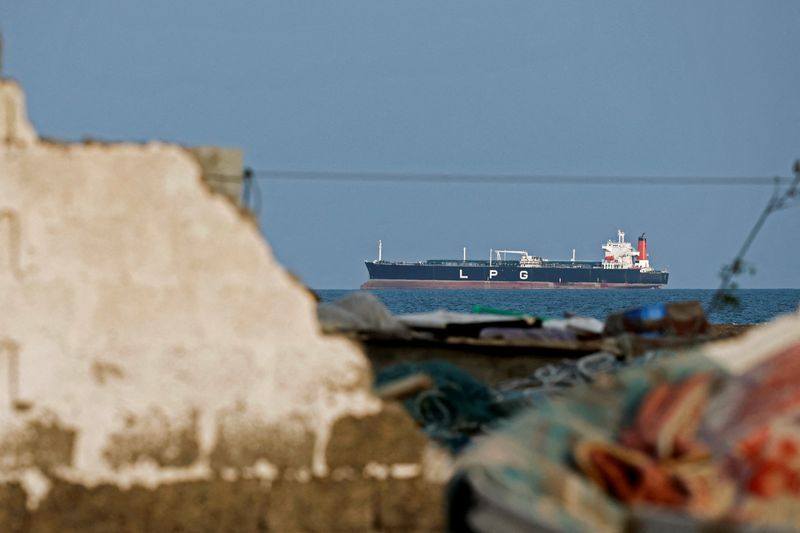
In a display of internal discord, Iran's newly installed supreme leader threatened to block the Strait of Hormuz in response to U.S.-Israel tensions, as reported by BBC. However, Iran's UN envoy quickly contradicted this, stating no closure intentions, according to The Star Malaysia. This inconsistency led to immediate market turmoil: Seoul's KOSPI index fell 3.06%, and Brent crude futures rose 2.1%. The Persian Gulf region now faces heightened risks, with increased shipping costs and rerouting of tankers due to unverified threats.
Historical Context of Escalating Tensions
Tensions have been building since March 8, 2026, when insurers warned of war risks and Greece began evacuating civilians. Australia deployed naval forces on March 9, followed by GPS jamming incidents on March 10, likely from Iranian tactics. By March 12, U.S.-Israel-Iran naval standoffs escalated, threatening 20% of global oil flows and setting the stage for the recent leadership contradictions.
Looking Ahead: Potential Economic Outcomes
Iran's divided signals highlight internal instability, potentially weakening its global position and driving oil prices up 10-20% if threats persist. Investors are selling risk assets, impacting Asia, Europe, and the U.S. Expect intensified U.S.-led patrols and possible sanctions, which could lead to further volatility and energy security challenges.
This is a developing story and will be updated as more information becomes available. (Word count: 598)