
Iran's Conflict Escalates: From Domestic Protests to Proxy Wars in the Middle East
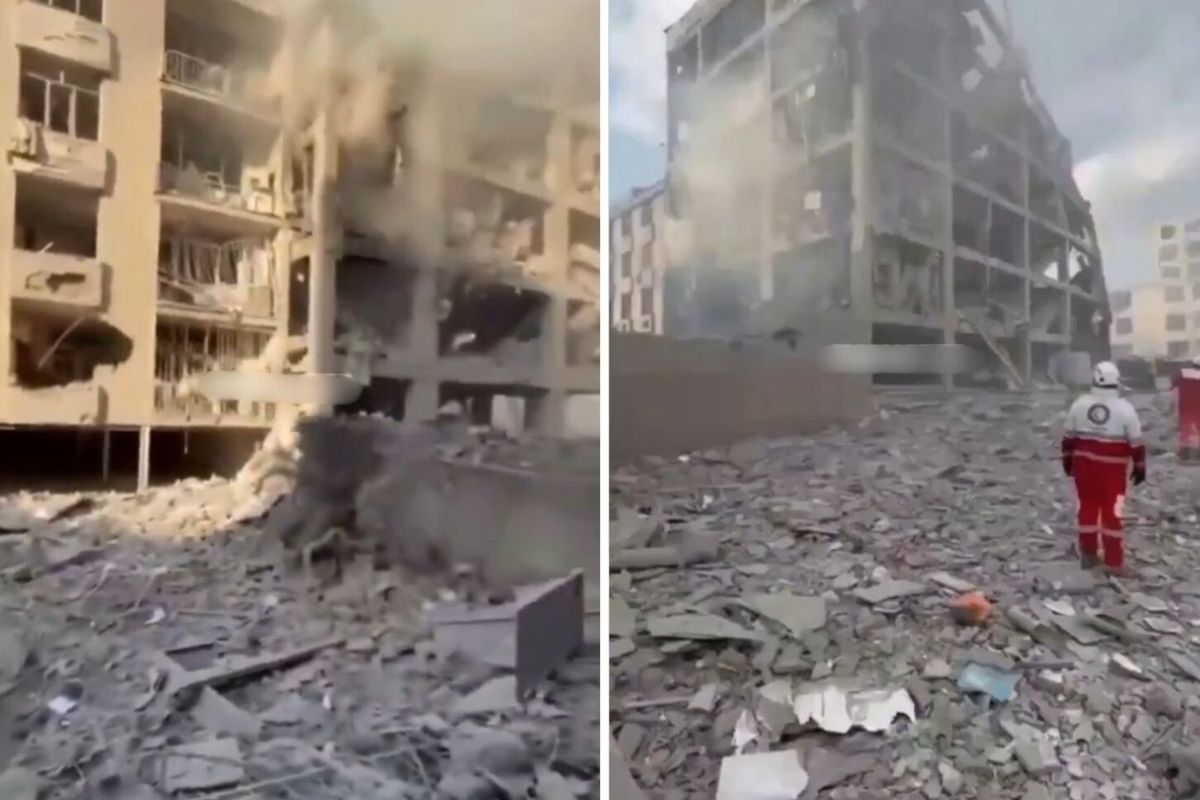
Iran has firmly rejected ceasefire talks amid ongoing military attacks, with reports confirming injuries to key leader Mojtaba Khamenei and the loss of two senior officials. This shift from internal unrest to potential regional proxy battles highlights escalating tensions involving external actors, as detailed in recent UNHCR and media updates.
What's Happening
Tehran announced on March 9, 2026, that 'no room exists for ceasefire discussions' while attacks continue, according to Iran International. Reuters, via Khaama Press, confirmed Mojtaba Khamenei's injuries in strikes, yet he remains active in his duties. A Turkish outlet reported the loss of two critical officials, while UNHCR's Emergency Flash Update #3 highlights spillover effects across the Middle East, including possible cross-border incursions. This marks a clear escalation from domestic protests to broader proxy involvement.
Context and Background
The crisis stems from a series of events: Iran's 'harsh response' threat to the US on December 30, 2025, sparked initial tensions, leading to protests on January 1, 2026, and clashes. By January 14, Kurdish groups attempted border entries, triggering a military crackdown on January 24. Warnings during pre-Geneva talks on February 25 set the stage for the current standoff. Historically, Iran's internal unrest, such as the 2019 fuel riots, has spilled into regional conflicts via proxies, but this situation shows a pattern of neighbor involvement, forming alliances against Tehran unlike previous isolated events.
Why This Matters and Looking Ahead
This evolution from street protests to proxy skirmishes is reshaping Middle East dynamics, with UNHCR reports indicating displacement and external group involvement that could strain global energy markets. Original analysis suggests past crackdowns, like the 2022 Mahsa Amini response, have radicalized proxies, potentially fragmenting Iran's alliances with groups like Hezbollah. Looking ahead, risks include broader proxy wars with Kurdish or Saudi-backed factions, drawing in US and regional powers within months, similar to 2014 ISIS escalations. Watch for oil price surges of 20-30% via Strait of Hormuz threats, new sanctions, or diplomatic interventions like renewed Geneva talks to prevent spillover.






