Iran's Civil Unrest: A New Wave of Global Solidarity and Its Implications

Latest from X
Iran's Civil Unrest: A New Wave of Global Solidarity and Its Implications
The Current State of Protests in Iran
Iran is currently engulfed in widespread civil unrest that erupted on January 1, 2026. Protests are primarily targeting Supreme Leader Ayatollah Ali Khamenei, with demonstrators demanding an end to his rule. Initially sparked by grievances over economic hardship, corruption, and repressive policies, these protests have escalated into the most significant challenge to the Islamic Republic's authority in decades. As of January 4, security forces' crackdowns have resulted in at least 16 confirmed deaths, with clashes reported in major cities such as Tehran, Isfahan, and Shiraz.
The Iranian government's response has been multifaceted, involving mass arrests, internet blackouts, and airspace closures announced on January 15 to inhibit the flow of information and foreign influence. Iranian Foreign Minister Hossein Amir-Abdollahian has stated that no executions of protesters would occur "today or tomorrow," rejecting claims of imminent death sentences amid global outcry. Tehran has dismissed allegations of widespread killings as "propaganda," while the closure of airspace to international flights signals a desire to isolate the crisis.
International attention has intensified, particularly from former U.S. President Donald Trump, who has vocally threatened "very strong action" if executions proceed. Trump claimed on January 15 to have received assurances from Tehran that killings have ceased, a development unconfirmed by Iranian officials but highlighted in live updates. Protesters in Tehran took a dramatic step on January 7 by renaming a key street after Trump, a symbolic gesture of gratitude for his past support against Iranian executions—a move that underscores the protests' global resonance. By January 9, demonstrations had grown, with reports of sustained unrest despite harsh repression.
Historical Context: The 1979 Revolution and Its Legacy
The current protests draw direct parallels to the 1979 Islamic Revolution, which toppled the U.S.-backed Shah Mohammad Reza Pahlavi amid widespread discontent over authoritarianism, economic inequality, and foreign interference. That revolution, fueled by months of street protests, strikes, and clerical mobilization under Ayatollah Ruhollah Khomeini, installed the Islamic Republic but sowed seeds of enduring grievances. Public sentiment then mirrored today's: demands for accountability, freedom from clerical rule, and economic relief.
Fast-forward to 2026, the timeline reveals a cyclical pattern. Protests ignited on January 1 against Khamenei—Khomeini's successor—echoing the anti-Shah fervor. Early foreign support on January 2 amplified voices, much like how exiled dissidents galvanized global backing in 1979. The January 4 crackdown, killing 16, recalls the Black Friday massacre of September 1978, where security forces fired on crowds, killing dozens and radicalizing the movement. Tehran's January 7 street renaming for Trump evokes revolutionary symbolism, akin to 1979 protesters adopting Khomeini's image.
These historical grievances—unfulfilled promises of justice post-1979, compounded by sanctions, inflation, and youth disillusionment—fuel the unrest. Unlike 1979's unified opposition, today's movement is decentralized, driven by women, students, and workers, but the scale of violence and protests evokes the same revolutionary chaos, as analyzed by the Associated Press.
The Role of Global Solidarity Movements
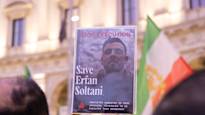
What sets this unrest apart is the unprecedented wave of global solidarity, transforming local protests into an international phenomenon. Cities worldwide—from London to Los Angeles—have seen solidarity rallies, with hashtags like #IranProtests and #StopExecutionsInIran trending on social media. Organizations such as Amnesty International and Human Rights Watch have documented abuses, urging sanctions, while the UN Security Council scheduled a briefing on January 15 to address the crisis, per France 24 live coverage.
Leaders like Trump have injected high-profile support; his threats of action and claims of assurances from Tehran highlight U.S. influence. Posts on X (formerly Twitter) reflect this sentiment, with users recalling Trump's 2020 interventions against protester executions, framing him as a defender of Iranian dissidents—though inconclusive, these amplify global pressure. European nations, including France and Germany, have condemned the crackdowns, and diaspora communities in Canada and Australia organized vigils.
Social media campaigns have been pivotal: live streams from Iran, despite blackouts, have mobilized millions, fostering a digital "people's revolution." This global network not only boosts morale but pressures Tehran diplomatically, as seen in Iran's airspace closure to stifle external narratives. The unique angle here is how this solidarity—unimaginable in 1979 without modern tech—could sustain protests by providing moral and logistical aid, from VPN circumvention tools to funding exile media.
Looking Ahead: What This Means for Iran and the World
As global solidarity swells, Iran faces mounting pressure. Domestically, continued protests could force concessions, such as releasing detainees or easing internet curbs, but escalation risks a 1979-style tipping point: mass defections in the security forces or elite infighting. Government responses may harden—more executions despite denials, or targeted assassinations abroad—prompting U.S. "strong action," potentially sanctions or covert support.
Regionally, instability threatens: allies like Hezbollah may divert resources, while rivals like Saudi Arabia exploit divisions. If protests persist beyond January, economic collapse from strikes could compel negotiations. Optimistically, international isolation might yield reforms; pessimistically, a brutal crackdown could spark refugee crises or proxy conflicts. UNSC involvement signals potential resolutions, but veto powers (Russia, China) may shield Tehran. Overall, growing solidarity increases the odds of policy shifts, though at the risk of intensified repression.
Conclusion: The Intersection of Local and Global Movements
The fusion of Iran's local unrest with global solidarity marks a pivotal moment, potentially reshaping the Islamic Republic. Protesters renaming streets for Trump symbolize how international voices embolden the streets, echoing 1979 but amplified by digital globalization. This could herald a new framework for worldwide support in authoritarian challenges—from Hong Kong to Belarus—where social media and leaders like Trump bridge divides.
Ultimately, the implications are profound: success might democratize Iran, stabilizing the region; failure could entrench repression, inspiring copycat movements elsewhere. As the UNSC convenes and Trump looms, the world watches whether solidarity translates to change or tragedy.
(Word count: 1,112)
This is a developing story and will be updated as more information becomes available.
Track this story live
Original Sources
- •
- •
- •
- •
- •
Editorial process: This article was synthesized from the original sources cited above using The World Now's AI editorial system, with byline accountability from our editorial team. We grade every story for source grounding, factual coherence, and on-topic match before publication. Read more about our editorial standards and contributors. Spot something inaccurate? Let us know.
Last updated: March 4, 2026






