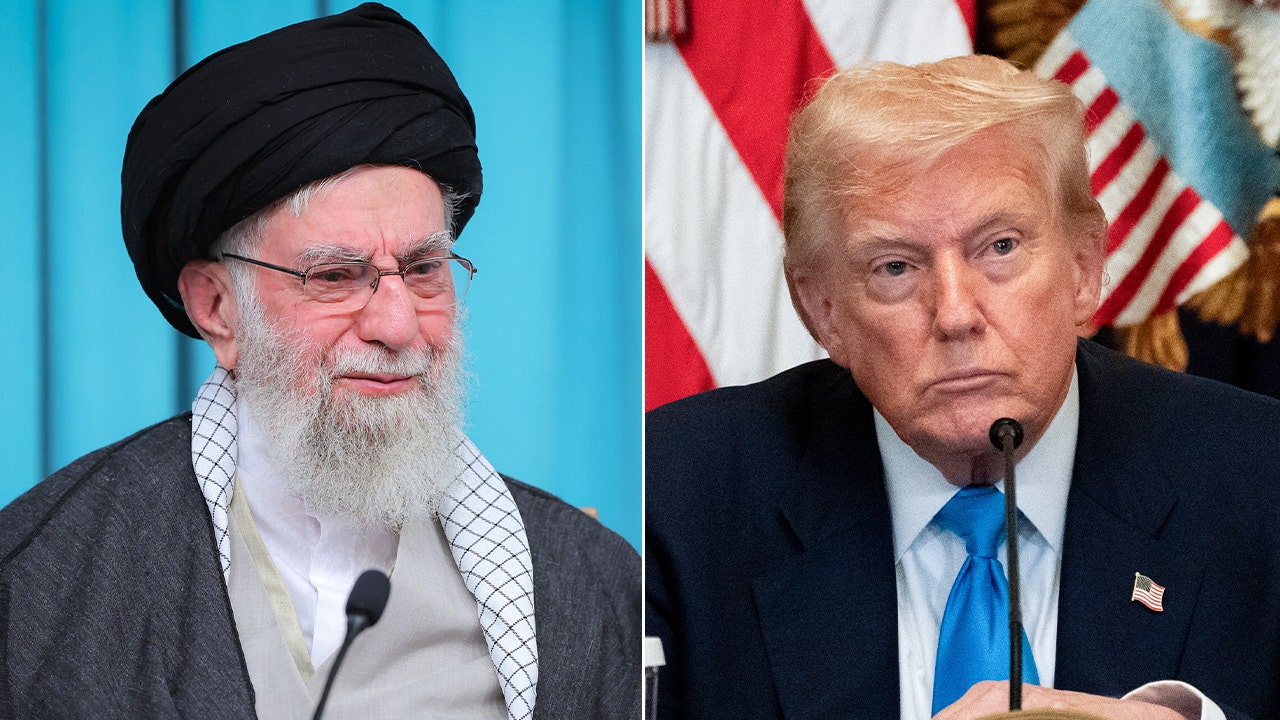

Iran's Brinkmanship: The Revolutionary Guard's Warning Amid Escalating US Military Presence
Rhetoric of Readiness: Iran's Revolutionary Guard Takes Center Stage
The IRGC's declaration, confirmed across multiple outlets including AP News and Fox News, positions the elite force as Iran's frontline defender. Commander Hossein Salami's words—"We have our finger on the trigger"—are not mere bluster but a calculated psychological tool. Historically, IRGC rhetoric has rallied hardliners and intimidated foes, as seen in 2019-2020 tanker crises where similar warnings deterred escalation. Here, it projects resolve while masking internal vulnerabilities, boosting regime legitimacy amid economic woes.
Historical Echoes: The US-Iran Tensions Through Time
This standoff mirrors a pattern rooted in the 1979 Revolution but intensified post-2025. On December 30, 2025, Iran warned of a "harsh response" to US threats; by January 6, 2026, it hinted at strikes on Israel, followed by Army Chief warnings on January 7. US Senator Lindsey Graham's January 13 call for aiding Iranian protesters and the UK's January 14 embassy closure in Tehran escalated diplomacy's collapse. Today's US "armada"—echoing 2020's carrier deployments—forces Iran to reprise "maximum resistance" tactics, blending deterrence with proxy activations via Hezbollah and Houthis.
Domestic Implications: How External Threats Bolster Internal Cohesion
Iran's leadership excels at leveraging foreign perils for unity. External US threats suppress dissent, as in 2020's Soleimani assassination aftermath, when protests waned amid "rally 'round the flag" effects. Anadolu Agency reports Iran as "more prepared than ever," framing the buildup as existential, quelling reformist voices. Social media reflects this: Analyst @IranObserver0 tweeted, "IRGC threats = regime survival mode. Protests quieted overnight," while @MEMRIReports noted, "Tehran's playbook: Enemy at gates = power consolidated" (Jan 26, 2026). This bolsters Supreme Leader Khamenei's grip, delaying reforms.
What Lies Ahead: Potential Outcomes of the Current Standoff
Without diplomacy, escalation looms: limited US strikes on IRGC assets, per Jerusalem Post analysis, could provoke asymmetric retaliation via proxies, shifting Gulf alliances toward Saudi-Israel pacts. Regional players like Israel may preempt, while Gulf states bolster US bases. Absent intervention, broader conflict risks engulfing Yemen and Syria. Watch for UN mediation or Trump's "limited strikes" signals; de-escalation via Oman backchannels remains viable but fading.
Looking Ahead: The Path to Resolution
The current standoff presents a precarious situation for both Iran and the US. A diplomatic resolution is essential to avoid further escalation. The potential for military action looms large, but the consequences could be dire for regional stability. Stakeholders must prioritize dialogue to navigate these turbulent waters and seek a peaceful resolution.
This is a developing story and will be updated as more information becomes available.
(Word count: 600)






