
Iranian Protests Escalate into 12th Day with Police Death, Kurdish Strike Call, and Symbolic Trump Tribute
Tehran, Iran – Nationwide protests in Iran over soaring living costs have stretched into their 12th consecutive day, marked by the fatal stabbing of a police officer near the capital and a bold gesture by demonstrators who renamed a Tehran street after U.S. President Donald Trump. Kurdish opposition groups from neighboring Iraq have amplified the unrest by urging a general strike, signaling potential for broader regional involvement.
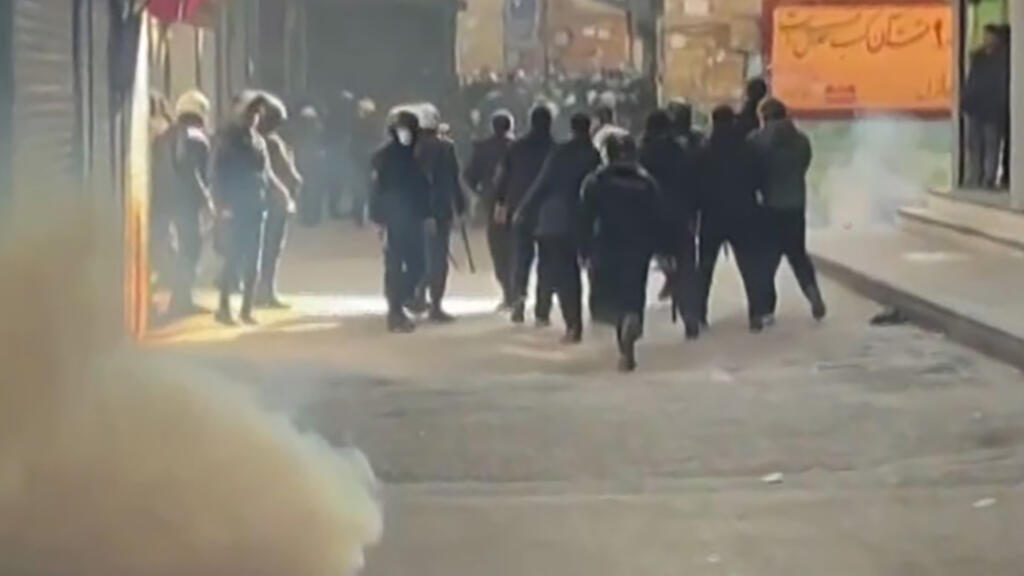
The demonstrations, which began intensifying in late December 2025, center on widespread frustration with hyperinflation, unemployment, and subsidy cuts that have eroded purchasing power for millions of Iranians. On Thursday, local media reported that a police officer was killed in a stabbing incident during clashes near Tehran, highlighting the growing volatility. Protesters have clashed with security forces in multiple cities, with reports of tear gas deployment and arrests, though official casualty figures remain unconfirmed by state media.
In a striking act of defiance reported on Wednesday, January 7, demonstrators in Tehran renamed a prominent street after President Trump. Banners and signs erected by the protesters invoked Trump's name, calling for his "protection" amid circulating warnings of potential U.S. intervention should the Iranian government harm demonstrators further. This symbolic renaming underscores a segment of the protest movement's appeal to external powers, reflecting desperation amid domestic crackdowns. The gesture coincides with Trump's recent public statements criticizing the Iranian regime and reiterating U.S. commitments to support democratic aspirations in the region.
Several Kurdish opposition parties based in Iraq, including groups like the Kurdistan Democratic Party and Patriotic Union of Kurdistan affiliates, issued a joint call for a general strike in solidarity with the Iranian protesters. The appeal, disseminated via social media and statements from Iraqi Kurdistan, urges Kurdish communities inside Iran—estimated at 10 million people—to join the action. Iran's Kurdish regions, including provinces like West Azerbaijan and Kurdistan, have seen parallel protests, fueled by long-standing grievances over cultural suppression, economic marginalization, and political exclusion.
Escalating Tensions and Security Response
Security forces have maintained a heavy presence, with state television broadcasting images of orderly rallies in support of the government. Iran's Interior Ministry has described the protests as "riots instigated by foreign enemies," vowing swift action against "disrupters." Internet restrictions have been imposed in affected areas, a tactic reminiscent of previous unrest, limiting real-time information flow.
The death of the police officer, attributed to a protester in preliminary reports, has drawn sharp condemnation from Iranian officials. Pro-government outlets framed it as evidence of escalating violence, while human rights groups, including Amnesty International, have called for investigations into excessive force by authorities. No independent verification of the incident has been possible due to restricted access for journalists.
Historical Context of Iranian Unrest
Iran's protest movements have deep roots in economic malaise exacerbated by international sanctions, particularly those reimposed during Trump's first term and maintained under subsequent administrations. The 2019 fuel price hikes sparked nationwide demonstrations, resulting in over 300 deaths according to Reuters investigations. More recently, the 2022 protests following the death of Mahsa Amini in morality police custody evolved into a broader challenge against the Islamic Republic, spreading to Kurdish and Baloch areas with demands for regime change.
Current economic indicators paint a dire picture: Iran's annual inflation rate hovered above 40% in 2025, per the Statistical Centre of Iran, with the rial depreciating sharply against the dollar. U.S. sanctions targeting oil exports have crippled revenue, while domestic policies like subsidy reforms have triggered price surges in staples like bread and fuel. Kurdish regions, rich in resources but underdeveloped, bear disproportionate burdens, fostering separatist sentiments historically countered by military operations.
The involvement of Iraqi-based Kurdish groups adds a cross-border dimension. Iraq's Kurdistan Region has long served as a base for Iranian Kurdish exiles, and past protests have seen solidarity actions spilling over. Tehran has accused external actors, including Israel and the U.S., of fomenting discord—a narrative echoed in official statements this week.
Outlook Amid Uncertainty
As protests persist, the government's response will be pivotal. A general strike, if heeded, could paralyze key sectors like transportation and energy, amplifying pressure on President Ebrahim Raisi's administration. International observers, including the UN Human Rights Council, have urged restraint and dialogue.
The Trump street renaming, while symbolic, highlights fractures within the movement: mainstream demands focus on economic relief, but fringes seek foreign intervention. With U.S.-Iran tensions already high over nuclear issues and proxy conflicts in the Middle East, any escalation risks drawing global powers deeper.
No immediate resolution appears in sight, as winter weather and holiday lulls give way to potential spring mobilizations. Iranian state media reported over 500 arrests nationwide by Thursday, but protest organizers vow to continue until demands for price controls and transparency are met.
(Word count: 712)






