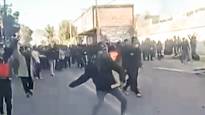

Iranian Protests Escalate Despite Internet Blackout as Western Nations Urge Leadership to Avoid Bloodshed
Tehran, Iran – Protests across Iran have intensified and spread to additional cities despite a government-imposed internet blackout, marking a significant escalation in public unrest that began on January 9, 2026. Major European countries, along with Canada and Australia, have issued urgent appeals to Iranian authorities calling for restraint to prevent further violence.
The demonstrations, which erupted late Friday in various parts of the country, have continued to grow in scale and geographic reach into Saturday, according to reports from international observers. Iranian authorities have responded by severing internet access nationwide, a tactic frequently employed in past episodes of civil unrest to limit coordination among protesters and information flow to the outside world. Nevertheless, the protests persist, underscoring widespread public dissatisfaction amid ongoing economic hardships, political repression, and social restrictions.
The timeline of events traces back to the initial outbreaks on January 9 at approximately 7:48 GMT, with gatherings reported in Tehran and other urban centers. By January 10, the unrest had expanded, drawing participants from diverse socioeconomic backgrounds. Security forces have been deployed in key areas, but details on clashes or arrests remain limited due to the communication blackout and state-controlled media restrictions.
International Calls for De-escalation
In a coordinated diplomatic response, foreign ministers from several Western nations voiced concerns over the deteriorating situation. The appeal, highlighted in Finnish public broadcaster Yle News, emphasizes the need for Iranian leaders to exercise maximum restraint and avoid bloodshed. "European powers, Canada, and Australia are appealing to Iran's leadership to prevent bloodshed," the report states, reflecting a unified stance against potential crackdowns.
This intervention aligns with broader international patterns of response to Iranian unrest. Similar appeals were made during the 2022 nationwide protests sparked by the death of Mahsa Amini in custody, which led to hundreds of deaths and thousands of arrests according to human rights organizations. The current appeals come at a time of heightened global scrutiny on Iran's domestic policies, including its nuclear program and regional proxy activities, though no direct linkage has been established with the protests' origins.
Historical Context of Unrest in Iran
Iran has a long history of civil protests challenging the authority of the Islamic Republic, established following the 1979 revolution. Key episodes include:
- 2009 Green Movement: Sparked by disputed presidential election results, millions took to the streets demanding reform, met with severe crackdowns resulting in dozens of deaths and mass detentions.
- 2019 Fuel Price Protests: Economic grievances over subsidy cuts led to widespread demonstrations, prompting the government to impose an internet shutdown for over a week. Official figures reported over 200 deaths, while Amnesty International estimated up to 1,500.
- 2022 "Woman, Life, Freedom" Uprising: Triggered by Amini's death, protests lasted months, spreading to over 200 cities and towns. Internet restrictions were again central to the regime's response, with access intermittently blocked.
These events illustrate a recurring strategy by the Iranian government under Supreme Leader Ayatollah Ali Khamenei: using digital blackouts to isolate protesters and control narratives. The current internet shutdown, initiated shortly after protests began, mirrors this playbook. Iran's internet infrastructure, dominated by state entities like the Telecommunication Company of Iran, allows for swift nationwide disruptions.
Economically, Iran faces persistent challenges including high inflation exceeding 40% annually, youth unemployment around 25%, and sanctions imposed by the United States and European Union over its nuclear activities and human rights record. President Masoud Pezeshkian, a relative reformist elected in 2024, has promised economic relief and social easing but has struggled against hardline elements within the regime.
Security Measures and Limited Information Flow
Iranian state media has provided minimal coverage, framing the protests as isolated incidents instigated by foreign agents—a narrative consistent with past responses. Independent verification is hampered by the blackout, which affects platforms like Instagram, WhatsApp, and Telegram, popular among Iranians for organizing. VPN usage has surged, but authorities have intensified jamming efforts.
Human rights groups, including Amnesty International and Human Rights Watch, have called for international monitoring and urged restraint from security forces, particularly the Islamic Revolutionary Guard Corps (IRGC), known for its role in suppressing dissent.
Outlook Amid Heightened Tensions
As of January 10, the protests' severity has been classified as high by global event-tracking platforms, with potential for further expansion if economic or political triggers persist. The international appeals may pressure Tehran diplomatically, especially as Iran navigates relations with the West amid stalled nuclear talks.
Whether the unrest will fizzle under suppression or evolve into a broader movement remains uncertain. Historical precedents suggest risks of prolonged confrontation, but public fatigue and harsh winter conditions could temper momentum. Global attention will likely intensify if violence escalates, potentially influencing UN discussions or further sanctions.
The situation underscores Iran's volatile domestic landscape, where demands for change continue to clash with theocratic governance. For now, all eyes remain on Tehran as protesters defy digital isolation to voice their grievances.
(Word count: 712)






