Iran War Terminated as 60-Day Deadline Arrives, US Officials Confirm
The war Iran hostilities have reached their conclusion, with US officials stating that the conflict has been terminated precisely as the 60-day deadline arrived.[1][3] This announcement comes amid reports of substantial disruptions caused by the war Iran engagement, including risks to global food supplies, escalated humanitarian aid costs, and massive financial expenditures nearing $50 billion for the US and Israel.[2][4][5] The termination signals a potential shift in regional dynamics, though the lingering effects of the war Iran continue to reverberate across multiple sectors, from agriculture to refugee support.
Termination of the Iran War
US officials have formally declared the end of the war Iran involvement, emphasizing that the conflict concluded in line with established timelines.[1][3] According to reports, former President Donald Trump directly informed lawmakers that the war against Iran has "terminated" as the 60-day deadline arrived, providing a clear marker for the cessation of hostilities.[1] This statement underscores the structured nature of the military engagement, which was bound by a specific timeframe, allowing for a definitive close rather than an open-ended prolongation.
The announcement highlights the precision of the deadline's enforcement, with US sources confirming the war's termination.[3] Such declarations from high-level officials serve to notify both domestic and international stakeholders of the operational wind-down, potentially paving the way for diplomatic follow-ups or reconstruction efforts in affected areas. The war Iran, which drew significant US involvement alongside Israel, had previously imposed various strains on global systems, but its official end as per the deadline offers a baseline for assessing post-conflict recovery.[1][3]
Details from the communications to lawmakers reveal a straightforward acknowledgment of the termination, repeated for emphasis in official briefings.[1] This repetition ensures clarity amid what may have been complex negotiations or battlefield developments leading up to the deadline. The US position, as articulated, positions the war Iran closure as a completed chapter, with no indications of extensions or escalations beyond the 60 days.[3]
Official Statements from US Leaders
Trump's direct address to lawmakers forms a cornerstone of the confirmation process, where he explicitly stated that the war against Iran has "terminated" upon the arrival of the 60-day deadline.[1] This personal involvement from a key political figure lends weight to the announcement, signaling alignment across US leadership on the status of the conflict. The phrasing used—"terminated"—conveys finality, distinguishing it from pauses or truces that might allow for resumption.
Complementing this, broader US official statements affirm that the Iran war was already "terminated" even before the deadline fully elapsed, according to reports.[3] This pre-deadline resolution suggests operational successes or strategic decisions that accelerated the endgame, avoiding any overrun of the allotted period. Such proactive closure by US entities reflects a commitment to timeline adherence, which could influence future military planning and budgetary allocations.[1][3]
These statements collectively paint a picture of coordinated US messaging on the war Iran conclusion, minimizing ambiguity for policymakers and the public.[1][3] By citing the deadline explicitly, officials anchor the termination in a verifiable framework, facilitating accountability and transition planning.

US and Israel incur nearly $50 billion in costs from war with Iran. — Source: khaamapress
Impact on Global Food Security
The war Iran has triggered a critical shortage of fertiliser, posing severe threats to global agriculture, as highlighted by the executive of a major fertiliser company.[2] Yara's boss has warned that this disruption could lead to reduced crop yields worldwide, directly endangering billions of meals.[2] The conflict's interference with supply chains has created bottlenecks in fertiliser production and distribution, amplifying vulnerabilities in food production systems dependent on these inputs.
This fertiliser scarcity, attributed squarely to the Iran war, risks not only lower outputs from farmlands but also upward pressure on food prices, exacerbating affordability issues for consumers globally.[2] The executive's assessment underscores the interconnectedness of geopolitical conflicts and agricultural stability, where disruptions in one region cascade into widespread nutritional risks. Billions of meals hanging in the balance represent a stark quantification of the human stakes involved, drawn from expert analysis within the fertiliser sector.[2]
Risks to Crop Yields from Fertiliser Shortage
Delving deeper into the mechanics, the shortage stems from the Iran war's impact on key production hubs and logistics, potentially slashing crop yields across major growing regions.[2] Yara's leadership has explicitly linked the conflict to these shortages, predicting that diminished fertiliser availability will hinder plant growth and harvest volumes.[2] This could translate into measurable deficits in staple crops, with the ripple effects threatening food security for populations reliant on imported yields.
The boss of Yara emphasized that higher prices would follow reduced supplies, compounding the billions of meals at risk—a figure that encapsulates the scale of potential loss.[2] Such warnings from industry insiders provide a grounded perspective on how the war Iran indirectly undermines global sustenance, urging attention to supply chain resilience even as the conflict terminates.[2] The analysis remains tied to observable disruptions, offering a cautionary note on the war's agricultural legacy.
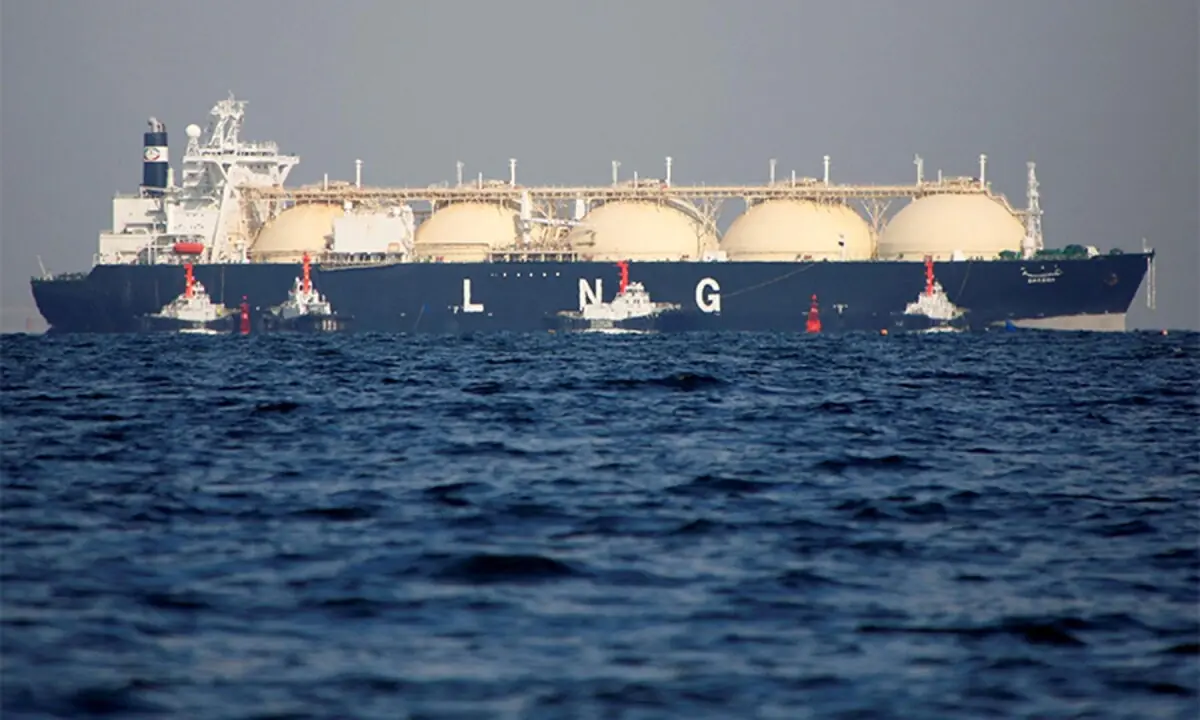
A chart shows US natural gas surplus amid global scramble due to war disruptions. — Source: dawn
Effects on Humanitarian Aid
The Iran war has severely hampered humanitarian efforts, particularly through disruptions to shipping that have more than doubled the costs of aid deliveries to war-torn Sudan.[4] UN warnings highlight how these elevated transport expenses and delays are impeding support for refugees, stretching already thin resources in crisis zones.[4] The conflict's interference with maritime routes has created logistical nightmares, forcing aid organizations to reroute or absorb skyrocketing fees.
In Sudan, where needs are acute due to ongoing internal strife, the Iran war's shipping disruptions mean slower arrivals of essential supplies, directly affecting refugee welfare.[4] Costs soaring beyond previous levels—more than doubled—strain donor funding and operational capacities, as noted by UN assessments.[4] This escalation underscores the war's collateral damage on non-combatants, with delays risking lives dependent on timely interventions.
Financial Costs of the Conflict
The US-Israel war on Iran has amassed costs nearing $50 billion, according to reports citing US officials and media analyses.[5] This figure represents a sharp escalation from initial estimates, reflecting the multifaceted expenses of military operations, logistics, and regional engagements.[5] New estimates detail the growing financial burden, positioning the conflict as a significant economic drain on the involved parties.
US media, drawing from official sources, report that the total outlay for the US-Israel involvement against Iran has reached nearly $50 billion, marking a substantial commitment of public funds.[5] The updated calculations highlight both direct warfare costs and broader regional impacts, providing a comprehensive tally of the war Iran's fiscal toll.[5] This near-$50 billion benchmark serves as a critical metric for evaluating the conflict's sustainability and post-termination accounting.
What to watch next: Monitor official updates on the full financial accounting of the nearly $50 billion costs, ongoing fertiliser supply recovery to avert crop yield losses, and stabilised shipping routes for Sudan aid as the Iran war effects dissipate.[2][4][5]