
Iran War Ends with Immediate Termination of Military Operations under Pakistan-brokered Deal
Reporting based primarily on dawn.com.
The Iran war has reached a conclusion after three and a half months of conflict, as a new deal provides for the immediate and permanent termination of military operations between the US-Israel and Iran. [1] The agreement is scheduled to be signed in Geneva on Friday under Pakistan’s mediation. [1]
Announcement of Ceasefire Deal
Prime Minister Shehbaz Sharif announced the deal on Monday. [1] The announcement described an “immediate and permanent termination of military operations” on all fronts, including Lebanon. [1] US President Donald Trump followed up shortly with congratulations to all. [1] Confirmation of the deal was also received from Tehran. [1] This sequence of statements established the breaking news of the permanent termination of hostilities after an acrimonious temporary ceasefire. [1]
Impact of the War on Global Trade
The Iran war affected regions far beyond the Gulf. [1] Iran blocked the critical Strait of Hormuz during the conflict. [1] The United States enforced a naval blockade of Iranian ports. [1] These actions disrupted global commerce over the course of the three and a half months of fighting. [1] Both obstacles will now be removed once the deal is signed. [1] The removal is expected to ease pressures on international trade routes that had been strained by the naval measures. [1]
Pakistan's Diplomatic Role
Pakistan played a key diplomatic role throughout the Iran war period. [1] The country hosted US-Iranian talks in Islamabad in April. [1] Pakistan also engaged in hectic diplomacy to ensure the earlier ceasefire did not collapse. [1] Prime Minister Shehbaz Sharif highlighted that the new agreement would be signed under Pakistan’s aegis. [1] This critical role has been recognised by the UN secretary general and nations around the world. [1] International praise also extended to the efforts of Qatar, Egypt, and Saudi Arabia in securing the US-Iran peace. [1]
Reactions from Key Parties
The vast majority of nations expressed relief at the outcome of the Iran war, given its impact on the global economy. [1] In contrast, there is great bitterness in Tel Aviv. [1] Israel had played a key role in convincing Donald Trump to attack Iran. [1] The Zionist state is dissatisfied because the Islamic Republic survived the joint Israeli-American onslaught. [1] The peace deal reportedly stipulates an end to Tel Aviv’s brutal attacks on Lebanon. [1] This mix of international relief and Israeli dissatisfaction highlights differing views on the termination of hostilities. [1]
Qaani's Reappearance and Assessment
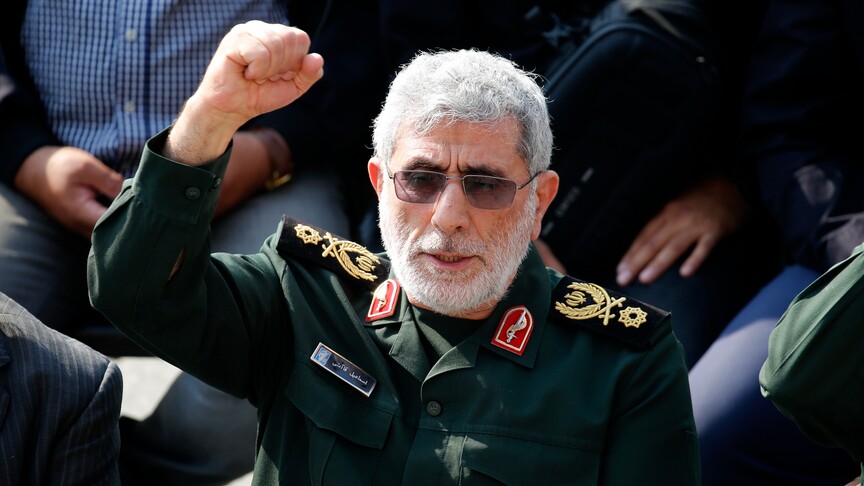
Iran’s Quds Force commander Qaani made his first public remarks since the war began on Feb. 28. [2] Qaani stated that the ‘axis of resistance’ emerged stronger during the war. [2] His reappearance marked the first time the commander had spoken publicly since the outbreak of the conflict. [2] The remarks came as the deal for termination of military operations was being confirmed by multiple parties. [1]
Prospects for Lasting Peace
The deal is an MoU that allows all belligerents to silence their guns and work toward a long-term arrangement. [1] It is not an elaborate formula for enduring peace. [1] The Obama-era JCPOA took around 20 months to negotiate, so no one should expect a quick resolution within days or even weeks of the signing in Geneva. [1] What is important is that both sides talk and cease all hostilities. [1] The US must give genuine sanctions relief to Tehran to gain the Iranians’ confidence. [1] Considerable mistrust toward team Trump exists within the establishment in Iran after the torpedoing of the JCPOA and the launch of two attacks on Iran. [1] These obstacles can be overcome if the two sides approach each other with respect and sincerity and if Israel is kept in check by Washington. [1]
What to watch next is whether both sides maintain the cessation of hostilities after the Geneva signing and whether sanctions relief materializes to build trust.