
Iran War Resumes as US Launches Airstrikes on Military Sites After Ship Attacks
The Iran war resumed when the United States conducted multiple waves of airstrikes on Iranian military and infrastructure targets in response to Iran attacking three commercial ships with missiles in the Strait of Hormuz, violating a recently signed ceasefire agreement.
Renewed US Strikes on Iran
The US strikes targeted Iranian air defense systems, coastal radars, drone and missile launch sites, and port facilities, according to CENTCOM. [1] The American military described the Iranian attacks on commercial vessels as unjustified and dangerous, stating that they clearly violated the ceasefire. [1] This marked the first US military action since the two countries carried out mutual attacks on each other in early June. [1] The US had withdrawn temporary sanctions relief allowing Iran to export oil prior to the strikes. [1] Iranian reports indicate strikes hit near Sirik city, Bandar Abbas fishing ports, and a pier, with several ships catching fire and some injuries reported but no confirmed civilian deaths. [1]
Iranian Ship Attacks in the Strait of Hormuz
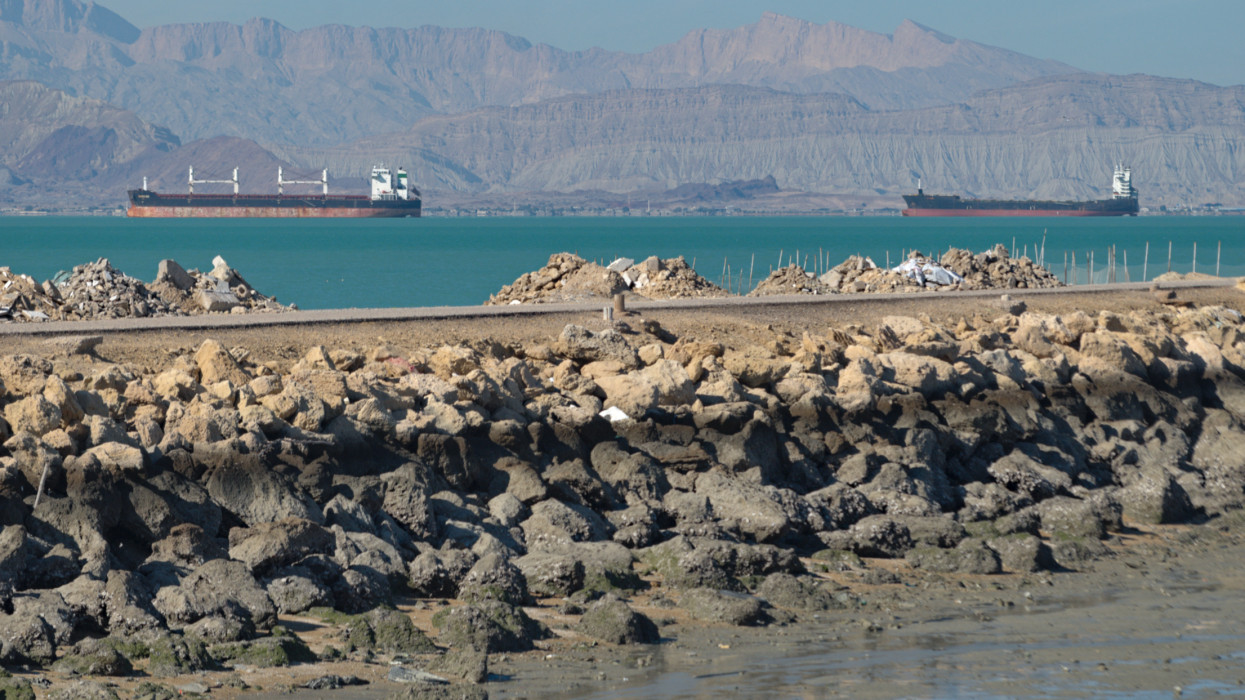
The triggering incident involved Iran firing missiles at three commercial ships in the Strait of Hormuz. [1] A Qatari tanker named Al-Raqayat attempted to pass through the strait via an Omani route with US naval support but came under attack after repeated warnings, and another vessel was struck under similar circumstances. [3] The US Central Command viewed these actions as a clear breach of the ceasefire agreement reached weeks earlier to end the conflict. [1] Axios reported that the United States prepared strikes on Iranian targets in response to the attacks on the commercial vessels. [3]

Crowds in Najaf, Iraq, participate in the funeral procession for Iran's slain supreme leader Khamenei. — Source: middleeasteye
Dispute Over Hormuz Shipping Memorandum
Disagreements over interpretation of the memorandum on Strait of Hormuz shipping rights triggered the escalation. [3] The United States demanded full open passage and a return to the situation before February 28, while Iran insisted on continued control, issuing permits and setting corridors for vessels. [3] Specialist Kirill Semenov explained that the United States considers Iran still blocking the strait and hindering ship movement, whereas Iran maintains it will regulate passage itself. [3] This key point of contention prevented agreement and led to continued mutual strikes. [3]
Iranian Reaction and Threats of Retaliation
Iran condemned the strikes as betrayal and a severe violation of the peace deal. [1] Tehran accused Washington of treachery and breaking the ceasefire agreement. [1] Iranian Foreign Ministry officials and Deputy Foreign Minister Kazem Gharibabadi promised a firm response, stating that the country would take every decisive and necessary step to protect national interests and security. [1]
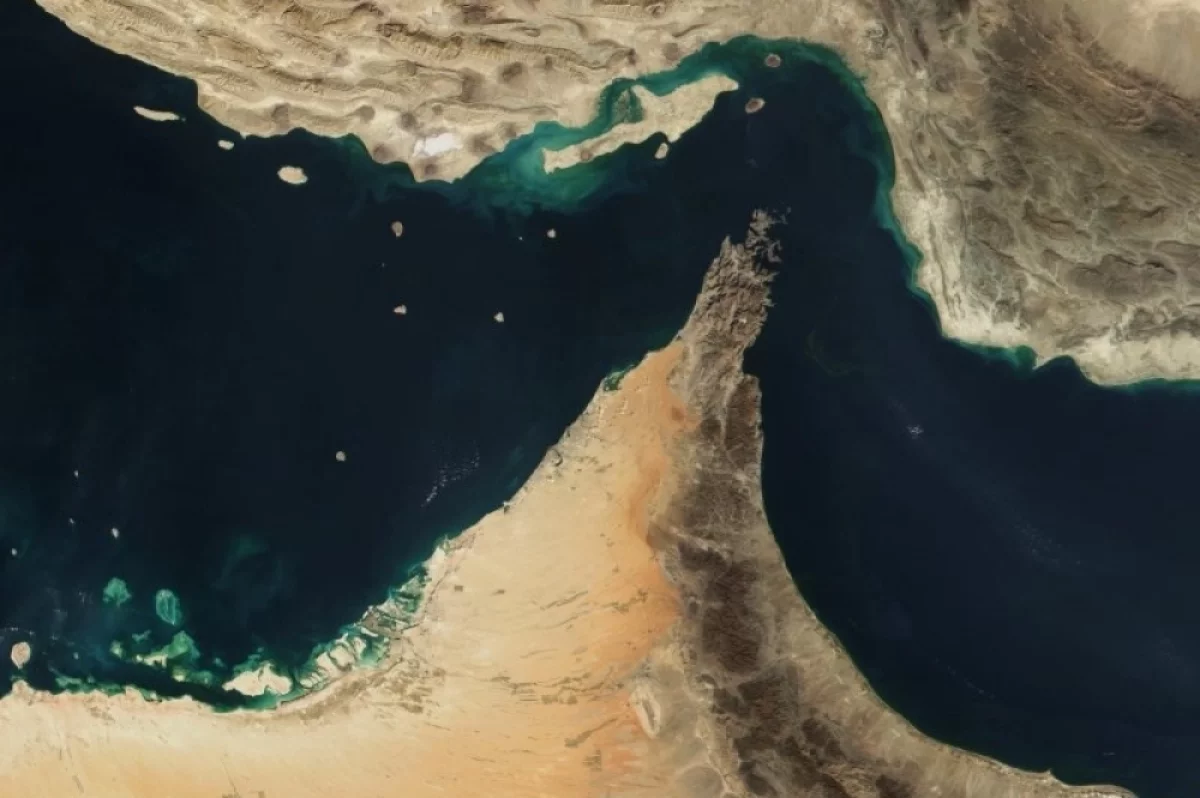
US airstrikes targeted Iranian military sites in response to ship attacks in the Strait of Hormuz. — Source: gdelt
Context of Khamenei's Funeral Procession
The attacks occurred days after a funeral procession for slain Supreme Leader Ayatollah Ali Khamenei continued in Najaf, Iraq, with burial planned for Mashhad. [2] The procession took place on Wednesday amid the fresh US attacks in Iran. [2] Khamenei had been killed on February 28 in Israeli and US air strikes. [2] Crowds gathered in Najaf to mourn the late leader, and his coffin was carried in a vehicle during the event. [2] His burial was expected to be held on Thursday in the north east Iranian city of Mashhad. [2]
Background to the Ceasefire Breakdown
The original conflict began on the morning of February 28 when the United States and Israel launched a large-scale military operation against Iran. [3] The stated goals were to prevent Iran from acquiring nuclear weapons and to neutralize the missile threat, with dozens of sites struck across the Islamic Republic. [3] Iran responded with missile strikes on targets in Israel and US military bases in the region, and closed the Strait of Hormuz to shipping. [3] According to the Iranian Red Crescent Society, the initial strikes killed at least 201 people and wounded more than 740. [3] Negotiations that began in mid-April led to agreements on a broad set of mutual concessions, formalized in a memorandum that both sides signed remotely. [3] The United States had granted Iran a 60-day period for legal formalization of those concessions. [3] The current escalation represents the first US military action since the mutual attacks of early June. [1]