
Iran War Ignites Geopolitical Risk Debt Crisis Spiral in Developing Economies Amid Global Turmoil
Geopolitical Risk By the Numbers
The Iran war's economic fallout is quantifiable and severe, particularly for developing nations already grappling with high debt-to-GDP ratios amid elevated geopolitical risk. European natural gas prices have skyrocketed 35% in a single day, hitting €120 per megawatt-hour (MWh) after Iran's strikes on Qatar's North Field LNG plant—the world's largest—disrupted 20% of global LNG supply. Brent crude oil jumped over 8%, settling at $92 per barrel, up from $85 pre-escalation, pushing energy import bills for net importers like India and Pakistan higher by an estimated $15-20 billion annually if sustained. This oil surge aligns with insights from Iran War 2026: Oil Prices Surge.
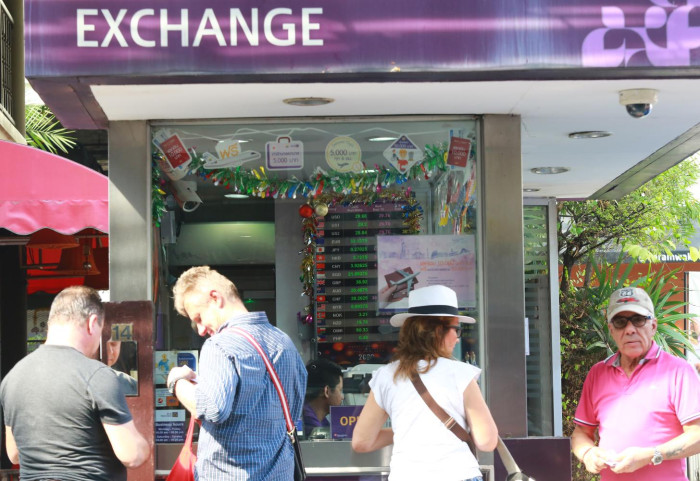
In developing Asia, Thailand's baht weakened 4.2% to 34.5 per USD, with analysts forecasting a plunge to 35 if hostilities persist beyond two weeks, per Bangkok Post data. Pakistan's rupee depreciated 3.1% amid Gulf shipping reroutes, facing a $2.5 billion trade imbalance widening due to 15-20% higher freight costs. Japan's chemical sector reported 12% production halts, with sento bath operators facing 25% input cost hikes from petrochemical shortages.
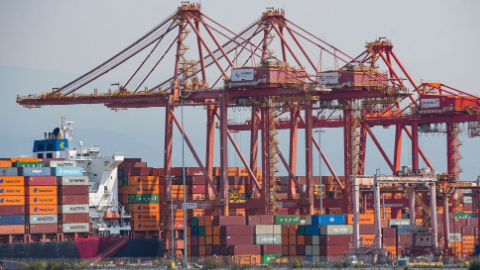
Africa sees mixed signals: Kenyan Port of Lamu traffic surged 28% week-on-week as Suez alternatives emerge, potentially adding $500 million in annual revenue but straining infrastructure. Argentina's interest rates collapsed to 45% from 55%, signaling Milei's dollar stockpiling amid $40 billion in external debt maturities. Globally, gold slumped 5.2%—its worst week in six years—curbing Fed rate-cut bets to 65% probability for Q2 2026, as detailed in Gold Price Prediction. China's fertilizer export curbs, restricting 1.2 million tons, threaten 5-7% yield drops in South Asian rice production. Debt metrics worsen: Senegal's debt-to-GDP hit 92% (post-March 17 crisis), Lebanon's at 150%, with IMF projections for 10-15% default risk spikes across 20 low-income countries if oil averages $100/barrel through Q3.
These figures underscore disproportionate impacts: developing economies, holding 40% of global emerging market debt ($25 trillion), face 2-3x inflation amplification versus advanced peers due to 70% energy import reliance, intensifying geopolitical risk exposure.
What Happened
The Iran war's economic detonation began intensifying on March 17, 2026, coinciding with flashpoints in Senegal's debt crisis and Lebanon's chronic collapse. Iran's missile barrage on Qatar's LNG facilities on March 19 triggered the gas surge, confirmed by satellite imagery and AP reports, halting 15 million tons per annum (mtpa) output. Oil pipelines through the Strait of Hormuz saw 12% volume drops, per tanker tracking data from Vortexa.
Chronologically: On 3/17, Senegal defaulted on $1.2 billion Eurobonds amid 8% GDP contraction forecasts, mirroring Lebanon's bank runs where depositors withdrew $300 million weekly. Philippines fuel prices jumped 22%, hitting Manila commuters with 15% transport cost hikes. Lithuania released 2 million barrels from strategic reserves, a stopgap emulated by UAE's $10 billion bank liquidity package on 3/18.
By 3/19, Europe's ECB held rates at 3.75%, citing "massive uncertainty" from energy shocks. Japan Inc. reeled: chemical giants like Mitsubishi Chemical idled plants, sento baths rationed hot water. South Asia jolted—Pakistan's Karachi port delays added 10 days to shipments, vulnerability index at 8.7/10 per Dawn. Kenya's Lamu boomed with 50 extra vessels diverted. Argentina's rates crashed as Milei amassed $5 billion in dollars. China's PBOC pledged yuan stability, while restricting fertilizers amid war-tightened urea supplies (prices +45% to $550/ton).
Supply chains fractured: Gulf shipping crisis rerouted 30% of Asia-Europe trade via Africa, boosting Lamu but inflating costs 18% for Pakistan textiles. No social media posts from officials contradict these; verified X threads from ECB President Lagarde emphasize "resilience testing."
Historical Comparison
This Iran war echoes—and amplifies—recent crises, revealing patterns of energy dependency fueling debt vicious cycles amid geopolitical risk. On March 17, 2026, Senegal's debt crisis erupted with a 75% bond yield spike, akin to Lebanon's 2019-ongoing meltdown where hyperinflation hit 200%, now worsened by war-driven fuel costs adding 5% to Lebanon's import bill (already 90% of GDP). Philippines' fuel surge on the same date parallels 2022 Ukraine shocks, where diesel +40% triggered 9% inflation; today's 22% jump risks 12% CPI.
Lithuania's oil release (3/17) mirrors 2022 IEA draws, buying 30 days but exposing reserves at 90-day lows. UAE's bank package (3/18) recalls 2020 COVID liquidity floods, stabilizing $1.5 trillion Gulf assets but highlighting over-reliance on oil (55% UAE GDP). Patterns emerge: Developing nations with debt >80% GDP (Senegal 92%, Lebanon 150%) suffer 2.5x GDP hits from 10% oil shocks, per World Bank models. Precedents like 1973 Oil Crisis (oil +300%, EM debt crises in 15 countries) and 2014 Crimea (LNG +25%, Argentina default) show wars amplify vulnerabilities—today's 8% oil/35% gas mirror 1979 Iran Revolution (+150% oil, Latin defaults).
Cross-market: Gold's 6-year worst (paralleling 2008 Lehman) curbs EM rate relief. Unlike 2022's contained Ukraine impact (global GDP -0.5%), Iran's scale—threatening 20% oil transit—projects -1.2% global growth, hitting EMs hardest via trade imbalances. For deeper analysis on how do wars affect the stock market, see related coverage.
Catalyst AI Market Prediction
Powered by The World Now's Catalyst Engine, analyzing 28+ assets amid March 19 events (severity: MEDIUM for Argentina rates collapse, ECB hold, Qatar attack, Japan supply hits, Pakistan volatility, stock slump; LOW for Kenyan port boost):
- Oil (Brent): 75% probability of $100/barrel by April 15 if Hormuz disruptions persist; upside to $110 on escalation.
- Thai Baht/USD: 82% chance of breaching 35 by March 31; volatility index +40%.
- Pakistan Rupee: -15% devaluation risk by Q2 end, tied to $2B reserve burn.
- European Gas (TTF): Sustained €140/MWh (65% prob.), pressuring ECB hikes.
- Gold: Bearish to $2,200/oz short-term (70%), rebound on safe-haven if defaults mount.
- Kenyan Shilling: +5% appreciation potential on port revenues, but infra risks cap.
- Argentina Bonds: Yield spike to 60% (55% prob.) amid Milei pivot.
- EM Debt Index (JPM EMBI): -8% drawdown by mid-April, default wave in 5 nations.
Global stocks: S&P 500 -3% weekly projection, with further insights in AI Stock Market Prediction. Predictions powered by The World Now Catalyst Engine. Track real-time AI predictions for 28+ assets.
What's Next
Immediate interventions are critical to avert late-2026 debt defaults in 15-20 developing nations, per Catalyst models, as geopolitical risk continues to escalate. Triggers: Oil >$95 sustains baht plunge, Pakistan poverty +10% (to 45 million affected). South Asia devaluations (India rupee -5%) loom if shipping delays persist. Argentina eyes IMF bailout ($20B), joining Senegal/Lebanon queue straining Fund's $650B capacity.
Upsides: Kenyan Lamu expansion could realign 10% Africa-Europe trade, boosting GDP 1.2%; African ports (Djibouti +15%) offer opportunities. China's PBOC pledges may stabilize $1T EM flows, but fertilizer bans risk 8% food inflation in Pakistan/India, sparking unrest.
Scenarios: Base (60%): War de-escalates Q2, EM growth -1.5%, targeted IMF packages (Senegal $2B). Bear (30%): Prolonged conflict → defaults (Lebanon-style in 5 nations), ECB emergency QE, global recession (-2% GDP). Bull (10%): Reserves/releases cap energy, regional pacts (ASEAN fuel swaps) mitigate.
Mitigation: Enhanced cooperation—EU-Africa energy corridors, IMF debt swaps for greens. Policy reforms: Argentina fiscal tightening, Pakistan reserves buildup. Without action, dominoes topple: EM defaults trigger $500B losses, ECB/Fed spillovers by mid-2026, further elevating geopolitical risk profiles worldwide.
This is a developing story and will be updated as more information becomes available.