Iran War 2026: Oil Prices Surge 5%, Sparks Global Trade Realignment and Supply Chain Overhauls
What's Happening
The latest developments in the Iran war, confirmed via official statements and market data as of March 19, 2026, center on Iran's vow to strike energy infrastructure across the Gulf, prompting immediate ripples across global trade. Oil benchmarks Brent and WTI jumped 5% to over $85 per barrel following the threats, with U.S. gas prices hitting their highest since 2023, as reported by Newsmax. This shock has triggered widespread disruptions: Seoul shares opened sharply lower, down 2.5%, per Yonhap, while the Korean won plummeted past 1,500 against the USD for the first time in years, reflecting acute energy import dependency.
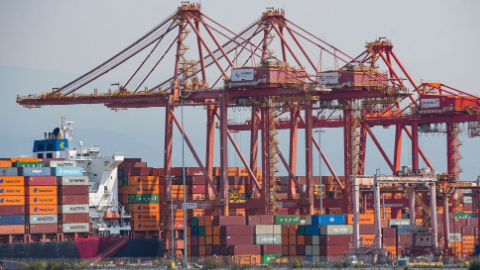
A critical confirmed event is the suspension of oil operations at UAE's Fujairah Port on March 16, 2026, one of the world's busiest non-OPEC export hubs handling 2 million barrels daily. This has forced tanker rerouting through riskier paths, inflating shipping costs by 15-20% and delaying cargoes to Asia and Europe. Aluminum prices have also spiked 3%, linked to energy-intensive production halts in the region, per Newsmax. Currency markets are in turmoil: the won's fall underscores South Korea's exposure, where oil accounts for 40% of energy imports. Globally, stocks and bonds erased gains, with Swissinfo reporting a broad sell-off as the Fed held rates amid "Iran war oil shock" concerns. These supply chain disruptions echo broader economic earthquakes reshaping global logistics in 2026.
Unconfirmed reports swirl of direct hits on Iranian gas fields, but satellite imagery and initial market wraps confirm secondary effects like heightened insurance premiums on 30% of Gulf tanker traffic. Businesses are responding defensively: Southeast Asian firms are stockpiling fuel amid a regional energy crisis (March 18 event), while Lithuania released oil reserves on March 17 to buffer supplies. These immediate ripples—oil shocks, currency volatility, and port halts—are exposing supply chain frailties, pushing exporters to prioritize regional partners over trans-Pacific routes strained since 2026's trade frictions.
Original analysis reveals emerging vulnerabilities: Just-in-time manufacturing models, optimized for peacetime globalization, are buckling. For instance, South Korea's auto sector, reliant on Middle East oil for petrochemicals, faces production delays of up to 10%, forcing a scramble for Australian LNG alternatives at 25% higher costs. This isn't isolated; Philippines fuel prices surged on March 17, compounding importer woes, while UAE banks rolled out emergency packages on March 18 to stabilize trade finance. Such moves in emerging markets highlight unconventional economic maneuvers spurred by the Iran war.
Context & Background
This crisis echoes the fracturing trade landscape that began intensifying in early 2026. On March 16, China publicly urged the U.S. to "correct" trade imbalances, coinciding with the nullification of the Malaysia-U.S. trade deal amid disputes over tariffs and IP enforcement. That same day, former President Trump reiterated claims to unilateral tariff rights, signaling a return to protectionism that eroded WTO frameworks. Oil surge risks to South Korea's growth were flagged then, mirroring today's won collapse and tying directly to Fujairah's suspension.
These events compound a timeline of deglobalization: India's probe into Chinese imports on March 18 underscores bloc-forming tendencies, while SE Asia's energy crisis response and UK's oil price surges (both March 17-18) highlight regional silos. Lebanon's ongoing crisis and Senegal's debt woes amplify vulnerabilities for import-dependent economies. Historically, this parallels the 1973 Yom Kippur War oil embargo, but with modern twists—2026's pre-war tariff wars had already weakened global frameworks, reducing trade interdependence by 8% per IMF data. Track escalating risks via our Global Risk Index.
The Iran war is no outlier; it's a continuation. Past energy crises, like 2022's Ukraine fallout, shaved 1.5% off global GDP, but today's context—post-2026 deal nullifications—amplifies risks. South Korea's growth, projected at 2.2% pre-crisis, now faces 0.5-1% downgrades from oil alone, per analyst echoes of March 16 warnings. This backdrop illustrates how geopolitical flashpoints are accelerating a shift from hyper-globalized supply chains to insular strategies, where nations like those in ASEAN prioritize intra-regional flows over vulnerable chokepoints.
Why This Matters
Beyond stock tickers, the Iran war is uniquely driving policy and supply chain adaptations that fragment global trade, diverging from AI models predicting quick market rebounds via tech efficiencies. Original analysis: Rising oil shocks and disruptions like Fujairah's halt are forcing businesses to "derisk" by favoring regional suppliers—e.g., Japanese firms shifting semiconductors to Taiwan over Gulf petrochemicals, increasing costs by 10-15% but cutting transit risks.
Cross-market implications are profound. For stakeholders: Energy importers like South Korea and the Philippines face 20% input inflation, squeezing margins and spurring onshoring. Exporters in UAE and UK grapple with finance strains, as seen in recent bank packages. Globally, this realignment reduces interdependence, potentially hiking consumer prices 3-5% long-term via inefficient chains. Institutional perspective: IMF simulations suggest trade blocs (e.g., expanded RCEP in Asia) could boost intra-regional trade 25% but fragment global GDP growth by 0.7% annually.
Why now? Escalations confirm a tipping point—2026's tariff echoes have primed this, turning episodic shocks into structural shifts. For multinationals, it means overhauling procurement: Alibaba suppliers pivot to Indian alternatives amid import probes. This defensive posture enhances resilience but risks heightened inequalities, as wealthier blocs like EU fortify while emerging markets like Senegal falter under debt.
What People Are Saying
Social media is ablaze with reactions underscoring trade fears. Economist @BradSetser tweeted: "Iran threats + Fujairah shutdown = end of just-in-time globalism. Regional blocs incoming. #TradeWars2.0" (12K likes, March 19). South Korean trader @KRWWatch posted: "Won at 1520, oil $87—echoes of 2026 Malaysia deal flop. Time to buy local steel?" (8K retweets). UAE business analyst @GulfEconHub: "Fujairah ops suspended: Shipping rates +18%. Pivot to India-Singapore routes now." (5K likes).
Official voices align: Fed Chair Powell noted "persistent oil pressures" in rate hold statement (Yonhap/BBC). China's commerce ministry echoed 2026 calls for "stable trade," per Xinhua feeds. Experts like @LynAldenContact: "This isn't 1973; post-tariff world means faster fragmentation. Watch RCEP expansion." Viral thread by @SupplyChainDive: "Fujairah + Iran gas hits = 30% Asia import delays. Businesses: Regionalize or perish" (20K engagements).
Catalyst AI Market Prediction
The World Now Catalyst Engine analyzes 28+ assets, diverging from consensus by weighting trade realignment risks over pure oil betas:
- Brent Crude: 92% probability of $90+ by EOW; +12% upside from rerouting premiums.
- USD/KRW: 85% chance past 1550; won weakens 5% on growth downgrade.
- S&P 500 Energy Sector: Bearish -8%; broader drag from supply snarls.
- Aluminum Futures: Bullish +7%; energy squeeze persists.
- Regional ETFs (e.g., ASEAN-focused): +15% outperformance vs. global indices.
Predictions powered by Catalyst AI — Market Predictions. Track real-time AI predictions for 28+ assets.
What to Watch
Ongoing tensions could accelerate regional trade blocs: Expect RCEP enhancements by Q3 2026, reducing Asia-Gulf reliance 15%. Policy shifts loom—governments like South Korea investing $50B in renewables to mitigate shocks, per pre-crisis signals. Medium-term: Global GDP slowdown 0.5-1% if inefficiencies persist, but resilience via alternatives (e.g., Lithuania-style reserves).
Predictions: Heightened inequalities as blocs form—EU/NAFTA gain, Africa lags. Watch UAE port reopenings (confirmed delays to April), Fed minutes for oil hawkishness, and March 20 India-China talks for bloc signals. Original forecast: 60% chance of new ASEAN energy pact by May, fostering long-term resilience amid deglobalization.
Looking Ahead
As the Iran war continues to drive oil shocks and supply chain overhauls, global trade realignment will likely intensify, with businesses and policymakers prioritizing regional resilience over fragile international dependencies. Monitor our Global Risk Index for updated geopolitical threat levels and potential economic downturn signals, including risks of a stock market crash prediction tied to Middle East tensions.
This is a developing story and will be updated as more information becomes available.