Iran War Ends With US Deal Reopening Strait of Hormuz
The United States and Iran are set to sign a framework peace deal in Switzerland on June 19 that reopens the Strait of Hormuz, ends a US naval blockade of Iranian ports, and extends a ceasefire, following more than three months of the Iran war that began on February 28 and killed Iran's Supreme Leader Ayatollah Ali Khamenei along with numerous top officials. [5] Both the US and Iran have declared victory after the conflict, but analysts describe it as an "epic folly" and a "lose-lose" outcome that failed to resolve core problems, with Iran economically devastated despite surviving and the US and Israel only partially degrading Iranian capabilities. [1]
End of the Iran War Through US-Iran Framework Deal
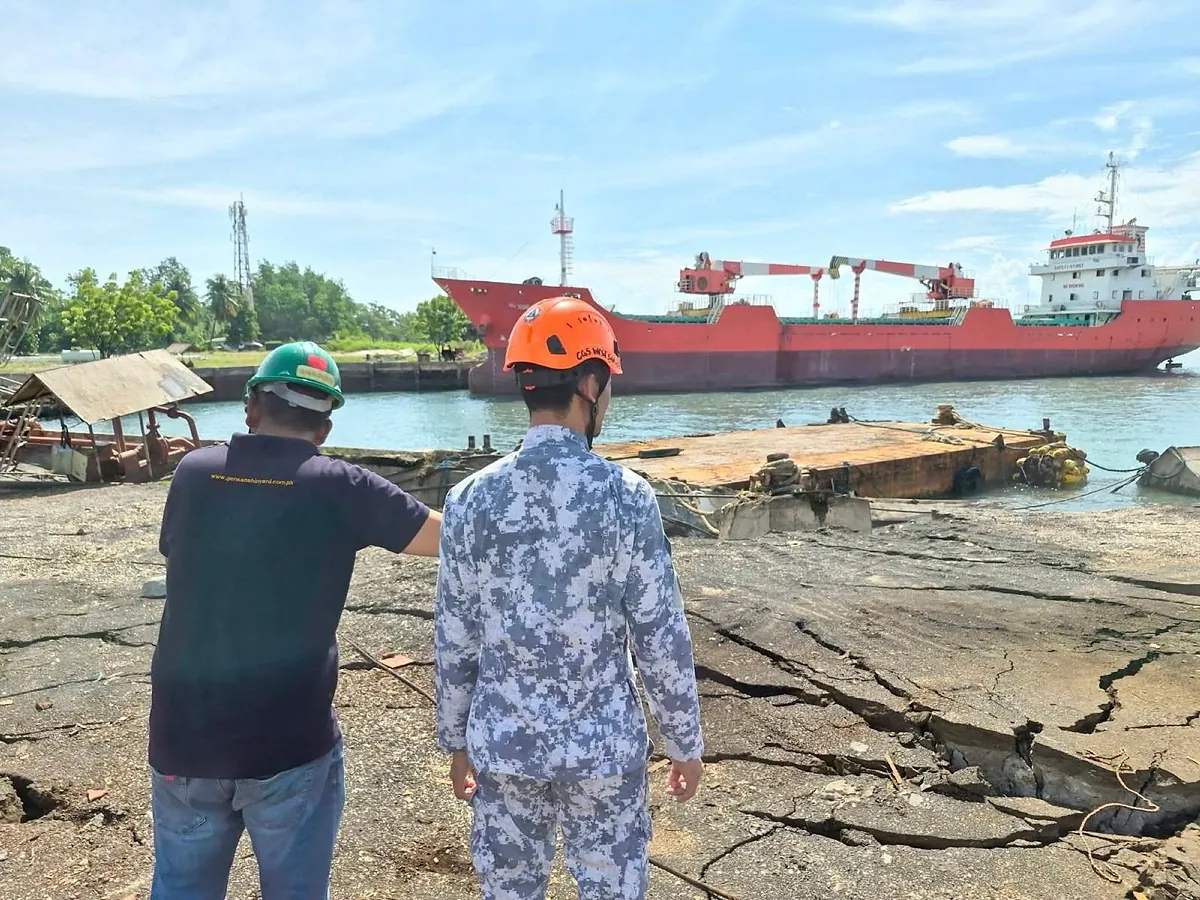
The agreement, mediated by Pakistan and scheduled to be signed on Friday in Switzerland, is intended to end more than three months of war in the Gulf, halt the US blockade of Iran and reopen one of the world’s most important oil chokepoints. [3] The Strait of Hormuz carried about 20 million barrels per day of oil in 2024, equivalent to 20 per cent of global petroleum liquids consumption, making any disruption a direct concern for energy-importing economies in Asia, according to data from the US Energy Information Administration. [3] Details of the agreement remain unclear, but Reuters reported that a draft memorandum covered issues including Tehran’s nuclear programme, the reopening of the strait, sanctions relief and the release of US$25 billion in frozen Iranian assets during a 60-day negotiation period. [3] The memorandum of understanding is not a full peace treaty but defers nuclear program and sanctions issues to future negotiations. [5] It follows a miscalculation by the US and Israel that the regime would collapse after the initial strikes. [4] After April 8, when America and Iran agreed upon a ceasefire that was supposed to last for two weeks but has so far endured for more than seven, the war descended into a bitter stalemate, one that left the Strait of Hormuz closed and sent prices for crude oil and other commodities soaring as the closure of that vital shipping route reduced supplies. [4] Yet the oil markets have evidently now concluded that the energy crisis is ending and that the peace deal will hold, with the price of crude oil falling back toward US$80 per barrel, more than 25% lower than its peak in early May. [4] The agreement re-opens the Strait of Hormuz, Trump says, taking the pressure off the global economy and the real lives of hundreds of millions of hard-pressed people around the world. [5] The memorandum of understanding clears the way for the nuclear negotiators to reconvene and for ships to transit the strait. [5] That is exactly where they were 24 hours before the US and Israel went to war. [5]
Key Iranian Leaders Killed in the Conflict
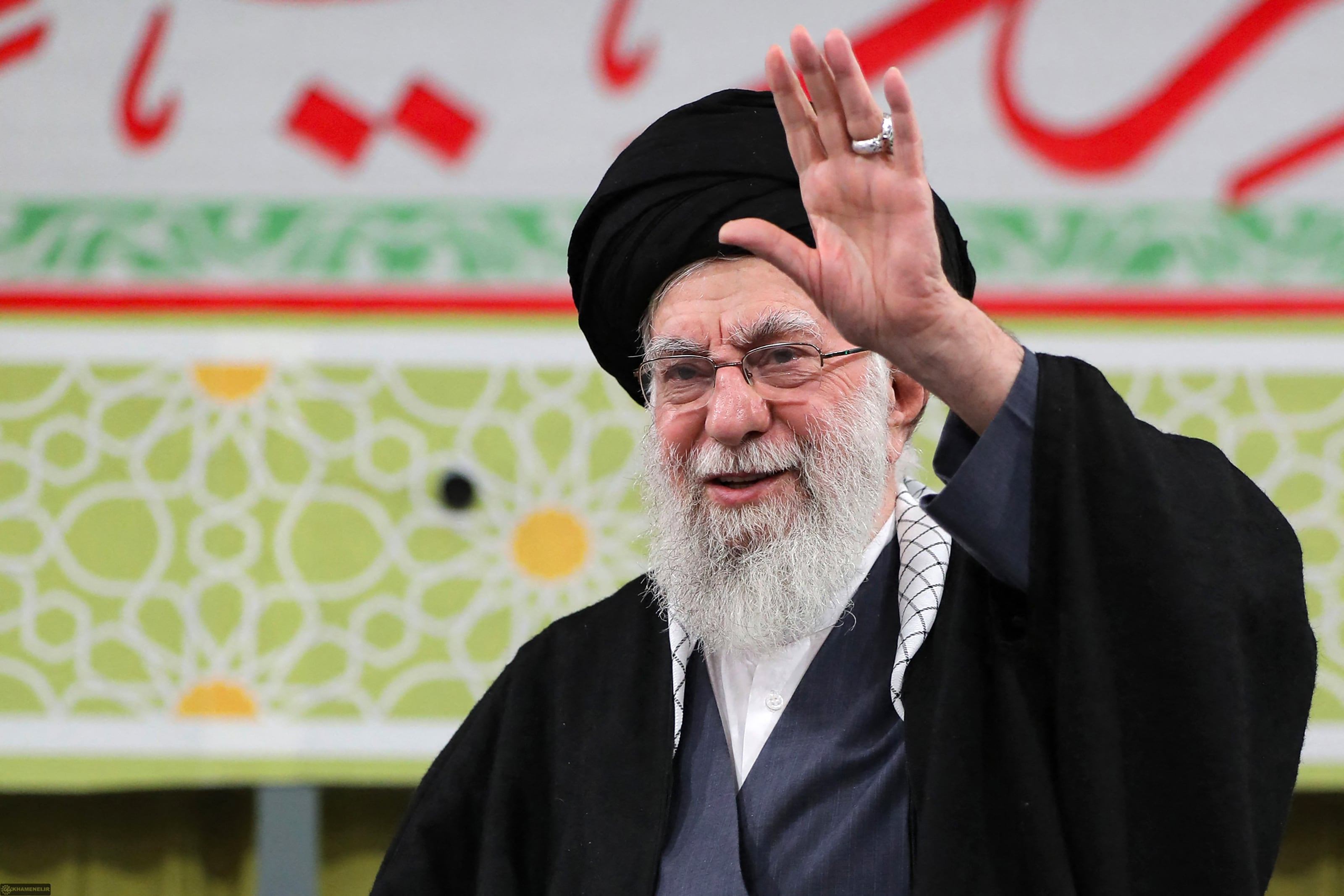
Iranian leaders including Ayatollah Ali Khamenei killed during the three-month Iran war. — Source: gdelt
Desde el inicio de las hostilidades el 28 de febrero, los ataques estadounidenses e israelíes mataron al líder supremo de Irán, Alí Jamenei, y a numerosos dirigentes de la élite política y militar de la república islámica. [2] El ayatolá Alí Jamenei, líder supremo desde 1989, murió el primer día de la guerra durante un ataque en Teherán en el que también perdieron la vida varios familiares suyos. [2] Su hijo Mojtaba resultó herido, según Washington, pero sobrevivió y le sucedió como nuevo dirigente. [2] Alí Jamenei será enterrado el 9 de julio, en la ciudad de Machhad, en el noreste, de donde era oriundo. [2] La muerte de Alí Larijani es probablemente la mayor pérdida de la república islámica después de la de Jamenei. [2] Murió el 17 de marzo en un ataque israelí, aparentemente en la región de Teherán, que también costó la vida a varios parientes suyos. [2] Mohammad Pakpour, exjefe de las fuerzas terrestres de los Guardianes de la Revolución, llevaba al frente del ejército ideológico de la república islámica desde junio de 2025, fecha en la que sucedió a Hossein Salami, fallecido durante la guerra de 12 días entre Israel e Irán. [2] Pakpour murió el primer día de la guerra y fue sustituido por el exministro de Interior y Defensa Ahmad Vahidi. [2] Alí Shamjani, pilar de las fuerzas armadas desde la década de 1980, murió el primer día de la guerra. [2] Recibió un funeral público en Teherán. [2] Esmail Jatib murió en un ataque israelí en Teherán el 18 de marzo. [2] Llevaba en el cargo desde 2021. [2] Aziz Nasirzadeh, veterano de la guerra entre Irán e Irak, también murió en un ataque aéreo el primer día de la guerra. [2] Gholamreza Soleimani, al mando de los Basij, una milicia formada por voluntarios, murió en un ataque aéreo el 17 de marzo. [2] Y Esmail Ahmadi, director de inteligencia de los Basij, fue liquidado en un ataque el 16 por la noche. [2] Alí Mohammad Naini murió en lo que los Guardianes de la Revolución calificaron de ataque “cobarde” de Estados Unidos e Israel. [2] Mohammad Shirazi murió el primer día de la guerra. [2] Su trabajo consistía en coordinar las diferentes ramas de las fuerzas de seguridad en la oficina del líder supremo. [2] Abdolrahim Mousavi, muerto el primer día de la guerra, era jefe del Estado Mayor de las fuerzas armadas desde junio de 2025, después de la muerte de su predecesor Mohammad Bagheri durante la guerra de 12 días. [2] Khamanei and his advisers were replaced rapidly, by his son Mojtaba as supreme leader and by a younger generation of commanders, dominated by senior leaders of the Islamic Revolutionary Guards Corps. [5]
Assessments of a Lose-Lose Outcome
'Epic folly': As the US and Iran both declare victory, 'none of the problems were resolved'. [1] Nadia Massih is pleased to welcome Ali Vaez, Director of the Iran project and Senior Advisor at the International Crisis Group. [1] He argues that the war failed to achieve its principal strategic objectives while imposing enormous costs on all parties involved. [1] Contrary to narratives portraying the outcome as a decisive victory for either side, Vaez frames the conflict as a classic "lose-lose" dynamic: Iran survived but emerged economically devastated; the United States and Israel degraded some Ira [1] The world now feels pretty much the same about the US-Israel-Iran war that began with 12 days of bombing of Iranian nuclear facilities in June 2025 and recommenced on February 28 this year in a more intense, three-way conflict. [4] This time Kissinger and the world will be proved correct: when the US and Iran sign their framework deal in Switzerland on June 19, the truth will be that all three of the warring parties have lost. [4] None of those three countries has the strength to continue, and the mutual blockade of Hormuz by America and Iran is benefiting no one. [4] Iran’s brutal theocratic regime, a regime that massacred tens of thousands of its own citizens during protests in January, may feel that it has won by simply surviving. [4] Certainly, it has shown more resilience than the Americans and Israelis expected and has proved to have larger reserves of weapons than was realized. [4] The regime has remained intact and in power despite the assassination of its Supreme Leader, Ayatollah Ali Khamenei and many top officials. [4] Nonetheless, while the regime looks strategically strong, it is politically and economically weak. [4] Inflation is even higher than before the war and prospects for any improvement in living standards depend crucially on peace being achieved. [4] The regime’s much-vaunted nuclear enrichment program may still exist in theory but in practice most of the facilities and materials have been destroyed. [4] Similarly, the network of militias that Iran has financed around the region, in Lebanon, Gaza and Yemen, remain intact but are depleted. [4] Iran is in no condition to carry on fighting. [4]
Regional and Global Repercussions
The US-Iran peace deal is likely to bring immediate relief but not yet reassurance for Asia, as leaders across the region watch whether the Strait of Hormuz reopens, oil prices ease and the agreement can withstand the nuclear talks and geopolitical distrust still ahead, analysts say. [3] In comments reflecting Asia’s cautious reception of the deal, Japanese Prime Minister Sanae Takaichi said her country “strongly hopes” that “free and safe navigation through the Strait of Hormuz will be ensured in practice, and that a final agreement on Iran’s nuclear issue and other matters will be reached as soon as possible”. [3] The war has been President Donald Trump's worst foreign policy blunder – so far. [5] It makes it harder for the United States to deter its enemies. [5] It has damaged its alliances with the oil-producing Arab monarchies of the Gulf, whose business model as islands of stability in the turbulence of the Middle East will take years to repair. [5] Privately, their officials already talk about diversifying their allegiances, and about the necessity of finding ways to live alongside Iran, its neighbour across the water. [5] China will have been watching closely as the United States burned through hard-to-replace stocks of weapons and came up against the limits of its power. [5] China is the only country that can consider itself a winner in the 2025-26 US-Israel-Iran war, principally because that war has weakened the United States in practical and reputational terms but also because it potentially will extend China’s influence in the Middle East. [4] Many of the wealthy foreigners and foreign contractors that the Gulf Arab countries want to lure back to rebuild their economies are Chinese. [4] The impact on fertiliser production that depended on supplies shipped through the strait could mean people in poor countries going hungry later in the year, with Africa south of the Sahara particularly at risk. [5] Israel’s prime minister, Binyamin Netanyahu, would like the war to be resumed. [4] His argument that Israel can never be safe while Iran is governed by a theocratic regime that is officially dedicated to Israel’s destruction is not unreasonable. [4] But his effort to dislodge that regime through American bombs has failed. [4] Crucially, his own government has also reached the end of its current road. [4] The ultra-Orthodox political parties that have sustained his coalition withdrew last month in a long-running dispute over the exemption from military conscription of their religious community, and the Knesset (parliament) was dissolved on May 20, paving the way for a general election. [4] That election must be held before October 27 and is now expected to take place in September. [4]
Miscalculation That Started the War
The agreement is not a peace deal. [5] The full text, which negotiators have said has 14 points on two pages, has not been published yet. [5] But as well as reopening the strait, the memorandum of understanding extends the ceasefire and lifts the US Navy's blockade of Iranian ports. [5] It defers the thorniest issues to future negotiations. [5] That agenda will include the future of Iran's nuclear programme and the level of sanctions relief it will get in return for concessions. [5] A line has, at last, been drawn under the war that the US and Israel started on 28 February. [5] Now turn the clock back to 27 February, as American and Israeli forces were preparing to strike, arming their aircraft, briefing their crews and programming targets for their missiles. [5] In Geneva, Iran and the US were involved in what the world had been told were essential talks aimed at controlling Iran's nuclear plans. [5] Multiple sources have told me and others that Iranian negotiators believed they were in a serious process and had put concessions as well as demands on the table. [5] At the entrance to the Gulf, the Strait of Hormuz was open, allowing the passage of around 20% of the world's requirements of oil and natural gas, as well as byproducts of the petro-chemical industry that have become vital components of modern life, including agricultural fertilisers and semi-conductors. [5] In the first of a series of devastating surprise attacks, Israel killed the Supreme Leader of Iran, Ayatollah Ali Khamenei and his closest advisers. [5] Around the same time, an American strike flattened a school in Minab in southern Iran, multiple investigations have shown. [5] More than 150 civilians were killed, including at least 120 school children, mostly girls under the age of 12. [5] Both Trump and Israel's Prime Minister Benjamin Netanyahu made video appearances to announce the start of a war that they believed would be short, sharp and victorious. [5] It was a stunning misjudgement. [5] Their speeches predicted the fall of the regime in Tehran. [5] Instead, survival has strengthened the regime. [5] Its worst nightmare was a full-scale attempt at regime change by the United States and Israel. [5] It happened and failed. [5] The hard men in Tehran who survived have emerged emboldened. [5] They pushed to the limit a well-planned strategy of closing the Strait of Hormuz and attacking Iran's Arab neighbours as well as US forces and bases, and Israel itself. [5] The bellicose rhetoric of the US Defence Secretary Peter Hegseth claiming that American power had crippled Iran's armed forces turned out to be exaggerated and untrue. [5]
What to watch next: analysts will monitor whether the Strait of Hormuz reopens in practice, oil prices ease further, and the 60-day period yields progress on nuclear talks amid ongoing geopolitical distrust. [3]