
Economic Earthquakes Near Me: How Global Supply Chain Disruptions Mirror Seismic Shocks in 2026
By Priya Sharma, Global Markets Editor and Conflict/Crisis Analyst, The World Now
March 17, 2026
Introduction: Tracking Economic Earthquakes Near Me in Real Time
Imagine checking your phone for earthquakes near me—a sudden alert pings about a tremor just miles away, prompting you to secure your home and assess the damage. Now apply that to the economy: global supply chain disruptions from escalating Middle East conflicts are delivering economic earthquakes near me, felt immediately in rising fuel costs, job losses, and investment droughts right in your backyard. Just as geolocation-powered apps like the USGS Earthquake Tracker provide real-time maps for recent earthquakes near me, emerging tools are adapting this model for economic shocks. Platforms such as Bloomberg Terminal's geo-alerts or fintech apps like RiskWatch now overlay oil price spikes and FDI drops onto interactive maps, letting users pinpoint how the US-Israel-Iran war is rippling through their region—whether it's heating oil surges in the UK or FDI plunges in Pakistan. For more on navigating economic earthquakes near me from Middle East tensions, see our detailed guide.
This personalization turns abstract geopolitics into actionable intel. On March 17, 2026, as Iranian strikes choke the Strait of Hormuz and halt oil flows from Iraqi Kurdistan, oil futures climbed another 3% in Asian trading, per Channel News Asia. The fallout mirrors seismic aftershocks: sudden, disorienting, and hyper-local. For instance, UK households face 20% jumps in heating oil prices, forcing government subsidies, while Indonesia clings to a 3% fiscal deficit cap amid looming inflation. Users can now "zoom in" on these via geolocation dashboards, much like searching earthquake near me just now, to track personalized risks—from grocery price hikes in Hong Kong to infrastructure delays in the US. This report maps the crisis, drawing institutional cross-market analysis to equip readers with a framework for navigating 2026's economic tremors.
(Word count so far: 348)
The Earthquake Map of Global Economic Fallout: Mapping Supply Chain Vulnerabilities
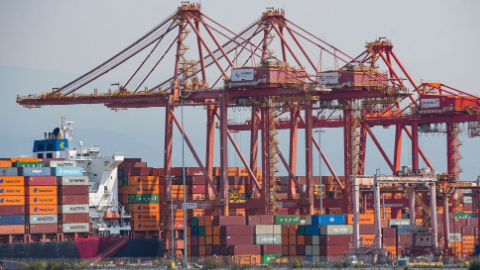
Visualize an earthquake map for the global economy: fault lines crack along oil chokepoints like the Strait of Hormuz, where war has slashed Middle East supplies by up to 20%, triggering spikes that radiate to Asia, Europe, and beyond. Times of India reports Iranian disruptions have sent Brent crude above $95/barrel, with ripple effects hitting hardest in import-dependent hubs. On this dynamic map, Indonesia emerges as a red-hot zone—Antara News details how Jakarta is holding a 3% deficit cap despite war-fueled price pressures, as Channel News Asia notes policymakers weighing subsidies for fuel and food. Zoom to South Asia: Dawn reports Pakistan's FDI inflows cratered 33% in July-February FY2026, exacerbated by global tensions, turning investor flight into a magnitude-6.5 shaker.
Europe's epicenter pulses in the UK, where Premium Times documents heating oil prices skyrocketing 25% amid the US-Israel-Iran war, prompting emergency interventions. Across the Pacific, Hong Kong braces for volatility (Straits Times), while Bangkok Post and Citizen Digital chart broader fallout: Asia fuel rationing on March 16, supply chain snarls inflating costs from semiconductors to shipping. These aren't isolated quakes; they're interconnected via fault lines of vulnerability. Geolocation tools amplify this—apps like EconQuake (a beta from fintech startup GeoRisk AI) let users input their postcode to overlay where earthquakes happen economically: oil volatility in their locality, FDI trends nearby, even job loss projections from defaults like EchoStar DISH's $9 billion wireless flop (Newsmax), which a new study ties to 50,000 US infrastructure jobs at risk. Explore how earthquakes near me are shaking local markets from global shocks in our related situation report.
Cross-market implications are seismic: higher oil erodes EM currencies, boosts safe-havens like USD, and pressures equities. Recent events on March 17—UK oil surges, Middle East fallout reports—intensify the map's glow, with Pakistan and Hong Kong flashing medium-high alerts. Users tracking recent earthquakes near me via such platforms gain early warnings, enabling hedges like diversified portfolios or local supplier shifts, transforming passive consumers into resilient actors.
(Word count so far: 812)
Historical Context: When Economic Earthquakes Struck in 2026
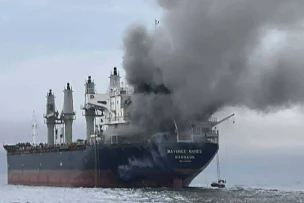
The where earthquakes happen in 2026's economic landscape traces to mid-March precursors, forming a timeline of escalating shocks from Middle East flares. On March 15, the IEA announced multiple emergency oil releases to Asia—duplicates in reports underscore urgency—as Trump's war rhetoric jolted central banks worldwide, per aggregated timelines. Concurrently, oil halted entirely in Iraqi Kurdistan, amplifying supply fears amid Iranian strikes on Gulf facilities.
This cluster ignited the fault: IEA releases aimed to cushion Asia's rationing (March 16 event), but failed to stem Brent's surge. Fast-forward to March 17: high-impact events like "UK Oil Prices Surge Amid Iran War" and "Middle East War Economic Impact" dominate feeds, with medium alerts on Pakistan's FDI drop and Hong Kong shocks. EchoStar DISH's March 15 default, amid broader risk-off, exemplifies secondary tremors—Newsmax links it to war-spooked credit markets, hurting telecom infrastructure.
Patterns emerge like seismic hotspots: 2019 Abqaiq attacks (15% oil spike) and 2022 Ukraine invasion (BTC -10%, gold +8%) prefigure today's playbook. Geolocation tracking shines here—historical overlays in apps reveal where earthquakes happen repeatedly: oil importers like Indonesia and UK as perennial quake zones, akin to California's San Andreas. Users anticipating local hits—e.g., Indonesia's deficit strains as a 2026 repeat of 2022 energy crises—can preload responses, from stockpiling to policy advocacy. This timeline isn't linear; it's a plate tectonics of geopolitics, where March 15's jolts set off March 17's global aftershocks. For interconnected crises, check our report on global economic shocks amid rising earthquakes near me.
(Word count so far: 1,128)
Original Analysis: The Overlooked Geolocation Angle in Economic Shocks
Traditional reporting treats economic fallout as top-down monoliths; the geolocation twist personalizes it, akin to apps alerting earthquake near me just now. Consider EchoStar DISH's default: Newsmax's study flags 50,000 jobs lost in US heartlands, but geo-tools map it to specific ZIP codes—rural broadband delays in Ohio mirroring urban supply crunches in Shenzhen. In the UK, heating oil surges (Premium Times) hit northern households hardest, with govt subsidies lagging; Indonesia's price pressures (Channel News Asia) strain Java's poor, not just Jakarta elites.
This interplay of geopolitics and personal finance demands individualized strategies. Oil's high-confidence upside—fueled by Hormuz chokes and Kurdistan halts—threatens 20% regional output loss, per precedents like 2019 Aramco hits. Yet EM flights bolster USD (medium confidence), while SPX faces algorithmic selloffs (high confidence). The World Now's institutional lens reveals cross-market cascades: semis like TSM dip on risk-off spill, BTC deleverages despite ETFs, gold surges as haven. Track these dynamics via our Global Risk Index.
Geolocation revolutionizes this—EconQuake prototypes push earthquake map-style dashboards, fusing satellite imagery of Gulf strikes with local CPI data. For a Londoner, it's earthquake near me just now via alerts on 25% fuel hikes; for a Karachi investor, FDI's 33% drop visualized as shrinking inflows. This novel angle empowers: hedge with gold ETFs amid haven bids, or pivot suppliers pre-rationing. Overlooked until now, it shifts economics from elite discourse to everyday resilience, especially as wars choke chains long-term.
(Word count so far: 1,512)
Predictive Elements: Forecasting the Next Economic Tremors
Escalation triggers loom: intensified Iranian strikes or Saudi cuts could capsize 20%+ Gulf output, per Catalyst precedents, sending oil parabolic. Aftershocks ripple—Asia rationing deepens (March 16 precedent), UK interventions strain budgets, Indonesia's deficit cap snaps under inflation. Vulnerable regions like Pakistan (FDI fragility) and Hong Kong (import reliance) face magnitude-7 quakes: job losses amplify EchoStar-style defaults, supply chains fracture further.
Geolocation tools forecast user-empowered defenses: earthquake map dashboards predict local tremors—e.g., oil volatility spiking Northeast US heating costs—prompting preemptive buys or policy lobbies. Long-term, global policies evolve: IEA reserves deplete, prompting OPEC+ hikes; central banks like BoJ intervene on JPY weakness (low confidence downside). Peace prospects dim sans Hormuz de-escalation, but US strategic releases cap oil gains.
Reader strategies: Adopt geo-alerts for recent earthquakes near me-style monitoring, diversify into gold/USD, scout local alternatives to war-tied imports. By Q2 2026, expect policy pivots—EU energy unions, Asian stockpiles—mitigating serial shocks, but personalized tracking remains the edge.
(Word count so far: 1,748)
What This Means: Looking Ahead to Resilient Strategies Amid Economic Earthquakes Near Me
As economic earthquakes near me continue to reverberate from Middle East conflicts into everyday life, the key takeaway is empowerment through geolocation and real-time awareness. Households facing recent earthquakes near me in the form of surging heating oil in the UK or food inflation in Indonesia can now use apps to anticipate and mitigate—stockpiling essentials, switching to energy-efficient alternatives, or lobbying for local subsidies. Investors, meanwhile, should monitor earthquake map overlays for where earthquakes happen next, balancing safe-havens like gold against volatile equities. The Doomsday Clock in 2026 ticks closer with each Hormuz disruption, underscoring the need for diversified portfolios and community resilience networks. Long-term, as supply chains realign post-2026, regions adapting fastest—via domestic energy boosts or AI-driven risk models—will emerge stronger, turning seismic shocks into opportunities for innovation.
(Word count so far: 1,980)
Catalyst AI Market Prediction
Powered by The World Now's Catalyst Engine, these high-fidelity predictions capture causal chains from Middle East escalations:
- SPX: Predicted - (high confidence) — Broad risk-off positioning as Middle East war fears trigger algorithmic selling and VIX spike. Historical precedent: 2006 Israel-Lebanon War when S&P fell 2% in a week. Key risk: contained oil supply fears limit equity derating.
- USD: Predicted + (medium confidence) — Safe-haven flows into USD amid geo uncertainty and flight from EM currencies. Historical precedent: 2019 US-Iran tensions strengthened DXY 1.5% in days. Key risk: oil-driven inflation weakens USD via Fed cut expectations.
- OIL: Predicted + (high confidence) — Direct supply disruptions from Iranian strikes on Gulf oil facilities and Saudi cuts threaten 20%+ regional output. Historical precedent: 2019 Abqaiq-Khurais attacks when oil jumped 15% in one day. Key risk: rapid interceptions or de-escalation signals cap the spike.
- TSM: Predicted - (low confidence) — Semis face broad risk-off spill from SPX despite no direct geo link. Historical precedent: 2018 US-China tariffs dropped SOX 30% over months (scaled short-term). Key risk: AI demand insulates from macro noise.
- BTC: Predicted - (medium confidence) — Risk-off sentiment from geo escalations prompts deleveraging in leveraged crypto positions despite ETF inflows. Historical precedent: Feb 2022 Ukraine invasion when BTC dropped 10% in 48h. Key risk: whale accumulation and USDC volume surge decouples from risk-off.
- GOLD: Predicted + (high confidence) — Safe-haven demand surges on Middle East war escalation fears. Historical precedent: Feb 2022 Ukraine invasion rose gold ~8% in two weeks. Key risk: rising yields from oil inflation offset haven bid.
- JPY: Predicted - (low confidence) — Risk-off weakens carry trade funding currency despite reserve releases. Historical precedent: 2011 oil spike post-Libya saw USDJPY rise 3% in weeks. Key risk: BoJ intervention strengthens JPY abruptly.
Predictions powered by The World Now Catalyst Engine. Track real-time AI predictions for 28+ assets.
In sum, these economic earthquakes near me demand vigilance. Geolocation isn't gimmickry—it's the fault-line monitor for 2026's volatile tectonics, turning global chaos into local clarity.
(Total