
Iran Tensions Prompt DP World to Develop Fujairah Port Bypass
Iran tensions have driven the United States to deploy three Corsair unmanned surface vessels in an attack on an Iranian naval ship and submarine repair facility at the port of Bandar Abbas. This marks the first offensive use of these USVs amid escalating conflict over the Strait of Hormuz that has prompted new trade routes and a renewed naval blockade.
US Unmanned Attack on Iranian Port
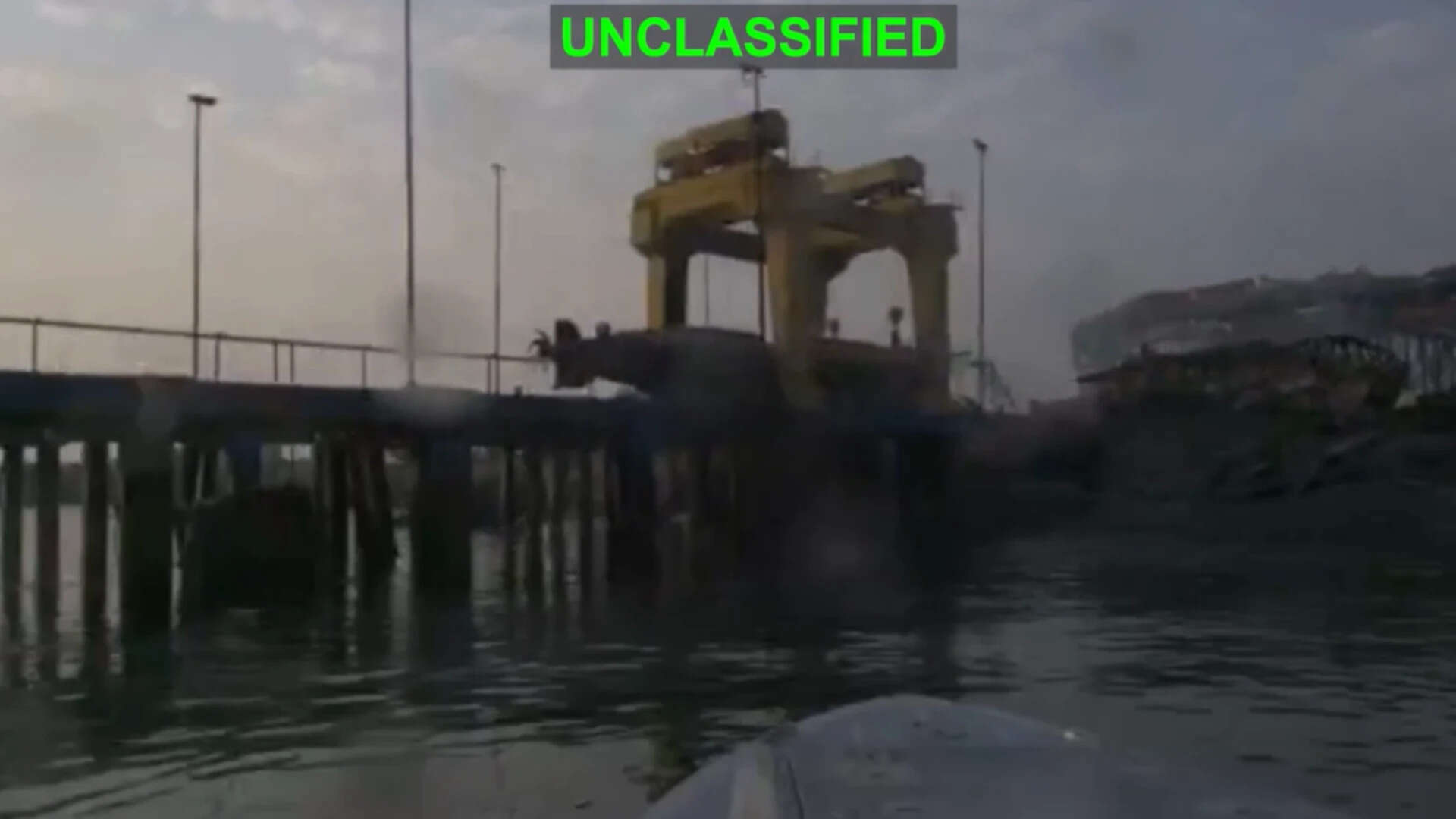
The United States has attacked the Iranian port of Bandar Abbas with three Corsair Unmanned Surface Vessels. This is the first time that the Americans have used these vessels in an offensive role. The USVs struck a key naval ship and submarine repair facility in the port. In the video released by US Central Command, which is conducting operations against Iran, a small submersible seems to be atop the repair facility. US Central Command released video of the Corsair USV attack on the Bandar Abbas facility, which included a submersible on the repair site. [1]
Capabilities of the Corsair USV
The Corsair, which means pirate or privateer, is built by US based Saronic Industries based in Austin Texas. The Corsair USV, built by Saronic Industries, has a range over 1,800 km, top speed of 65 kmph, and can carry a 450 kg payload. The Corsair, a remotely operated vehicle, has a range of a little over 1,800 km and a top speed of 65 kmph. This vessel can carry a payload of as much as 450 kg. US based website, The War Zone, claims that this is the same type of unmanned vessel that rescued the two crew members of the US Army's Ah-64 Apache helicopter that were forced to ditch their stricken aircraft in the Strait of Hormuz in June. Saronic industries was co-founded by an Indian origin man named Vibhav Altekar. Saronic makes other larger cargo USVs such as the Mirage and the Marauder. [1]
Escalation Over the Strait of Hormuz
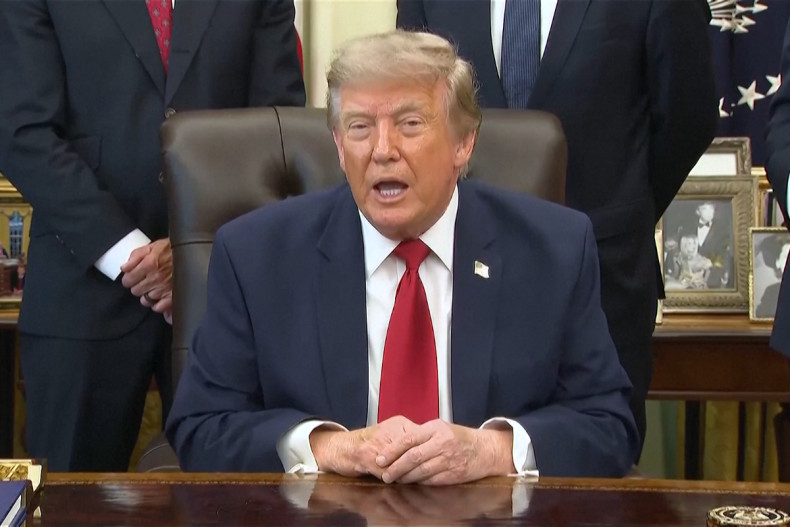
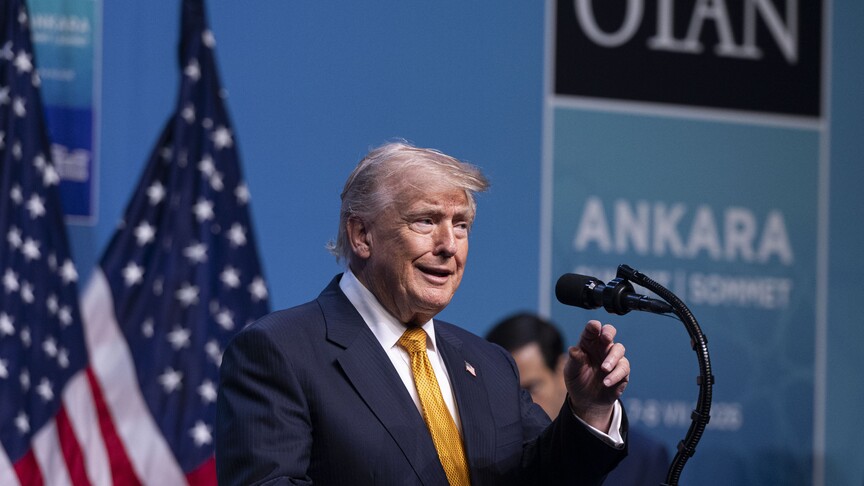
An American naval blockade against Iran will begin Tuesday at 22:00 Danish time, the US Navy’s information center announced Monday. This follows US President Donald Trump’s announcement on Truth Social that the US will reintroduce the blockade, which originally took effect on April 13 but was to be lifted under a mid-June framework agreement. The US Navy announced a naval blockade against Iran resuming Tuesday at 22:00 Danish time, following President Trump's declaration that the US will be guardian of the Hormuz Strait. The United States struck Iran on July 14 for a third day running, drawing Tehran's reprisals against US allies in the Gulf as the foes battle over the status of the strategic Strait of Hormuz. US strikes on Iran continued for a third day, with Iran responding by attacking US allies in the Gulf, including cruise missiles striking two Emirati tankers. On Monday, American President Donald Trump declared, in all caps, that his country would be the “guardian of the Hormuz Strait”, while adding that the blockade of Iran would resume. [3] [4] [5]
DP World Plans Alternative Gulf Route Amid Iran Tensions
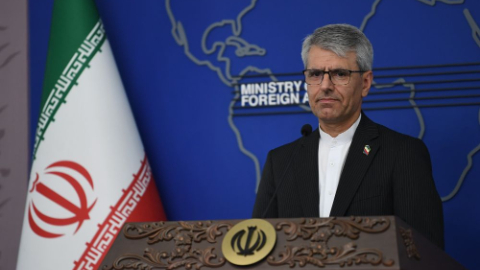
DP World, the global ports operator with a direct presence at Limassol port, is planning a new UAE east coast gateway that would allow cargo to bypass the Strait of Hormuz, as the war with Iran forces Gulf states to reconsider trade routes built around uninterrupted access to the waterway. DP World is planning a new multipurpose port and container terminal on the UAE's Fujairah coast to bypass the Strait of Hormuz, potentially completed in 18 months. According to an exclusive Financial Times report, the Dubai-based group is in talks to develop a new multipurpose port on the Fujairah coast, alongside a new container terminal at the emirate’s existing port. The proposed UAE facilities would deepen DP World’s presence on the Gulf of Oman and create an entry point outside Hormuz. Containers could be unloaded in Fujairah before travelling by road to Dubai, Abu Dhabi and neighbouring Gulf markets, avoiding the increasingly dangerous passage between Iran and Oman. A senior company official told the FT that the new port could be completed within 18 months, emphasising the speed with which Gulf governments and businesses are attempting to build alternatives to the strait. The urgency was reinforced by the latest traffic data, which showed that only six vessels crossed the strait on Sunday, the lowest number in five weeks, as renewed US-Iranian strikes and attacks on commercial ships intensified safety concerns. Oil and gas tanker traffic also fell to its lowest level since May 25. The risks escalated further on Tuesday when UAE authorities said Iranian cruise missiles struck two Emirati tankers, killing one sailor and injuring eight others. [2]
Broader Context of Unmanned Systems in Conflict
When drones first went on the offensive over the skies of Ukraine, they were thought of as a poor nation's weapon against a much larger and powerful enemy. The iconography was that of a feeble David taking on Goliath, a cheap shoulder fired rocket zip-tied to an off the shelf drone, standing in for a much expensive anti-tank guided missile. In the current conflict in West Asia, it is Iran that is launching drones at its neighbours, one aspect of this news is again that of cheap drones passing through expensive air defence systems, which till recently were boasting of the impressive numbers on their specification sheets. At the same time, unmanned systems are growing leaps and bounds in capability and autonomy, especially now with a booster shot of Artificial Intelligence. These systems are increasingly becoming more complex and importantly, as nations are moving towards non-contact warfare - a modern paradigm where a nation leverages technology and integrated power to neutralise, paralyse, or disrupt an adversary's capabilities from a distance, minimising or entirely eliminating physical engagement between opposing ground forces, basically the avoidance of large scale force on force combat that warfare has traditionally been seen as. The region has a history of using kamikaze USVs, with Iran's proxy the Houthis using these systems against commercial shipping. Iran too is reported to be in procession of Kamikaze USVs. Like in the case of most unmanned systems, the Ukrainians too have used these systems extensively in the Black Sea. Ukrainian USVs have sunk many Russian ships and Ukrainian media has also reported the shooting down of a Russian fighter aircraft using these craft. On the same day as this novel attack, similar to the ones carried out by Ukrainians in the past, the Ukrainians carried out a novel attack using autonomous systems against Russia. In this situation, the Ukrainians used an unmanned water craft to unload an unmanned ground vehicle on to beach, this exercise was guided by an unmanned aerial system. Once on the ground, the machine gun armed unmanned ground vehicle carried out an attack on an Russian position in yet another example of non-contact warfare and how unmanned and autonomous systems are changing the face of modern conflict. [1]
What to watch next: Traffic data through the Strait of Hormuz may continue to show low vessel crossings while DP World advances talks on the Fujairah facilities and the US naval blockade remains in effect.