Iran Tensions Ease as US and Tehran Agree to Ceasefire Covering Lebanon
As Iran tensions ease, the United States and Iran have reached a tentative agreement to end their war, including a ceasefire across all fronts that encompasses Lebanon, with the deal set for formal signing in Geneva on Friday and the reopening of the Strait of Hormuz.
US and Iran Reach Tentative Ceasefire Deal
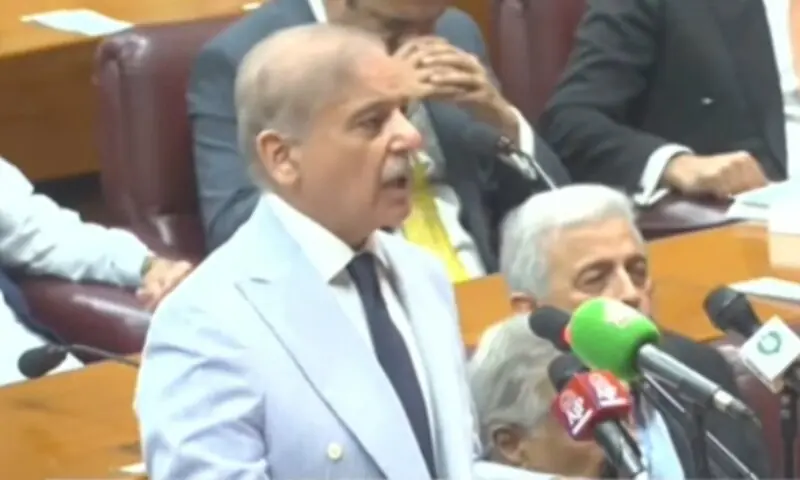
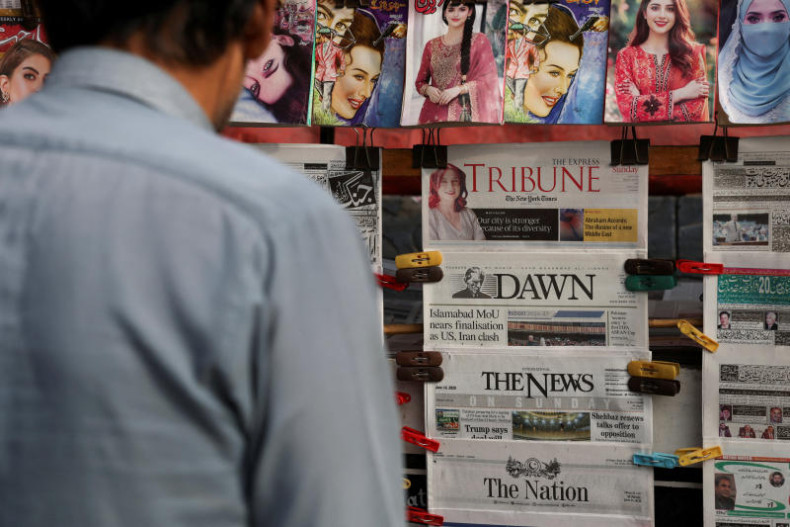
Pakistan mediated the US-Iran agreement announced on Sunday, which calls for the immediate and permanent termination of military operations on all fronts including Lebanon, according to Pakistani Prime Minister Shehbaz Sharif. [1] Details of the deal were not immediately released, but it appeared that it would not be implemented until it is signed, which mediator Pakistan said would happen on Friday in Geneva, Switzerland. [2] US President Donald Trump hailed the agreement on social media, saying he had authorized the Strait of Hormuz to open and the US blockade of Iranian ports to end, though he later said the strait would not open until Friday. [2] Iranian Deputy Minister of Foreign Affairs Kazem Gharibabadi confirmed the agreement on state television, but said Tehran would not start implementing it until it was signed. [2] World leaders from Europe to China welcomed the agreement. [2]
Lebanon Included in Ceasefire Terms
The agreement faces challenges as Israel, which is not a party to the deal, has defied it with officials stating they will not withdraw troops from Lebanon and will continue operations against Hezbollah if deemed necessary. [1] On Monday morning, people in Lebanon woke up to yet another ceasefire agreement that includes Lebanon according to Iranian and Pakistani officials. [1] Videos on Monday showed Lebanese people returning home to areas in the south of the country, though officials warned anyone from border villages not to return until the security situation becomes clearer. [1] Pakistan’s Prime Minister, Shehbaz Sharif, said the deal between the US and Iran announced “the immediate and permanent termination of military operations on all fronts, including in Lebanon”. [1] The announcement was welcomed by Lebanon’s President Joseph Aoun, who said that the Lebanese people were now looking forward to “these understandings being translated into practical steps that bring a definitive end to the cycle of violence and open the way to stability, security, recovery and reconstruction”. [1] Lebanon’s Parliament Speaker and close Hezbollah ally, Nabih Berri, praised the deal and various regional actors for their role in achieving it, including Pakistan, Qatar, Saudi Arabia and Egypt. [1]
Israeli Defiance Raises Doubts
Israeli Minister of Defense Israel Katz said that the country would not withdraw from land seized in Lebanon, where it is fighting the Iranian-backed Hezbollah militant group. [2] A spokesman in Israeli Prime Minister Benjamin Netanyahu’s office said the nation would continue to defend itself against any threat to its security. [2] “Prime Minister Benjamin Netanyahu and I are pursuing a clear policy of maintaining the Israeli army in the security zones in Lebanon, Syria and Gaza, without setting a time limit, in order to protect Israel’s borders and towns from jihadist elements,” Israel’s Defence Minister, Israel Katz, said on Monday. [1] “We oppose the withdrawal of the Israeli army from Lebanon, despite all current and future pressures.” [1] Analysts have expressed scepticism over the deal. “Netanyahu may come up with a lot of surprises, and he may have a power trip with Trump, where he tries to enforce his own terms of the deal,” Karim Safieddine, a non-resident fellow with the Tahrir Institute, told Al Jazeera. [1] Political analyst Qassem Kassir said he felt that the new ceasefire was different and that the larger war was over, however he maintained there is still work to be done before normal life can resume in Lebanon. [1]
Strait of Hormuz Reopening and European Naval Plans
Implementation of the deal, including reopening the Strait of Hormuz, is pending the Friday signing in Geneva; full restoration of global energy flows could take months due to infrastructure damage. [2] Even if the strait fully opens then, it would likely take months for the global energy crisis sparked by its closure to ease. [2] France and Britain are pushing plans for a multinational naval mission to safeguard shipping through the Strait of Hormuz if a US-Iran ceasefire materialises, although it is doubtful whether Tehran would be prepared to accept any such operation. [4] French Minister for Europe and Foreign Affairs Jean-Noel Barrot said the European-led initiative, discussed with his Iranian counterpart Abbas Araqchi last week, has been in preparation for weeks among about a dozen militaries and would include minehunters, warships and air surveillance assets. [2] “It is already ready,” Barrot said on arrival at an EU foreign ministers’ meeting in Luxembourg. [2] Iran has expressed strong opposition to any foreign military presence in the Strait of Hormuz, including a proposed European-led naval mission for mine-clearing and safeguarding shipping. [2] “Any presence of foreign countries, whether to safeguard shipping or clear mines, is unacceptable… This is a trick to bring naval forces to the strait, and it will not be accepted,” a senior Iranian official said. [2] A second Iranian security official said Tehran had “zero trust in foreign countries” and insisted control of the strait rests with Tehran and, to some extent, Oman. [2]
Global Economic Impact and IMF Assessment
The IMF welcomed the ceasefire but warned that energy supply disruptions will take time to resolve, with risks to global growth particularly affecting energy-import dependent countries in Africa and Asia. [3] The International Monetary Fund chief on Monday welcomed the ceasefire agreement between the United States and Iran, but warned it would take time for energy and other supply disruptions to dissipate. [3] “As we have said before, much depends on the duration and intensity of the energy supply shock,” Kristalina Georgieva wrote in a post on the Fund's website. [3] “The sooner it is resolved, the better - especially as supply will take time to recover given the significant infrastructure damage - and Sunday's ceasefire announcement is welcome.” [3] Georgieva also announced that the Fund would be releasing an update to its World Economic Outlook on 8 July. [3] Georgieva reiterated that there remained “a clear risk to global growth” from the conflict, and warned that there were “significant disparities” on its impacts. [3] “It is the countries that combine heavy reliance on energy imports with limited policy space that are especially hard-hit,” she said, adding that the strain was visible in Africa. [3] She cited fuel shortages in Ethiopia, Malawi and Zambia, with high fuel prices threatening consumers in Lesotho, Rwanda and Tanzania. [3] Emerging market economies in Asia have also been hard hit, with retail prices of gasoline increasing by 40 percent since the war began, she said. [3] Georgieva said the Fund was prepared to offer financial support to member countries, but that most governments had so far asked for policy guidance rather than cash bailouts. [3]
Unresolved Challenges and Path Forward
The agreement also faces other major challenges. [2] It gives just 60 days to decide what to do about Iran’s stockpile of highly enriched uranium and its nuclear program. [2] Despite the uncertainties, world leaders from Europe to China welcomed the agreement. [2] French President Emmanuel Macron, who is hosting Trump and other world leaders at a G7 summit this week, said France and other Western partners are “ready to take action very quickly” to help restore normal shipping traffic to the strait — once the US and Iran agree to such a mission. [2] Analysts have expressed scepticism over the deal’s durability given Israel’s position. [1] “No one trusts the US or Israel,” Kassir said, adding that for Lebanon to have long-lasting and permanent security, it still needed “Israel’s withdrawal, a return of people to their villages” and a defence plan that has national consensus. [1]
What to watch next: A preliminary US-Iran accord is expected to be signed in Geneva on Friday, with G7 leaders gathering in the French Alps from Monday to discuss related steps including reopening the strait without tolls.