
Iran Tensions Ease as US and Tehran Agree to End War with Friday Signing
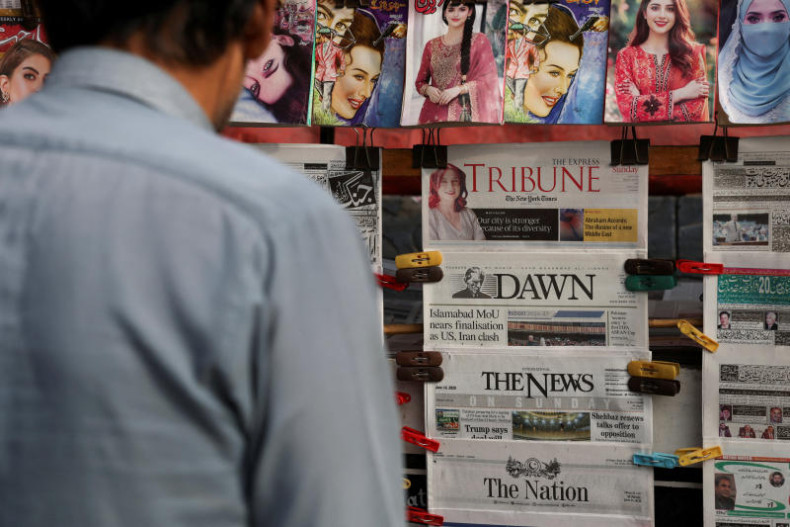
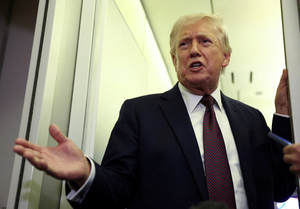
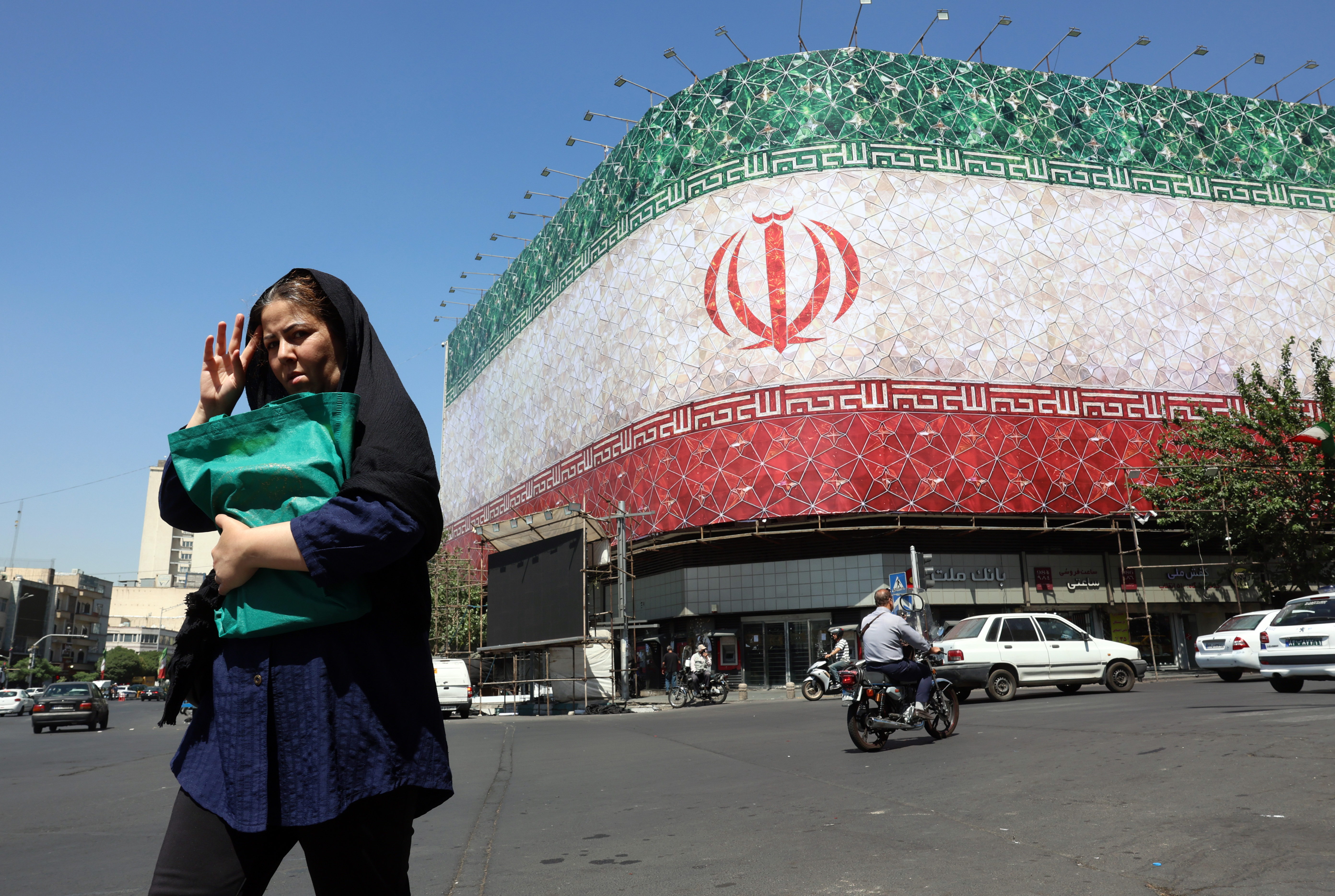
The United States and Iran have reached a preliminary agreement to end their war amid easing Iran tensions, with a memorandum of understanding scheduled to be signed on Friday in Switzerland that includes the immediate and permanent termination of military operations on all fronts, including Lebanon, and the reopening of the Strait of Hormuz. [1] U.S. President Donald Trump wrote on his Truth Social platform that “The Deal with the Islamic Republic of Iran is now complete.” [1] Pakistani Prime Minister Shehbaz Sharif announced the deal had been struck, with mediators including Qatar, Saudi Arabia and Turkiye contributing; the signing follows pre-implementation discussions this week. [2]
Announcement of the Preliminary Agreement
U.S. President Donald Trump stated on Sunday that the deal with Iran is now complete. [1] Pakistani Prime Minister Shehbaz Sharif announced early on Monday local time that the Peace Deal between the United States of America and Islamic Republic of Iran has been reached. [2] Sharif said both sides have declared the immediate and permanent termination of military operations on all fronts, including in Lebanon. [2] The memorandum of understanding is scheduled to be officially signed on Friday, June 19, in Switzerland. [2] In a statement, the secretariat of Iran’s Supreme National Security Council said war and military operations on all fronts, including Lebanon, would end permanently starting on Monday night. [1] Iran’s deputy foreign minister, Kazem Gharibabadi, said the deal put an immediate end to the countries’ war and that they would hold talks within two months to seek a final agreement. [2] Sharif added that mediators would facilitate a series of meetings this week to lay the foundation for the technical talks and the official signing ceremony. [2]
Key Provisions on Military Operations and the Strait of Hormuz
Trump said the Strait of Hormuz, a major shipping route for global oil and gas supplies that Iran has effectively shut down for months, would open on Friday, and that he had ordered the end of the U.S. blockade of Iranian ports. [1] Trump wrote, “Ships of the World, start your engines. Let the oil flow!” [2] The agreement halts the US blockade of Iranian ports, allows the release of frozen Iranian assets, and sets a 60-day ceasefire period for further negotiations on sanctions relief and the fate of Iran's nuclear program. [2] A senior Iranian official told Reuters that under the terms of the draft, the United States would agree to release $25 billion of frozen Iranian assets. [1] Iran’s Mehr news agency reported that the US will release $12 billion in frozen assets to Iran before the start of negotiations and quoted a 14-point memorandum of understanding stipulating the release of 24 billion dollars in frozen Iranian assets during the 60-day negotiation period. [2] Sharif said the pact called for the immediate and permanent termination of military operations on all fronts, including in Lebanon. [1] Gharibabadi hailed what he called his country's military achievements as he confirmed that the Memorandum of Understanding had been signed. [4]
Market Reactions and Economic Impact
Oil prices fell sharply on the news, with Brent crude futures dropping 4% and US West Texas Intermediate sliding more than 4.6%, while Asian stock markets jumped. [1] Brent crude futures fell 4% in early trading on Monday, while U.S. West Texas Intermediate slid more than 4.6%. [2] The conflict since February 28 has killed thousands, mostly in Iran and Lebanon; Iran blockaded the Strait of Hormuz and struck Israel and Gulf states, while the US and Israel attacked Iranian targets. [1] For South Korea, which imports virtually all of its crude oil with roughly 70 percent originating from the Middle East and much of it transported through the Strait of Hormuz, the reopening is expected to reduce the risk of supply shortages, ease shipping delays and lower war-risk insurance premiums and freight rates. [5] Brent crude fell to around $87 per barrel and West Texas Intermediate dropped to around $84 per barrel after the announcement. [5] Ships carrying crude oil have been stranded in the Persian Gulf for more than three months. [5]
Path to Further Negotiations
Iran’s deputy foreign minister Kazem Gharibabadi said a more expansive agreement would be negotiated during a 60-day ceasefire period, including sanctions relief for Iran. [1] The fate of Iran’s nuclear program will also be addressed in those later talks. [1] Republican Senator Lindsey Graham said any nuclear deal with Iran will be sent to Congress for review and a vote. [1] During his first term, Trump withdrew the U.S. from a 2015 multilateral Iran deal that lifted sanctions on Tehran in exchange for limits on its nuclear program. [2] Iran responded by ramping up its enrichment of uranium, producing more than 400 kg of material at close to bomb-grade purity. [1] A U.S. official said the agreement would ultimately lead to the dismantling of Iran’s nuclear program, with its stockpile of highly enriched uranium to be destroyed and removed. [1] The senior Iranian official said the draft deal would allow Iran to dilute its enriched uranium inside the country. [1]
Israeli Position and Regional Tensions
Israeli Prime Minister Benjamin Netanyahu has not reacted; Israel is not a party to the talks and has continued operations in Lebanon, which drew criticism from Iran and Trump, who called Netanyahu 'a very difficult guy'. [1] Trump updated Netanyahu on the progress toward a peace deal during a phone call on Sunday. [2] In an interview with the New York Times, Trump called Netanyahu “a very difficult guy” and argued the Israeli leader should thank him for saving Israel from a nuclear-armed Iran. [1] The agreement was sealed despite an Israeli strike on Lebanon on Sunday that drew criticism from both Iran and Trump. [2] Prime Minister Benjamin Netanyahu has differed with Trump over American demands that Israel curb its military action in Lebanon. [1] Israel has said it will retain freedom of operations in Lebanon, while Iran has made a full ceasefire there an important component of its demands. [2] It is unclear if the agreement will provide a respite to Lebanon, where two recent ceasefires have failed to take hold. [4]
International Reactions
International reactions welcomed the deal, with the UN, E4 nations (UK, France, Germany, Italy), Australia, Japan, New Zealand and others calling for full implementation, nuclear limits, and restored navigation in the Strait of Hormuz. [3] A spokesperson for U.N. Secretary-General Antonio Guterres said the Secretary-General welcomes the announcement that the United States and Iran have agreed on a peace deal that provides for an immediate and permanent ceasefire, the reopening of the Strait of Hormuz, as well as a framework for further negotiations. [3] In a joint statement, the United Kingdom, Germany, France and Italy said they were prepared to lift sanctions on Iran in response to clear, verifiable steps to limit its nuclear program. [1] British Prime Minister Keir Starmer said toll-free freedom of navigation must now be restored in the Strait of Hormuz and that Iran must never have a nuclear weapon. [3] Australian Prime Minister Anthony Albanese welcomed the agreement and said continued restraint and constructive engagement will be essential to prevent further escalation. [3] Japanese Prime Minister Sanae Takaichi said Japan strongly hopes that free and safe navigation through the Strait of Hormuz will be ensured in practice and that a final agreement on Iran's nuclear issue and other matters will be reached as soon as possible. [3] New Zealand Foreign Minister Winston Peters called the deal a pivotal, constructive step towards reducing tensions and promoting stability. [3]
What to watch next is whether the 60-day ceasefire leads to a final agreement on sanctions relief and the fate of Iran’s nuclear program, including the stockpile of highly enriched uranium, and whether Israel ends its operations in Lebanon as called for in the memorandum of understanding.