
Iran Tensions End as US and Iran Agree to Halt All Military Action
The United States and Iran have reached an agreement to immediately and permanently end military action on all fronts, including in Lebanon, easing Iran tensions with a formal signing ceremony scheduled for Friday in Geneva hosted by Pakistan, and the Strait of Hormuz set to reopen. [1][2][5]
US and Iran Announce End to War
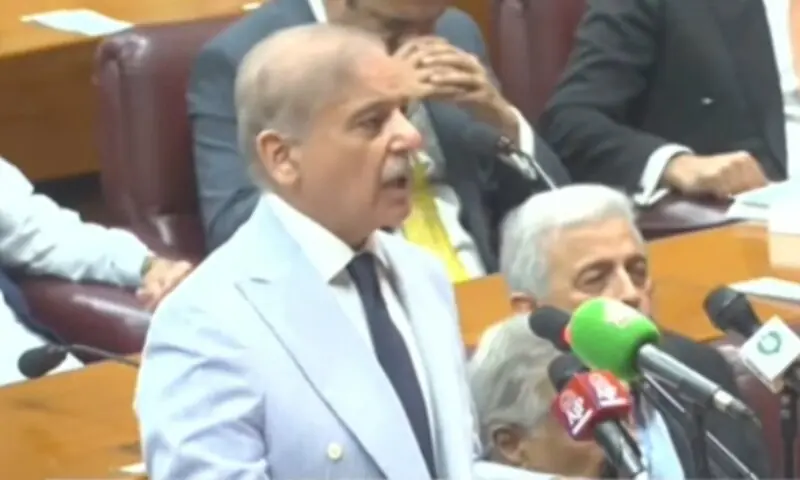
Pakistan's Prime Minister Shehbaz Sharif announced the deal as a historic milestone of peace after three months and 16 days of efforts, describing it as a success of dialogue rather than just between two countries. [1] The premier said that a new dawn had emerged as both sides declared an immediate and permanent end to military action, including in Lebanon. [1] The signing ceremony of this historic agreement will be held on Friday, June 19, in Geneva, with Pakistan hosting the ceremony. [1][5] US President Donald Trump confirmed the deal on Truth Social. [2] Iran's deputy foreign minister Kazem Gharibabadi stated a broader deal including sanctions relief would be negotiated during a 60-day ceasefire, with implementation starting only after Friday's signing. [2][3] The agreement followed talks with Qatar as another mediator. [3] Qatari mediators left Tehran following 17 hours of negotiations. [3] Separate preparatory meetings with each side will take place in Doha this week. [3]
Reopening of Strait of Hormuz
US President Donald Trump confirmed the deal on Truth Social, authorizing the toll-free opening of the Strait of Hormuz and removal of the US naval blockade once signed, while celebrating with the phrase "Let the oil flow!" [2] The Strait of Hormuz will not be reopened until after the formal signing of the agreement on Friday due to necessary mine clearance work. [5] France's president said that a military mission set up by Paris and Britain to help with Strait of Hormuz traffic was ready to deploy. [4] The United Kingdom Prime Minister Keir Starmer called the deal a "hugely important" step in ending the war and said "toll-free freedom of navigation must now be restored in the Strait of Hormuz" as he offered to support mine clearance operations if needed. [2] Germany, France, Great Britain, and Italy declared their readiness to support the resumption of shipping in the Strait of Hormuz following the agreement, including a purely defensive, independent mission to encourage merchant shipping and to carry out mine clearance. [4][5]
Global Reactions to the Deal
Pakistan's Prime Minister Shehbaz Sharif announced the deal as a historic milestone of peace after three months and 16 days of efforts. [1] Qatar's Ministry of Foreign Affairs expressed its appreciation for the determination of both the American and Iranian sides and their commitment to moving forward in resolving differences through negotiations and peaceful means. [2] Türkiye's President Recep Tayyip Erdogan posted on X that he viewed the agreement as an important development for establishing peace and tranquillity in the region. [2] United Nations Secretary-General Antonio Guterres praised the deal as a "critical step" towards a "peaceful settlement of the conflict". [2] United Kingdom Prime Minister Keir Starmer called the deal a "hugely important" step. [2] France President Emmanuel Macron called for the "urgent and unconditional reopening of the Strait of Hormuz". [2]
Israel's Stance and Potential Challenges
Israel's Defense Minister Israel Katz said Israel will not withdraw from land seized in Lebanon, Syria, and Gaza, and is not bound by the deal, while threatening strong retaliation if Iran attacks over strikes in Lebanon. [3] Israel's far-right national security minister, Itamar Ben Gvir, has denounced the US-Iran deal, insisting his country was not bound by it. [4] Israel joined the U.S. in launching the war on Feb. 28. [3] Over the past 2 1/2 years, Israel has taken control of areas in Gaza, Lebanon and Syria amounting to 1,000 square kilometers of territory. [3] Israel bombed Beirut's southern suburbs on Sunday. [3] Israel's continued hostilities with the Iranian-backed militia Hezbollah in Lebanon nearly derailed the negotiations. [3]
Next Steps on Nuclear Issues and Ceasefire
Iran's deputy foreign minister Kazem Gharibabadi stated a broader deal including sanctions relief would be negotiated during a 60-day ceasefire. [2] The deal gives just 60 days to resolve what to do about Iran's stockpile of highly enriched uranium and its atomic program. [3] Broader negotiations on outstanding issues like Iran's nuclear program would continue over the next 60 days. [3] If the sides fail to reach a resolution within that time, the timeline could be extended. [3] The framework agreement is an interim step and is intended to serve as a starting point for in-depth talks between Washington and Tehran. [5] The US would immediately release a portion of the frozen Iranian assets. [5] Iran's Mehr news agency reported that the US will release $12 billion in frozen assets to Iran before the start of negotiations. [4]
Market and Economic Impact
The announcement brought relief at market opening on Monday. [4] Oil prices plunged more than four percent in Tokyo, and Japan's Nikkei stock index jumped three percent. [4] The blockade of the Strait of Hormuz has had a worldwide economic impact, from inflated gas prices that have fuelled inflation in the US and many other countries and congested supply chains for goods like fertiliser key to food production in areas far beyond the Middle East. [4]
What to watch next: The official signing ceremony is scheduled for Friday, June 19, in Geneva, with broader negotiations on Iran's nuclear program and sanctions relief set to begin during the 60-day period that follows.