
Iran Tensions Ease as Trump Cancels Strikes and Announces Ceasefire Deal
US President Donald Trump announced the cancellation of planned strikes on Iran after reaching a ceasefire deal that includes ending fighting in Lebanon, reopening the Strait of Hormuz, and unfreezing $12 billion in Iranian funds, though Tehran has stated no final decision has been made. The announcement comes amid easing Iran tensions, with the draft agreement approved in concept by multiple parties yet still awaiting final Iranian approval.
Trump Announces Ceasefire and Cancelled Strikes
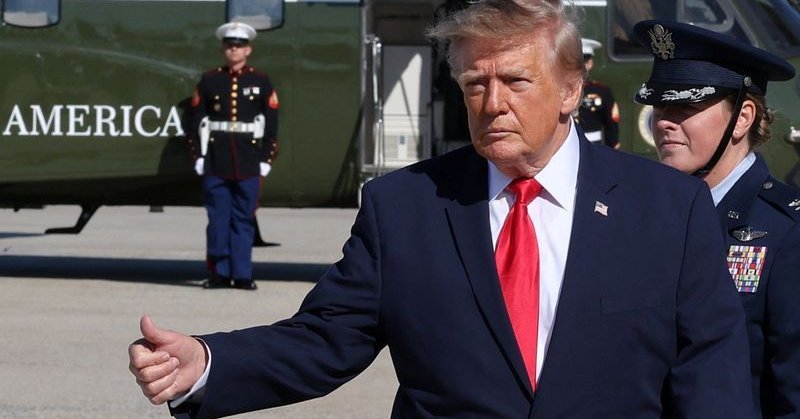
US President Donald Trump announced on Thursday night that he had canceled scheduled strikes and bombings against Iran after a deal with Iran had been agreed upon. [1] The deal, also known as a memorandum of understanding, was approved both in concept and great detail by all involved parties, including the US, Israel, Saudi Arabia, the United Arab Emirates, Qatar, and multiple other Middle Eastern countries. [1] Trump stated the United States had ended its war with Iran and secured a major agreement preventing Tehran from obtaining nuclear weapons. [3] Speaking remotely at a campaign event in the US state of Georgia, Trump described the outcome as a great settlement that ends the war. [2] No date was given for the signing, but Trump said it could happen over the weekend in Europe, with US Vice President JD Vance set to attend. [1] Iranian authorities have not confirmed any final deal. [3]
Key Terms of the Draft Agreement
The full ceasefire deal between the United States and Iran will include the initial unfreezing of 12 billion dollars in funds for Iran. [1] A draft of the deal is still waiting for Iranian officials' approval. [1] As part of the deal, the US will remove sanctions on Iranian oil and petrochemical products, allowing Iran full access to its frozen assets. [1] The total amount of funds is 24 billion dollars, with half of that amount being released to Iran before further talks may begin. [1] The deal only specifies that there will be a 60-day negotiation period to establish a final nuclear agreement. [1] Among other concessions made as part of the deal, the US will agree to not intervene in internal Iranian affairs and remove its forces from areas near Iran. [1] Iran says that the United States in a draft of the letter of intent agrees to ease sanctions against Iran and withdraw military forces from the area. [4] The latest negotiations will deal with nuclear issues and economic issues, according to Mehr. [4]
Reopening of the Strait of Hormuz
The blockade of the Strait of Hormuz would be lifted and the strait would be fully reopened within 30 days of the deal's signing. [1] Despite Iran’s announcement of a blockade of the Strait of Hormuz, the United States says the strategic waterway remains open to shipping. [5] The US Central Command said commercial vessels continue to transit the waterway and confirmed that safe navigation corridors remain in place. [5] Iran’s Persian Gulf Strait Authority announced the closure of the strait on Thursday, citing escalating tensions following recent US military actions. [5] Iranian armed forces warned that any vessel violating the blockade could be targeted. [5] Maritime monitoring data suggests traffic has not completely stopped, and satellite imagery and shipping analysis indicate that several vessels have continued to move through the strategic passage despite the heightened security risks. [5] President Donald Trump announced that a deal aimed at ending the conflict with Iran could be finalized within days and added that the reopening of the Strait of Hormuz would follow immediately once the deal is completed. [5]
Iran's Response and Cautious Stance
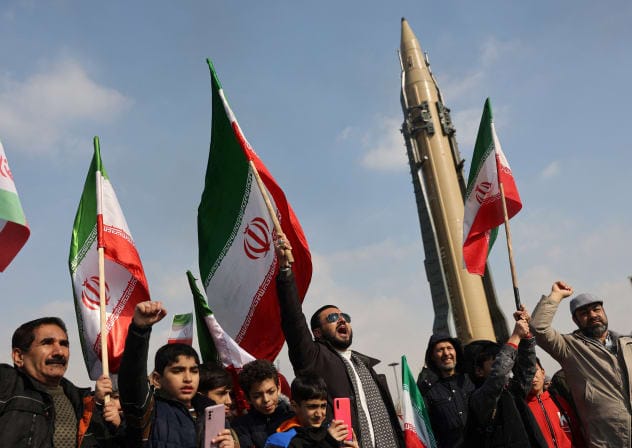
Tehran said it had not reached a final decision on an agreement with Washington. [2] Iranian Foreign Ministry spokesman Esmaeil Baghaei said discussions were ongoing and that reports of a completed deal remained speculative. [5] He acknowledged that mediators from Qatar and Pakistan were actively involved but stressed that Iran would not compromise on what it considers its core national interests. [5] Baghaei also reiterated that the Strait of Hormuz remains closed from Iran’s perspective due to what he described as unlawful actions by the United States. [5] Iranian officials described reports of a completed deal as speculative. [2] While diplomatic efforts gain momentum, military rhetoric remains intense on both sides. [5] Iran’s Defense Ministry warned that any new attack against the country would trigger a stronger response than previous confrontations. [5] Military officials accused Washington of fueling instability across the Middle East and pledged to defend Iran’s sovereignty against any future aggression. [5]
Exclusions from Negotiations
Iran's ballistic missile program, as well as its support for proxy groups across the Middle East such as Hezbollah, will not be included in the negotiations, according to Mehr. [1] Israel has expressed support for negotiations but insists that any final settlement must address Iran’s nuclear programme, missile capabilities and support for armed regional groups. [5] The agreement involves the US agreeing not to intervene in internal Iranian affairs and to remove its forces from areas near Iran. [1] The United States has rejected Iran’s claim that it has effectively closed the Strait of Hormuz. [5] Washington maintains that Iran has no authority to control international navigation through the strait and insists lawful commercial shipping remains free to pass. [5] CENTCOM confirmed that American forces recently struck multiple vessels accused of breaching US-imposed restrictions. [5]
Next Steps and International Approval
The final agreement will be approved by the United Nations Security Council. [1] Trump said the agreement is in its final stages and could be formally signed during a ceremony in Europe over the weekend. [5] The deal has been approved in concept by the US, Israel, Saudi Arabia, the UAE, Qatar and other Middle Eastern countries. [1] Global markets watch closely as the fate of the Strait of Hormuz remains a major concern for international markets. [5] The narrow waterway serves as a vital route for global energy supplies, and any prolonged disruption could have significant consequences for oil prices, shipping costs and economic stability. [5]
What to watch next: The coming days may determine whether the region moves toward de-escalation or another dangerous phase of confrontation, with mediators from Qatar and Pakistan remaining actively involved in ongoing discussions.