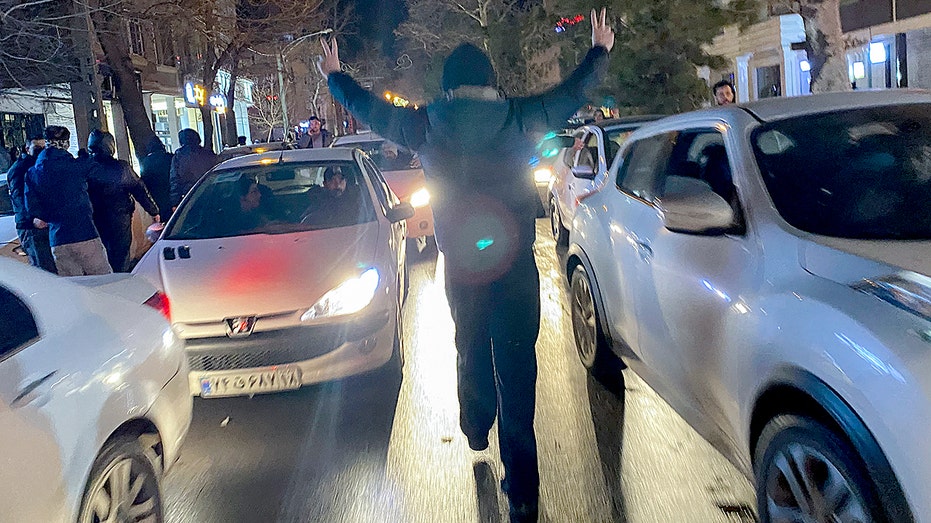

Iran Teeters on Edge of Chaos: Protests Escalate Nationwide with Foreign Ministry Support and Security Crackdown
TEHRAN, Iran — Nationwide protests in Iran, which began on January 2, 2026, have intensified dramatically, with demonstrators attempting to seize control of two major cities while appealing for international intervention from U.S. President Donald Trump. In a highly unusual development, Iran's Foreign Ministry has publicly expressed support for the ongoing protests, signaling a potential fracture within the government amid severe civil unrest rated as high severity by monitoring services.
The demonstrations, initially sparked by unspecified grievances, have spread across multiple cities, drawing a heavy-handed response from Iranian security forces. Reports indicate that forces attacked a hospital in Ilam province, firing tear gas at wounded protesters inside the facility. This escalation occurred as of January 7, 2026, underscoring the volatile atmosphere gripping the Islamic Republic.
Escalation and Security Response
According to reports from Fox News, protesters have mobilized aggressively, moving to "take" two unidentified cities in a bid to challenge state authority. The appeal to Trump, who assumed office in January 2025 following his election victory, reflects protesters' hopes for external pressure on the Iranian regime, possibly invoking U.S. policies of "maximum pressure" sanctions reinstated during his first term.
Security forces' actions have been particularly brutal in Ilam province, where paramilitary units stormed a hospital treating injured demonstrators. Tear gas was deployed directly at patients and medical staff, exacerbating casualties amid already widespread clashes. Nationwide demonstrations have paralyzed parts of several urban centers, with protests reported in Tehran and other key locations. The Foreign Ministry's endorsement of these protests—described as a "significant political stance"—adds layers of complexity, potentially indicating internal divisions or a strategic pivot by hardliners or reformists within the establishment.
No official casualty figures have been released by Iranian state media, but independent monitors and eyewitness accounts suggest dozens injured and several deaths from the crackdown. Internet blackouts, a common tactic during past unrest, have been reported, limiting real-time verification.
Background on Iran's Protest Cycles
Iran has a long history of civil unrest, often triggered by economic hardship, corruption allegations, and social restrictions. The 2022 protests following the death of Mahsa Amini in morality police custody marked one of the largest challenges to the regime in decades, resulting in over 500 deaths according to human rights groups like Amnesty International. Economic woes persist, with inflation exceeding 40% in recent years, youth unemployment above 25%, and crippling U.S. sanctions biting deeper under renewed Trump administration measures.
The current wave, starting January 2 at 07:26 GMT, aligns with broader regional tensions. Iran's proxy conflicts in Gaza, Lebanon, and Yemen have strained resources, while direct confrontations with Israel—including missile exchanges in 2024—have heightened domestic discontent. The Foreign Ministry's support for protests is unprecedented; typically, officials condemn demonstrations as foreign-orchestrated plots. Spokesman Nasser Kanaani's statements, if confirmed, could signal regime infighting or an attempt to co-opt the movement.
Past protests, such as the 2019 "Bloody November" fuel price hikes and 2009 Green Movement election disputes, saw similar escalations met with lethal force. The 1979 Islamic Revolution itself began as protests against the Shah, toppling a monarchy— a historical parallel not lost on current demonstrators.
International Reactions and Appeals
The protesters' direct appeal to Trump highlights shifting geopolitics. During his first presidency (2017-2021), Trump withdrew from the 2015 nuclear deal (JCPOA) and imposed sanctions that halved Iran's oil exports. Campaign rhetoric in 2024 suggested even tougher stances, including potential military options. U.S. State Department spokespeople have yet to comment specifically on the Ilam hospital incident or city seizures, but Secretary of State Mike Pompeo II reiterated support for "Iranian people seeking freedom."
European Union foreign policy chief Josep Borrell called for restraint, urging dialogue. Neighboring states like Saudi Arabia and Israel have remained silent officially, though analysts note quiet satisfaction at Tehran's internal woes.
Outlook Amid Uncertainty
As protests enter their second week, the dual dynamics of Foreign Ministry backing and security force aggression raise questions about regime cohesion. Will the ministry's stance embolden demonstrators or provoke a purge of moderates? Economic pressures, including a rial at record lows against the dollar, could fuel further mobilization.
Iran's Supreme Leader Ayatollah Ali Khamenei has not addressed the unrest publicly as of January 7, but state television broadcasts continue to frame protests as minor disturbances. With protesters eyeing city control and international eyes watching, Iran risks a tipping point reminiscent of its revolutionary past. Global markets, already jittery from Middle East volatility, await clarity on oil flows through the Strait of Hormuz.
(Word count: 682)






