Iran Strikes US Bases in Kuwait Bahrain and Jordan After American Airstrikes
Iran strikes on US bases in Kuwait, Bahrain, and Jordan followed US airstrikes on Iranian air defense, ground control, and radar sites near the Strait of Hormuz. The exchanges came after the downing of a US Army Apache helicopter, with Iranian forces using long-range missiles and Shahed-136 drones against specific targets claimed by the IRGC.
Iran Retaliates Against US Bases
Iran’s Revolutionary Guard Corps claimed attacks on the Ali Al Salem Air Base in Kuwait, four sites including F-35 hangars at the US al-Azraq base in Jordan, and the US Fifth Fleet headquarters in Bahrain. [1] The IRGC said the targets in Jordan included F-35 fighter jet hangars and a command-and-control center, and it warned it was ready to deliver a crushing and decisive response to any further US attack. [1] Iranian state media reported that Shahed-136 one-way attack drones were launched against the Fifth Fleet base in Bahrain at around 2:30 am local time. [4] The IRGC also said its Aerospace Force launched long-range solid-fuel missiles at the airbase in Jordan as part of a wider retaliatory operation targeting US military assets across the region. [4] Missile warning sirens sounded in Bahrain after Iran claimed it had targeted the island nation, and over 16 explosion sounds were heard there according to reports. [4]
US Airstrikes on Iranian Sites
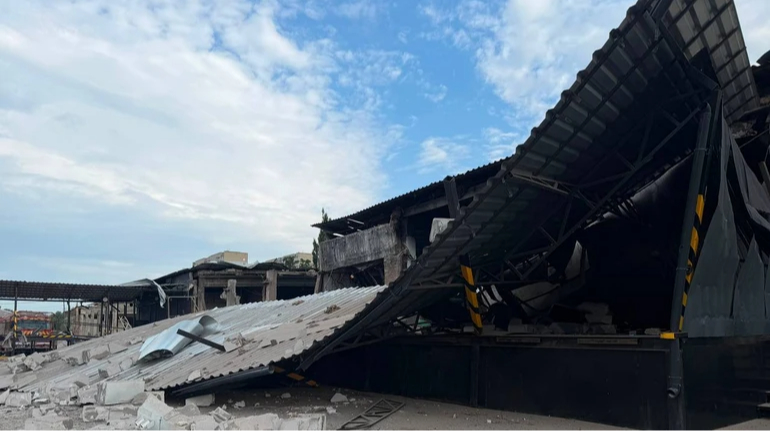
The US strikes on Tuesday targeted sites near the Strait of Hormuz in response to the downing of a US Army Apache helicopter, which CENTCOM described as a proportional self-defense action. [1] CENTCOM announced that American forces struck Iranian air defense, ground control stations, and surveillance radar sites near the Strait of Hormuz, describing the operation as self-defense strikes and a proportional response to unjustified Iranian aggression. [1] Fighter jets from the US air force and navy carried out the strikes using precision-guided weapons under the direction of President Donald Trump. [3] The US military said the strikes focused on air defense, ground control stations, and surveillance radar sites, and it described the operation as a proportional response to recent attacks on US forces and international commercial ships. [3] Iranian state media reported explosions heard on Qeshm Island in the Strait of Hormuz before saying the wave of American attacks in the south had subsided. [2]
Apache Helicopter Incident
The US strikes were in retaliation for the downing of a US Army Apache helicopter over the Strait of Hormuz, according to CENTCOM. [1] Trump said Iran had shot down the aircraft while it was on patrol over the strait and declared that the US must respond to this attack. [2] The Army AH-64 Apache attack helicopter went down after colliding with an Iranian drone, according to a US official who spoke on condition of anonymity. [2] In the first known operation of its kind by the American military, a drone boat rescued two aviators at 3:30 a.m. local time Tuesday, about two hours after their aircraft went down during a patrol off the coast of Oman. [2] The US service members were spotted and picked up by a drone boat that took them to another location on the water, where they were picked up by a helicopter, said Capt. Tim Hawkins, a spokesman for US Central Command. [2] Trump said both service members are safe and uninjured. [2]
Interceptions and Lack of Damage
Nearly all Iranian missiles and drones were intercepted with no reported US casualties or base damage, according to US officials cited by media. [1] A US official said that while Iran launched multiple missiles and drones at various US bases in the Middle East, nearly all were intercepted and there have been no reports of US casualties or damages to the bases from the attacks. [1] Axios Global Affairs Correspondent Barak Ravid cited a US official as saying that four ballistic missiles and several more drones were fired by Iran at US bases in Bahrain, Kuwait, and Jordan. [1] The New York Times cited a US official confirming the interceptions and lack of damage or casualties. [1]
Impact on Ceasefire Efforts
The exchanges have further strained a two-month ceasefire between the US and Iran, amid ongoing regional tensions including Israel-Hezbollah fighting. [1] The downing of the helicopter and the strikes by the US military further strained a two-month ceasefire a day after Iran and Israel exchanged fire for the first time since the fragile truce took effect. [2] Since the US and Israel began striking Iran on Feb. 28, the war has shaken the global economy, driven up energy prices around the world and made many basics, including food, more expensive. [2] Officials have been unable to turn the April ceasefire into a deal to permanently end the conflict, particularly as Israel intensifies and expands its military campaign in Lebanon against the Iranian-backed militia Hezbollah. [2] The development came a day after Iran and Israel exchanged fire for the first time since the fragile truce took effect, with Iranian state television reporting that Israeli attacks killed at least two members of the country’s air-defense units. [3]
Iranian Warnings and Statements
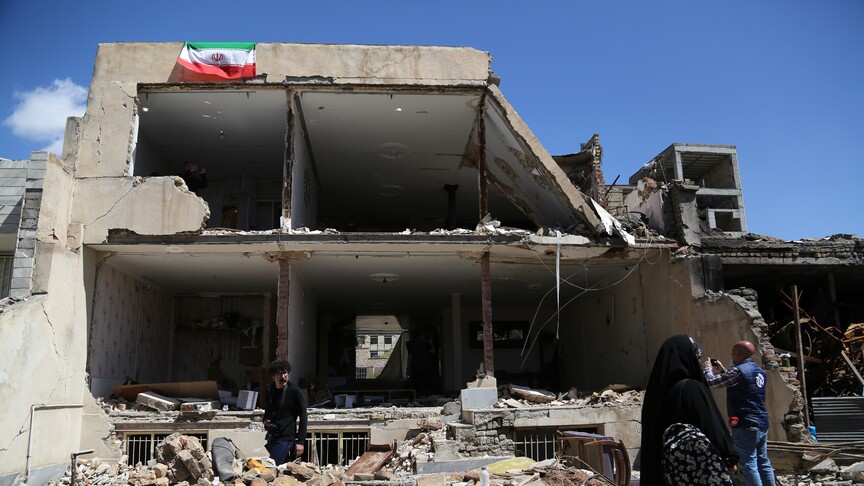
Iranian Foreign Minister Abbas Araghchi warned that foreign forces near Iran are at risk and vowed to leave no attack unanswered, urging them to leave the region. [1] Araghchi said foreign military forces near its territory are at constant risk and later vowed that there would be a response to the new US strikes. [2] Iranian forces will leave no attack or threat unanswered, Araghchi said on the social platform X, adding leave our region if you want to be safe. [2] The IRGC said the operation was a response to US strikes on the Iranian cities of Jask, Sirik and Qeshm, and it alleged that the attacks damaged civilian infrastructure along Iran’s southern coast. [4] The IRGC warned Washington against further military action and said stronger action would follow if attacks continued. [4] Iran’s top diplomat said the strait is thousands of miles away from US shores and that foreign forces in proximity to Iranian territory are at constant risk on account of their own human errors, plain accidents, or potentially being caught in crossfire. [2]
What to watch next: Mediators led predominantly by Pakistan continue efforts to secure a permanent deal, while Israel expands operations in Lebanon against Hezbollah and issues evacuation warnings for areas such as Tyre.