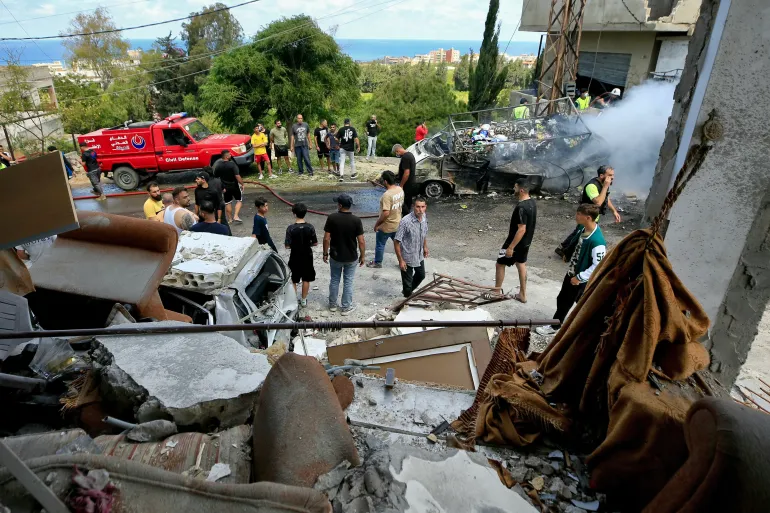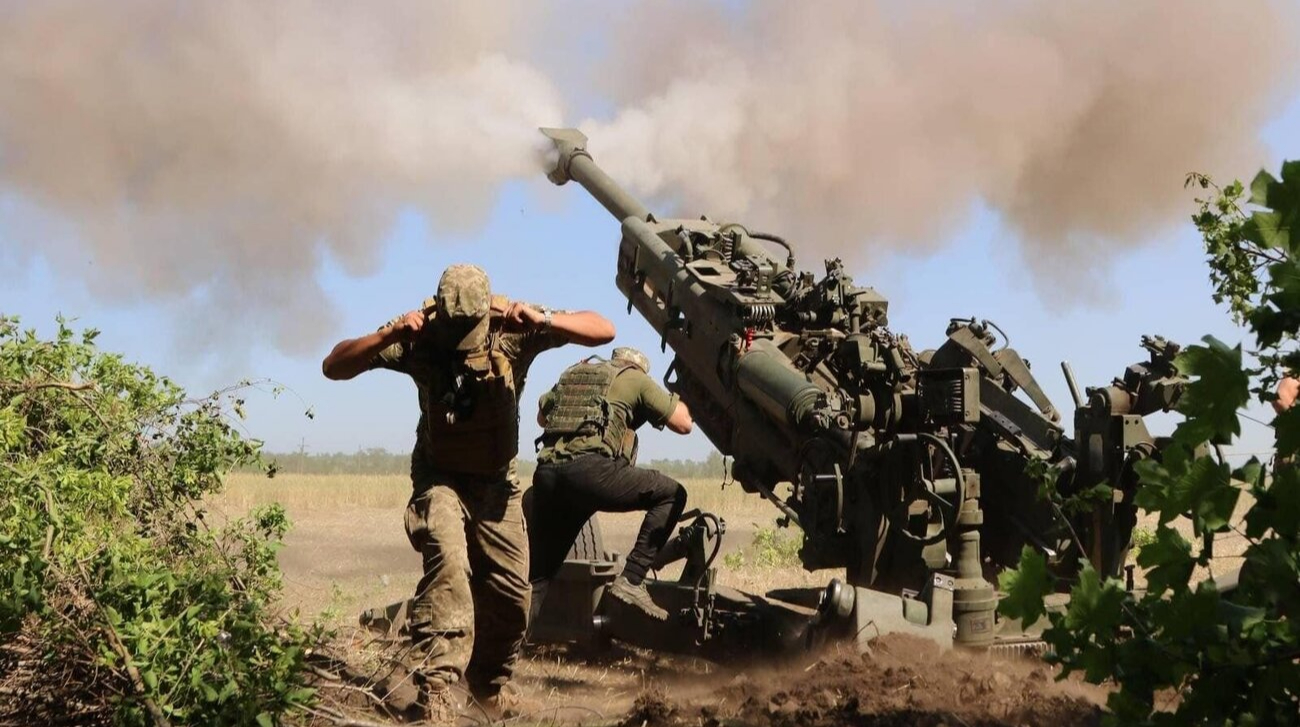

Iran Strike: Fires on Three Ships in Strait of Hormuz
Iran fired on three ships in the Strait of Hormuz and seized two amid ongoing US blockade and stalled diplomacy. In this latest strike Iran escalation, the US is using $1 million missiles to counter Iran's $20,000 drones, which have been used in attacks on neighbors and US bases [1]. Oil prices jumped by more than $3 a barrel due to reports of the attacks and other market factors [4]. Experts indicate that the US was shocked by the strength of Iran's strikes [3]. The US has downplayed Iran's seizure of European vessels while maintaining a blockade of Iranian ports [5].
Recent Attacks in the Strait of Hormuz
Iran's military actions in the Strait of Hormuz reached a new intensity on Wednesday when it fired on three ships and seized two of them, marking a significant escalation in the ongoing conflict over maritime access [2][5]. According to reports, Iranian forces targeted container ships in the vital waterway, with gunfire exchanges reported that heightened fears over disruptions to global shipping lanes [4]. Iranian media detailed the paramilitary operations, emphasizing the role of small attack boats in these engagements [2]. The Strait of Hormuz, through which 20 percent of the world's traded oil passes during peacetime, has become a focal point of tension, with these attacks effectively choking off nearly all Iranian exports amid the standoff [2].
The seizures involved two European-owned vessels, which Iran escorted to its waters after the confrontations [5]. This operation demonstrated Iran's continued capability to assert control in the strait two months into the broader conflict, using agile small boats to outmaneuver larger shipping [5]. The timing of the strike Iran actions came just a day after US President Donald Trump extended a ceasefire, yet the American blockade of Iranian ports persisted, leaving diplomacy stalled and no resolution in sight [2]. These events underscore the precarious balance in the region, where routine shipping has turned into a battleground, amplifying risks to international trade routes that are critical for energy supplies worldwide.
Iran's Use of Drones and Military Tactics
Iran has increasingly relied on affordable drones as a cornerstone of its military strategy, deploying models like the Shahed, equipped with simple motorcycle-type engines and explosives, to great effect [1]. These low-cost weapons, priced at around $20,000 each, have allowed Iran to target neighbors' cities and power plants, as well as US military bases, challenging the technological superiority of more expensive countermeasures [1]. The US military, despite its nearly trillion-dollar budget, finds itself compelled to use $1 million missiles to intercept these inexpensive threats, highlighting an asymmetry in modern warfare tactics [1].
This approach exemplifies Iran's broader doctrine of asymmetric warfare, where inexpensive, mass-producible drones enable sustained pressure without the need for large-scale conventional forces. The Shahed drones' success in previous strikes against regional infrastructure and American positions illustrates how Iran has adapted to counter superior air defenses [1]. In the context of the Strait of Hormuz incidents, such tactics provide a scalable means to harass shipping and project power, forcing adversaries to expend vast resources on defense. This cost disparity not only strains US logistics but also emboldens Iran's operational tempo, as the drones' simplicity allows for rapid replacement and deployment across multiple fronts [1].
US Response and Ongoing Tensions
The United States has maintained a firm blockade of Iranian ports even as President Trump extended a ceasefire, contributing to a diplomatic stalemate that shows no signs of resolution [2]. This posture has effectively halted nearly all exports through the Strait of Hormuz, intensifying economic pressures on Iran while drawing criticism for its impact on global oil flows [2]. In response to Iran's seizure of two European-owned vessels, US officials downplayed the incidents, framing them as limited actions amid rival maritime blockades [5]. This rhetoric seeks to minimize the perceived success of Iran's operations, even as both sides maneuver for advantage in the waterway [5].
Negotiations to end the war remain deadlocked, with no progress reported, further entrenching the standoff [4]. The US strategy appears focused on containment through the blockade, but it has not deterred Iran's aggressive patrols and attacks on shipping [2][5]. Iranian forces' ability to attack three ships and control two with small boats underscores the challenges of enforcing the blockade against determined asymmetric threats [5]. These dynamics reveal a broader pattern of tit-for-tat escalations, where US restraint in public statements contrasts with sustained military pressure, leaving the strait as a powder keg of unresolved tensions [2].
Economic Consequences of the Strikes
Oil markets reacted sharply to the reports of gunfire attacks on at least three container ships in the Strait of Hormuz, compounded by a surprise draw in US gasoline and distillate stocks and stalled peace talks between the US and Iran [4]. Brent crude futures surged by $3.32, or 3.37 percent, to $101.80 a barrel by 12:50 p.m. EDT on Wednesday, while West Texas Intermediate (WTI) futures climbed $3.61, or 4.03 percent, to $93.28 [4]. Both benchmarks had already risen about 3 percent the previous day, reflecting building momentum from the Hormuz developments [4].
The session highs marked significant intraday gains, driven by the combination of physical supply tightness in the US and geopolitical risks from the strait attacks [4]. With the waterway central to 20 percent of global oil trade in normal times, any disruption amplifies price volatility, as traders factor in potential prolonged closures or heightened insurance costs for tankers [2][4]. The lack of advancement in US-Iran diplomacy further fueled the rally, as markets priced in extended uncertainty over export flows [4]. These movements illustrate the strait's outsized influence on energy pricing, where even isolated incidents can trigger broad repricings across benchmarks.
Expert Reactions to the Events
Experts have noted that the US was caught off guard by the potency of Iran's strikes, describing the actions as a strong blow that exceeded expectations [3]. Published analysis on April 23, 2026, highlighted this shock within American strategic circles, pointing to the effectiveness of Iran's coordinated assaults in the Strait of Hormuz [3]. This reaction stems from the demonstrated control exerted by Iranian small boats and the seamless execution of firing on three ships while seizing two, challenging assumptions about US naval dominance in the region [5][3].
The surprise element lies in Iran's sustained operational resilience two months into the conflict, maintaining offensive capabilities despite the blockade [2][3]. Analysts emphasize that such strikes reveal gaps in anticipating Iran's tactical innovations, including drone integration and rapid boat maneuvers [1][3]. This perspective adds depth to understanding the events, framing them not just as isolated attacks but as a recalibration of threat assessments for US policymakers.
What to watch next: Monitor developments in US-Iran diplomacy for any ceasefire breakthroughs, ongoing blockade enforcement, and potential further ship seizures or drone deployments in the Strait of Hormuz, as these could dictate oil export flows and market stability [2][4][5].