Iran Strike: Fires on Three Ships in Strait of Hormuz
Iran fired on three ships in the Strait of Hormuz, marking a significant escalation in regional tensions.[1][4] In what reports describe as a strike Iran directed at vessels in this critical waterway, the incident unfolded amid a US-maintained blockade, with Iranian forces seizing two of the ships.[3] This action comes alongside related strains from attacks in southern Lebanon by Hezbollah, an Iran-backed group that launched an attack drone at Israeli forces, further testing a fragile ceasefire.[2] The targeting of commercial vessels underscores the vulnerability of a key global shipping route.[5]
Overview of the Incident
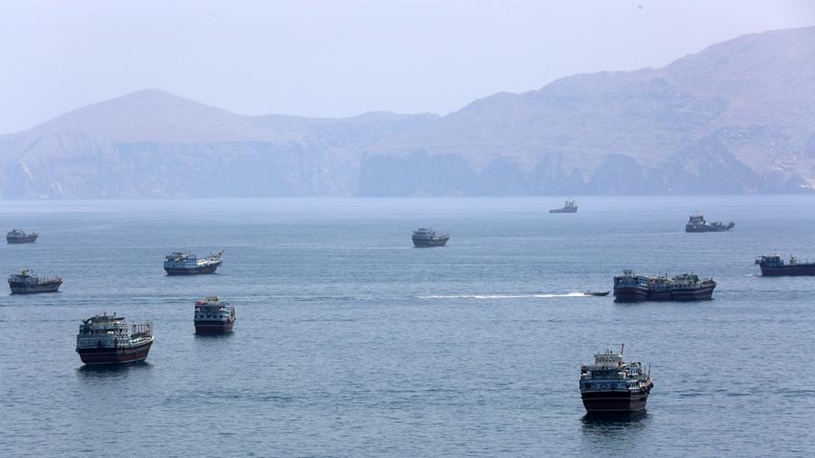
The core event centers on Iranian forces opening fire on three ships navigating the Strait of Hormuz, a narrow passage that serves as one of the world's most vital chokepoints for global oil and commercial trade.[1][4][5] Reports from multiple outlets confirm that this strike Iran executed occurred on Wednesday, with Iranian actions directly targeting the vessels in the strategically sensitive area.[1][4] The Islamic Republic's move has drawn immediate attention due to the strait’s role as a conduit for a substantial portion of international maritime traffic, placing commercial shipping squarely in the crosshairs of escalating hostilities.[5]
This incident fits into a pattern of confrontations in the region, where the Strait of Hormuz has repeatedly become a flashpoint for military posturing. Iranian media and international observers noted the firing as a deliberate operation against the ships, heightening alarms over potential disruptions to trade flows.[1] The reported nature of the event—described variably as "fires on" or "targets"—emphasizes the direct engagement by Iranian naval or coastal forces, though specifics on the type of weaponry or damage inflicted remain tied closely to initial dispatches.[4][5] Amid ongoing regional tensions, this strike Iran carried out amplifies concerns about the waterway's security, as Iranian forces have now moved aggressively against vessels transiting the area.[5]
The timing of the overview event underscores its immediacy: occurring on the heels of diplomatic maneuvers elsewhere, it serves as a stark reminder of the interplay between military actions and broader geopolitical dynamics in the Persian Gulf.[1][4] With the strait handling a significant share of the world's seaborne oil exports, any such incident carries ripple effects far beyond the immediate zone, prompting global stakeholders to monitor developments closely.[5] This summary aligns with accounts that frame the firing as a bold assertion of Iranian presence in contested waters, directly challenging navigational freedoms long upheld by international norms.[1]
Details of the Attack
Specifics of the attack reveal a multifaceted operation where Iran not only fired on three ships but also seized two of them, intensifying its assault on shipping within the Strait of Hormuz.[3] This sequence unfolded on Wednesday, with the seizures occurring as part of a broader intensification a day after President Donald Trump extended a ceasefire while upholding an American blockade of Iranian ports.[3] The US-maintained blockade provides critical context, positioning the incident within a framework of countered naval pressures, where Iranian responses target vessels amid restricted access to the waterway.[3]
Iranian media reported the firing and subsequent captures, highlighting the tactical execution against the ships, which were navigating the strait under heightened scrutiny.[3] The seizure of two vessels represents a concrete escalation from mere warning shots or harassment, involving physical control and potential detention of crews or cargo—though exact details on the ships' nationalities, flags, or payloads are confined to the assault's description as targeting shipping in the key waterway.[3] This action by Iran builds on prior patterns of interdictions, leveraging the strait's confined geography to assert dominance against perceived threats or blockades.
The involvement of the US blockade adds layers to the attack's details: maintained explicitly to curb Iranian maritime activities, it has prompted retaliatory measures like this strike, where firing preceded seizures to neutralize resistance.[3] Reports indicate the operation's rapidity, with the intensification timed closely after ceasefire extensions, suggesting a calculated response to ongoing pressures.[3] Such details paint a picture of a high-stakes naval encounter, where the Strait of Hormuz's bottlenecks amplify the risks of miscalculation, and the seizures serve as leverage in the standoff.[3]
Regional Context
The incident in the Strait of Hormuz cannot be viewed in isolation, as it intersects with parallel tensions in southern Lebanon, where attacks by Hezbollah—an Iran-backed group—have strained a ceasefire with Israel.[2] On Wednesday, an Israeli strike killed two people in the area, according to Lebanon’s state news agency, prompting Hezbollah to launch an attack drone at Israeli forces in the south.[2] This exchange further erodes the ceasefire between the Iran-backed group and Israel, occurring on the eve of talks in Washington between Lebanese and Israeli ambassadors.[2]
These Lebanon developments provide essential regional context, illustrating Iran's extended influence through proxies like Hezbollah, whose actions mirror the assertiveness seen in the strait.[2] The drone attack represents a direct challenge to Israeli positions, heightening cross-border frictions and complicating disarmament or de-escalation efforts tied to the ceasefire.[2] Lebanese President Joseph's involvement in the diplomatic backdrop underscores the stakes, as Washington talks aim to address these violations amid broader Iran-linked activities.[2]
This context reveals interconnected flashpoints: while the strait strike targets maritime domains, Lebanon's incidents involve aerial and ground engagements, both straining fragile truces.[2] The Iran-backed group's role ties these threads, suggesting coordinated or symbiotic escalations that test international mediators.[2] As ceasefires face repeated tests—from drone launches to ship seizures—the regional mosaic grows more volatile, with Iran's hand evident across theaters.[2]
Escalation and Implications
The strike in the Strait of Hormuz escalates threats to a global shipping route, as Iranian forces move against commercial vessels, placing international trade under renewed peril.[5] This action revives vulnerabilities in the waterway, historically prone to disruptions that spike energy prices and reroute supply chains worldwide.[5] By targeting three ships, Iran signals willingness to interdict neutral commerce, broadening the conflict's scope beyond military combatants.[5]
Implications extend to economic stability, with the strait's role in facilitating vast commercial flows now imperiled by such escalations.[5] The move against vessels intensifies regional tensions, potentially deterring insurers, shippers, and flag states from routine passages, echoing past crises that choked global energy supplies.[5] This positions the incident as a pivotal escalation, where Iran's targeting tests responses from affected powers and underscores the strait's fragility as a linchpin of trade.[5]
Broader ramifications include heightened naval patrols and diplomatic urgings for restraint, as the commercial focus amplifies calls for de-escalation to safeguard interdependent economies.[5] The escalation's shadow looms large, with implications for sustained access to the route contingent on swift resolutions to the underlying blockade and counteractions.[5]
Key Developments
Key developments surrounding the incident include President Donald Trump's extension of a ceasefire on Tuesday, paired with the maintenance of an American blockade of Iranian ports, setting the stage for Iran's Wednesday response.[3] This dual-track approach—ceasefire prolongation alongside blockade enforcement—directly preceded the firing on three ships and seizure of two, framing the assault as a riposte to US pressures.[3]
Iranian media coverage emphasized the intensification of assaults on shipping, linking the seizures to the blockade's constraints on Iranian maritime outlets.[3] These developments highlight a tit-for-tat dynamic, where ceasefire extensions fail to quell naval confrontations in the strait.[3] The timing—a day after Trump's announcement—suggests Iranian calculus weighs diplomatic overtures against persistent blockades, prompting seizures as bargaining chips.[3]
Immediate responses remain nascent, but the blockade's continuity signals US resolve, potentially spurring allied naval enhancements in the area.[3] These elements mark the incident's evolution from isolated strike to embedded chapter in an enduring standoff.[3]
What to watch next: Monitor strains on the Israel-Hezbollah ceasefire amid Washington talks between Lebanese and Israeli ambassadors, alongside any US adjustments to the Hormuz blockade following the ship seizures.[2][3]