Iran Protests Surge to 180 Cities as Death Toll Hits 65, Thousands Arrested Amid Internet Blackout

Latest from X
Iran Protests Surge to 180 Cities as Death Toll Hits 65, Thousands Arrested Amid Internet Blackout
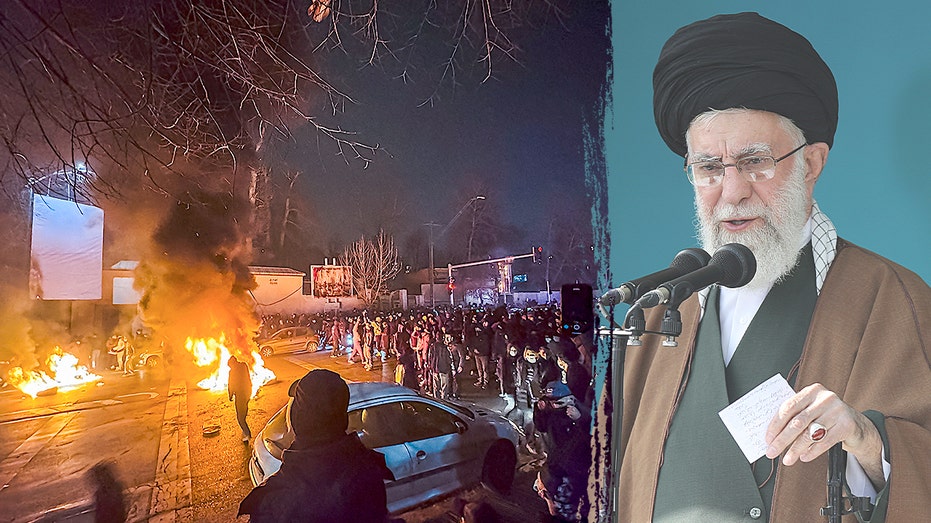
TEHRAN, Iran — Widespread protests have erupted across Iran, spreading to at least 180 cities since January 9, 2026, as demonstrators clash with security forces. Human Rights Activists in Iran (HRANA) reports a death toll of 65 people, with more than 2,300 arrests documented in the escalating unrest, according to a Fox News report published on January 11.
The demonstrations, which began on Friday, January 9, have grown rapidly in scale and intensity, marking one of the most significant outbreaks of civil unrest in the country in recent years. Authorities have responded with lethal force against protesters, prompting accusations of a deliberate internet "kill switch" to suppress information flow and conceal alleged crimes. Internet monitoring groups, such as NetBlocks, have confirmed a nationwide blackout, severely restricting access to global networks and hindering real-time reporting from the ground.
Escalation and Government Response
The Fox News article highlights the breadth of the protests, which have engulfed major urban centers and smaller towns alike. HRANA, a nonprofit organization tracking human rights violations in Iran, attributes the 65 fatalities directly to security forces' actions, including live ammunition use. The arrest figure of 2,300 includes a mix of protesters, activists, and bystanders, though exact demographics remain unclear amid the communication blackout.
Iranian officials have not publicly confirmed the casualty numbers but have framed the protests as orchestrated by foreign adversaries. State media has reported minimal disruptions, emphasizing economic grievances as the root cause—such as soaring inflation, subsidy cuts, and currency devaluation—while downplaying the scale of dissent. Posts circulating on X (formerly Twitter) echo reports of dozens killed and thousands detained, with some users noting focal points like Mashhad, though these claims remain unverified and reflect online sentiment rather than confirmed evidence.
The imposition of the internet shutdown, described as a "kill switch," mirrors tactics used in previous unrest. NetBlocks data, referenced in social media discussions, indicates near-total disconnection since January 9, limiting Iranians' ability to share videos, organize, or seek international attention.
Historical Context of Iranian Protests
Iran has a long history of public demonstrations challenging the Islamic Republic's governance. The current unrest draws parallels to the 2022 Mahsa Amini protests, which began over women's rights and morality police enforcement, resulting in hundreds of deaths and thousands arrested across more than 100 cities. Earlier, the 2019 fuel price hikes sparked nationwide riots, with estimates of up to 1,500 killed according to Amnesty International.
Economic pressures have consistently fueled such movements. Iran's economy, battered by U.S. sanctions reimposed after the 2018 withdrawal from the nuclear deal, faces hyperinflation exceeding 40% annually, youth unemployment above 25%, and a rial that has lost over 90% of its value against the dollar since 2018. The January 9 protests appear tied to these woes, with initial sparks reportedly in response to subsidy reductions on essential goods.
International observers note that the regime's response—combining force, arrests, and digital controls—follows a familiar playbook. The UN Human Rights Council has previously condemned Iran's use of excessive force, and similar patterns emerged in the 2017-2018 protests over corruption and inequality.
Regional and Global Reactions
Neighboring countries and global powers have watched warily. Israel and Saudi Arabia have criticized Tehran's crackdown, while the U.S. State Department urged restraint and internet restoration. European Union foreign ministers discussed the situation on January 10, calling for dialogue.
Domestically, universities and labor unions have joined the fray, amplifying calls for reform. However, the Revolutionary Guards and Basij militia remain deployed in force, signaling no immediate de-escalation.
Outlook Amid Uncertainty
As of January 11, the protests show no signs of abating, with HRANA warning the death toll could rise further due to restricted information. The internet blackout complicates verification, but satellite imagery and smuggled reports suggest sustained gatherings in key cities like Tehran, Isfahan, and Tabriz.
The Iranian government faces a pivotal moment: addressing economic grievances could temper unrest, but historical precedents suggest prolonged suppression. International pressure may mount if casualties climb, potentially complicating nuclear talks and regional stability. For now, Iranians remain cut off, their voices muffled by both bullets and bandwidth limits.
(Word count: 612)
Track this story live
Original Sources
- •
Editorial process: This article was synthesized from the original sources cited above using The World Now's AI editorial system, with byline accountability from our editorial team. We grade every story for source grounding, factual coherence, and on-topic match before publication. Read more about our editorial standards and contributors. Spot something inaccurate? Let us know.
Last updated: March 3, 2026






