
Iran Protests Surge Nationwide: Internet Blackout Imposed Amid Rising Death Toll and Government Crackdown Threats
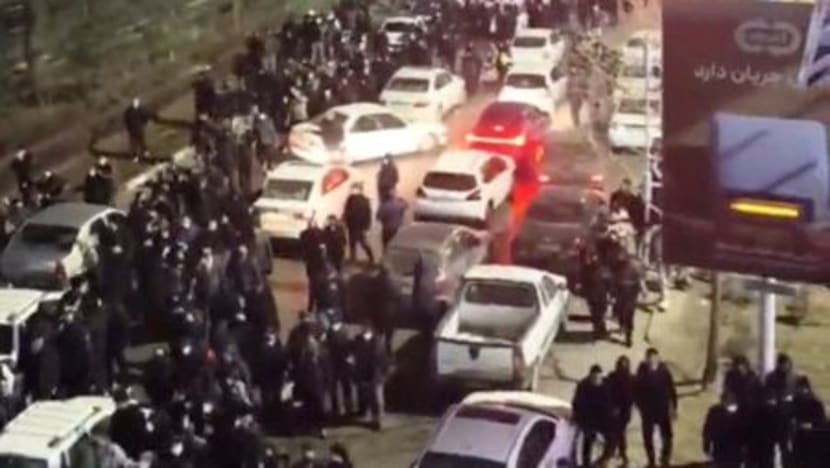
TEHRAN, Iran — Anti-government protests that erupted across Iran on January 9 have escalated dramatically, drawing tens of thousands into the streets amid reports of over 200 deaths from security force interventions, an unprecedented internet blackout, and vows from authorities to intensify their response.
The unrest, described as the largest in years, began on Friday and continued into Saturday, with demonstrators expressing defiance against the Islamic Republic regime. Protesters have flooded major cities, chanting slogans and calling for change, as reported by Channel News Asia. The demonstrations coincide with longstanding economic grievances, including high inflation and subsidy cuts, which have fueled public anger in a nation already strained by international sanctions and internal repression.
Iranian authorities have responded with a near-total disconnection from global communications networks. The Associated Press detailed how the government "pulled the plug" on internet access, blocking platforms like Starlink and severing contact with the outside world to curb information flow and protest coordination. This blackout echoes tactics used in previous unrest, such as the 2019 fuel price protests and the 2022 demonstrations following the death of Mahsa Amini, but appears more comprehensive, isolating demonstrators and hindering real-time reporting.
Casualties are mounting rapidly. Greek Reporter cited sources indicating the death toll from police and security interventions has surpassed 200, with violence reported in multiple provinces. Eyewitness accounts describe clashes involving tear gas, live ammunition, and arrests, as protesters confront riot police and elite units.
The Revolutionary Guards have blamed the unrest on "terrorists" and pledged to protect the governing system, signaling an intensified crackdown. Cyprus Mail reported that officials vowed harsher measures just a day after U.S. President Donald Trump warned of potential American intervention. In a Newsmax interview, former U.S. envoy Marshall Billingslea stated that Iran "has already crossed a red line," pointing to the deployment of elite forces and rising civilian casualties. "The regime is deploying elite forces as civilian unrest grows and casualties mount," Billingslea said.
Social media has amplified the protests' visibility despite restrictions. Platform X (formerly Twitter) replaced the current Iranian flag emoji with the pre-1979 Shah-era lion-and-sun emblem, a symbolic nod to the monarchy overthrown in the 1979 Islamic Revolution. Newsmax noted this change amid the "wave of intense protests," reflecting growing online support for regime change among expatriates and activists.
Background on Iran's Cycle of Unrest
Iran has a history of periodic civil unrest tied to economic hardship, social restrictions, and political repression. The 2022 "Woman, Life, Freedom" movement, sparked by Amini's death in custody, saw nationwide protests met with lethal force, resulting in hundreds of deaths according to human rights groups. Earlier, 2019 demonstrations over fuel prices led to over 1,500 fatalities per Amnesty International estimates. Current protests appear driven by similar triggers—economic woes exacerbated by sanctions and mismanagement—coupled with chants invoking the Shah era, suggesting monarchist undercurrents among some demonstrators.
The timing adds geopolitical tension. Trump's recent warning follows his administration's "maximum pressure" campaign against Iran, including the 2020 killing of General Qasem Soleimani. Iranian leaders have long accused external powers, particularly the U.S. and Israel, of fomenting dissent.
Outlook: Escalation Looms
As Saturday wore on, reports indicated protests persisting despite the blackout and security presence. Authorities' rhetoric points to a potential escalation in force, while international observers watch closely for humanitarian impacts. Human rights organizations have yet to release full casualty verifications, but the scale underscores deepening divisions within Iran. The coming days will test the regime's control and the protesters' resolve, with global communications severed complicating any resolution.
(Word count: 612)






