
Iran Protests Intensify: Internet Shutdowns and UN Complaint Mark Escalating Unrest
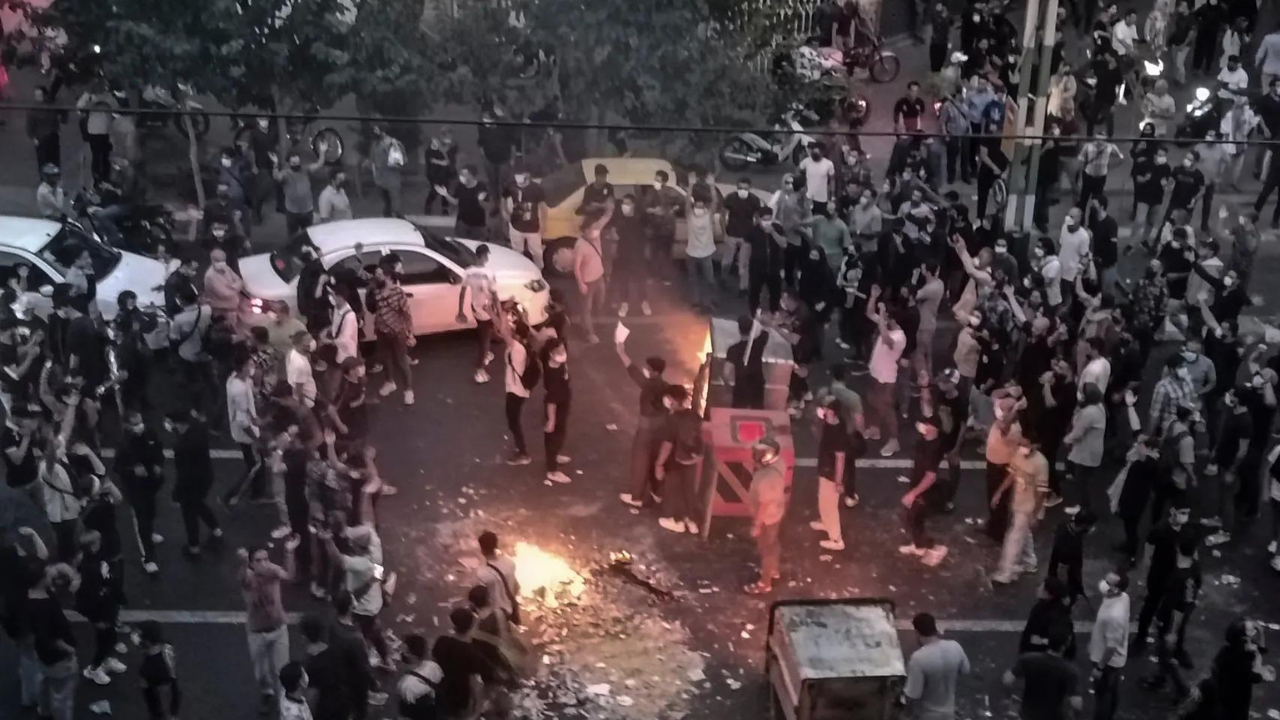
TEHRAN, Iran — Protests across Iran have surged into their second day, triggered by deepening economic hardships, resulting in at least 65 deaths as authorities enforce widespread internet and telephone blackouts amid accusations of foreign interference.
The demonstrations, which began on Friday, January 9, 2026, have rapidly escalated, drawing thousands into the streets in multiple cities. Sparked initially by soaring inflation, unemployment, and subsidy cuts amid U.S.-led sanctions, the unrest has grown into a broader challenge to the government's handling of the economy. Iranian officials have responded with a near-total shutdown of internet and telephone networks, a tactic long used to curtail information flow and coordination among protesters.
In a formal letter to the United Nations Security Council, Iran accused the United States and Israel of meddling in its internal affairs and inciting violence during the protests. The complaint, detailed in reports from Times of India, frames the external powers as orchestrating the unrest to destabilize the Islamic Republic. This move comes as security forces clash with demonstrators, with human rights groups alleging the blackouts are designed not only to suppress dissent but also to conceal alleged violations.
Eyewitness accounts smuggled out via sporadic connections describe chaotic scenes in Tehran, Isfahan, and Shiraz, where protesters chant against economic mismanagement and demand accountability from President Ebrahim Raisi's administration. Videos circulating on social media before the blackout show security personnel using tear gas, water cannons, and live ammunition to disperse crowds. Official state media has downplayed the scale, attributing disruptions to "rioters" backed by foreign enemies.
Government Crackdown and Communication Blackout
The imposition of internet restrictions began late Friday, affecting major platforms including Instagram, WhatsApp, and domestic services like Aparat. Telephone lines have also been intermittently cut, isolating communities and hindering real-time reporting. This mirrors previous episodes of unrest, such as the 2019 fuel price protests and the 2022 nationwide demonstrations following the death of Mahsa Amini, where similar measures led to hundreds of deaths and thousands of arrests, according to Amnesty International and other monitors.
Iran's Communications Ministry justified the shutdowns as necessary to prevent the spread of "fake news" and maintain public order. However, critics argue it exacerbates the humanitarian crisis by blocking access to emergency services and financial transactions in a country already grappling with a collapsing rial currency—trading at over 700,000 to the U.S. dollar on black markets as of early 2026.
The death toll, reported at a minimum of 65 by sources close to the protests, includes civilians, security personnel, and bystanders. Iranian state television confirmed fatalities but provided no breakdown, while opposition channels abroad claimed higher figures and accused forces of excessive force.
International Accusations and Diplomatic Fallout
Iran's UN letter represents a sharp escalation in rhetoric, directly implicating Washington and Tel Aviv in "provocations" timed with regional tensions. This comes against the backdrop of stalled nuclear talks and Israel's ongoing conflicts with Iran-backed groups in Gaza and Lebanon. U.S. State Department spokespeople have denied involvement, reiterating support for the Iranian people's right to peaceful protest while criticizing Tehran's repressive measures.
The UN Security Council has yet to respond formally, but the complaint underscores Iran's strategy of internationalizing domestic crises to rally support from allies like Russia and China. Similar tactics were employed during the 2022 protests, where Iran blamed "Israel's Mossad" for instigating violence.
Historical Context of Iranian Unrest
Iran's protest movements have deep roots in economic grievances amplified by decades of international sanctions. Since the 1979 Islamic Revolution, periodic uprisings—such as the 2009 Green Movement over disputed elections and the 2017-2018 bazaar strikes—have tested the regime's resilience. Current woes stem from U.S. sanctions reimposed in 2018 under the "maximum pressure" campaign, which have crippled oil exports, Iran's economic lifeline, leading to 40% inflation and widespread poverty.
The January 2026 protests coincide with subsidy reforms that slashed fuel and food supports, igniting public fury. Analysts note parallels to the Arab Spring, though Iran's theocratic structure and Basij militia have historically quelled dissent.
Outlook Amid Uncertainty
As the blackout persists into Saturday, January 10, 2026, the protests' trajectory remains unclear. Sporadic reports suggest demonstrations continuing in defiance, with some protesters resorting to VPNs and satellite internet. Iranian leaders, including Supreme Leader Ayatollah Ali Khamenei, have yet to address the nation directly, but Friday prayers sermons across the country condemned foreign "plots."
International observers, including the European Union and Human Rights Watch, have called for restraint and restoration of communications. The U.S. has imposed fresh sanctions on Iranian officials linked to past crackdowns. Whether the unrest fades under suppression or swells into a sustained challenge will depend on economic concessions or further escalations.
With networks down, verified information is scarce, but the combination of deadly clashes, digital isolation, and global finger-pointing signals a precarious moment for Iran.
(Word count: 712)






