
Iran Protests Escalate: Viral Video of Defiance and Calls to Seize City Centers Mark Growing Unrest
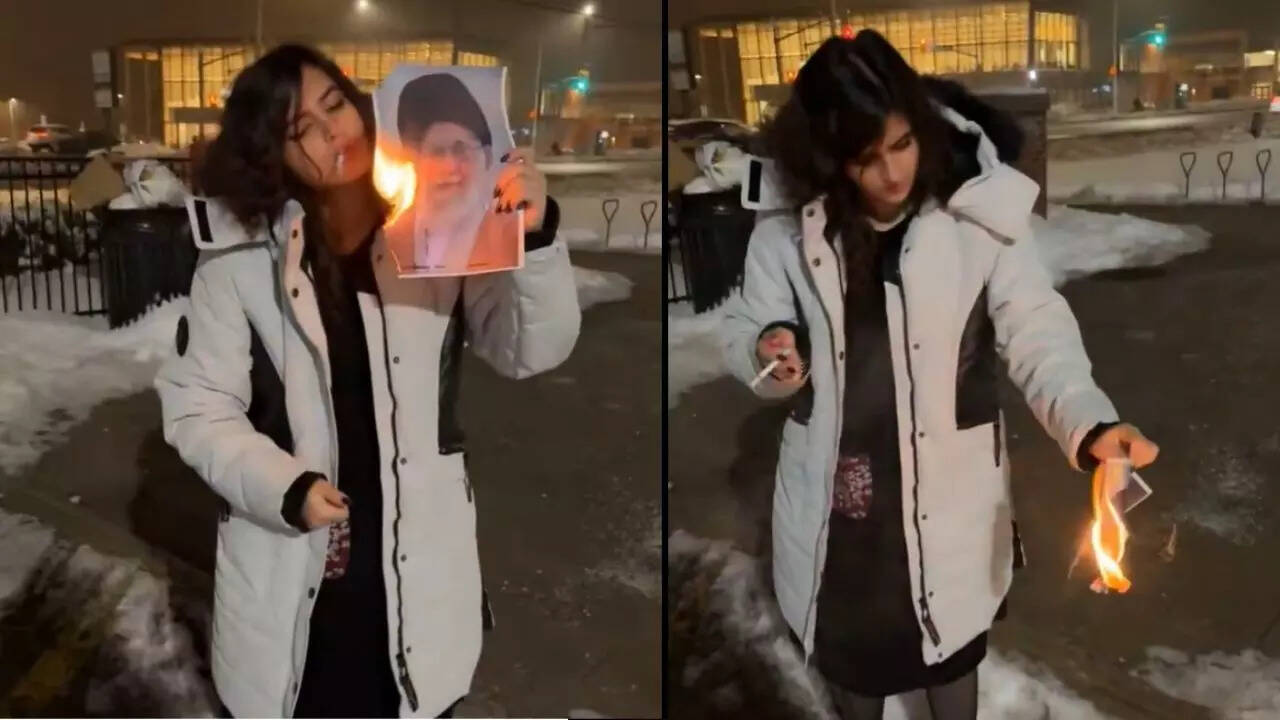
TEHRAN, Iran — Protests against Iran's Islamic Republic have intensified since Friday, January 9, 2026, with major cities witnessing new mass rallies overnight into Saturday and a viral video of a woman defiantly burning a photo of Supreme Leader Ayatollah Ali Khamenei emerging as a potent symbol of resistance.
The unrest, described as high-severity civil disturbances, began unfolding on January 9 and has grown rapidly, according to reports tracking the events. Overnight rallies in key urban centers denounced the government, coinciding with public calls from Reza Pahlavi, son of the ousted Shah Mohammad Reza Pahlavi, for protesters to escalate by seizing city centers. Separately, a widely shared video showed a woman with uncovered hair lighting a cigarette from a burning image of Khamenei, an act that challenges multiple taboos under Iran's strict Islamic norms, including mandatory hijab enforcement and prohibitions on public smoking by women.
Escalating Demonstrations Grip Major Cities
Reports from Radio France Internationale (RFI) indicate that new mass rallies erupted overnight in major Iranian cities, with demonstrators openly condemning the Islamic Republic's leadership. These gatherings build on the protests that started on January 9, reflecting a pattern of escalating public dissent. Reza Pahlavi, who lives in exile and has long positioned himself as a figurehead for regime change, urged protesters on Saturday to move beyond street demonstrations. He called for coordinated efforts to "seize city centers," a directive that signals a potential shift toward more confrontational tactics.
Pahlavi's intervention comes amid a history of opposition activism. The Pahlavi dynasty ruled Iran until the 1979 Islamic Revolution, which established the current theocratic system under Ayatollah Ruhollah Khomeini, Khamenei's predecessor. Reza Pahlavi has repeatedly advocated for a secular democratic transition, gaining support among some diaspora Iranians and protesters frustrated with economic woes, corruption, and social restrictions.
The rallies' scale and locations remain partially unverified due to Iran's tight media controls and internet restrictions, which the government frequently imposes during unrest to curb information flow. Past protests, such as those in 2019 over fuel prices and the 2022 demonstrations following the death of Mahsa Amini in morality police custody, have similarly faced severe crackdowns, resulting in hundreds of deaths according to human rights groups.
Viral Video Symbolizes Broader Defiance
Adding fuel to the protests' momentum is a video circulating widely on social media, as detailed by the Times of India. The footage depicts a woman whose hair is uncovered — a direct violation of Iran's compulsory hijab law — igniting a cigarette using flames from a photograph of Ayatollah Khamenei. This act breaks several cultural and legal taboos in the Islamic Republic, where women's public behavior is heavily policed, smoking is restricted for women, and any desecration of the Supreme Leader's image is harshly punished.
The video has "broken the internet" in Iran-watching circles, sparking global debate on resistance to state-imposed norms. However, key details remain unconfirmed: the woman's identity is unknown, and the clip's exact origin and timestamp have not been authenticated. Despite these uncertainties, it has powerfully encapsulated the spirit of ongoing protests against repression, resonating with demonstrators challenging the regime's authority.
Iran's protest movements have long centered on grievances over enforced piety, economic hardship exacerbated by international sanctions, and political stagnation. The Supreme Leader holds ultimate power, overseeing the military, judiciary, and elected bodies through the Guardian Council. Recent economic pressures, including inflation rates exceeding 40% and youth unemployment above 25%, provide fertile ground for discontent, per data from international monitors like the World Bank.
Historical Context of Iranian Unrest
Iran's history of civil unrest traces back decades. The 1979 Revolution ousted the Shah amid widespread anger over authoritarianism and Western influence. Subsequent uprisings, including the 2009 Green Movement disputing election results and the 2017-2018 economic protests, were met with force. The 2022 "Woman, Life, Freedom" protests, triggered by Amini's death, marked the most sustained challenge in recent years, drawing international condemnation for the regime's response, which the UN estimated caused over 500 deaths.
Current events echo these patterns, with social media playing a pivotal role in amplification despite government blocks on platforms like Instagram and WhatsApp. Activists often use VPNs to bypass restrictions, allowing videos like the "smoking girl" clip to spread.
Outlook Amid Uncertainty
As of January 10, 2026, the protests continue to unfold, with no official government statement on the latest rallies or video reported in available sources. Security forces have not been mentioned in immediate responses, but historical precedents suggest deployments of the Basij militia and Revolutionary Guards. Reza Pahlavi's call introduces risks of heightened clashes, while the viral video underscores deepening cultural rebellion.
International observers, including the UN and human rights organizations, are likely monitoring closely, though no new statements were cited in recent reports. The trajectory remains fluid, hinging on protester turnout, regime countermeasures, and potential external reactions from powers like the United States and regional rivals Saudi Arabia.
(Word count: 712)