
Iran Protests Escalate into Deadly Unrest as Hospitals Overflow and Authorities Promise Harsher Measures
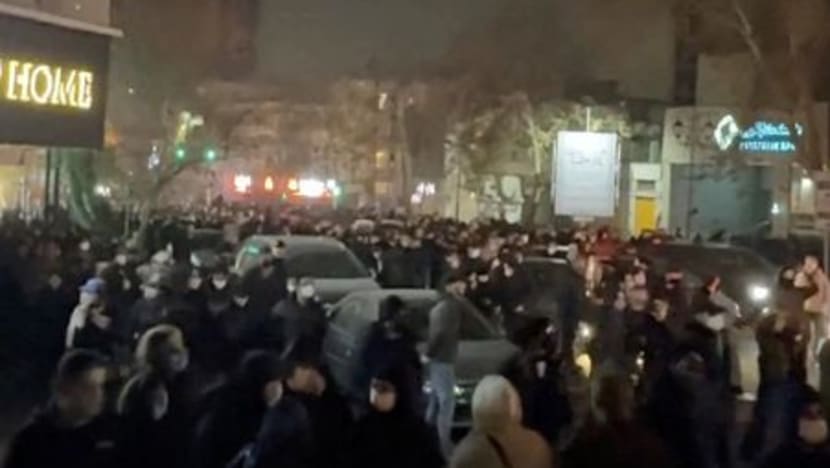
TEHRAN, Iran — Nationwide anti-government protests in Iran have surged into their fourth day, marked by reports of dozens of deaths, overwhelmed hospitals treating severe gunshot injuries, and protesters openly defying authorities by renaming a Tehran street after U.S. President Donald Trump. Iranian officials have signaled an intensified crackdown amid a communications blackout that has obscured the full scale of the violence.
The unrest began intensifying around January 7, 2026, with demonstrations spreading across major cities including Tehran and Neyshabur. Protesters have called for protection from U.S. intervention, with some renaming a street in Tehran after Trump in a bold gesture amid warnings of potential American action if demonstrators are harmed. By January 9, the protests had reached high severity levels, evolving into widespread civil unrest fueled by public anger against the government.
Eyewitness accounts and medical reports paint a grim picture of the crackdown. In Tehran, protesters described harrowing scenes at hospitals where "bodies piled up" following security forces' interventions, according to accounts shared with CNN. Doctors treating the influx of casualties reported hospitals overwhelmed with patients suffering gunshot wounds to the head and eyes, indicative of close-range shootings during clashes.
A particularly stark claim emerged from Neyshabur, a city in northeastern Iran, where an Iranian doctor alleged that authorities killed "at least 30 people." The doctor highlighted the death of a 5-year-old child who was shot while in his mother's arms, underscoring the involvement of civilians, including children, in the violence. Fox News corroborated the strain on medical facilities nationwide, noting that emergency rooms were unable to cope with the volume of injuries from the raging protests.
Iranian authorities have responded with vows of a tougher response. Channel News Asia reported that officials are signaling an intensified crackdown as the unrest grows, including tighter controls and arrests. A communications blackout has further limited visibility into events, restricting internet access and outside reporting, as noted by Newsmax.
Adding to the momentum, Reza Pahlavi, the exiled son of Iran's last shah and a prominent opposition figure, has urged Iranians to escalate through nationwide strikes and more organized street actions. His call comes amid what Newsmax described as Iran's biggest protest wave in years, echoing past waves of dissent such as the 2022 demonstrations over Mahsa Amini's death in custody, which also saw deadly crackdowns and international condemnation.
Historical Context
Iran has a long history of civil unrest challenging the Islamic Republic's theocratic rule. The 1979 revolution ousted the Pahlavi monarchy, but subsequent protests—like those in 2009 over disputed elections and 2019 over fuel prices—have repeatedly tested the regime. The current wave, starting in early January 2026, appears driven by deep-seated economic woes, corruption allegations, and restrictions on freedoms, though specific triggers remain unclear amid the information clampdown. The U.S. has historically supported Iranian dissidents rhetorically, and Trump's past "maximum pressure" campaign, including sanctions and the 2020 killing of General Qasem Soleimani, has resonated with some protesters.
The protests' symbolic acts, such as the Tehran street renaming, signal desperation for external backing, recalling how opposition movements have invoked foreign leaders during crackdowns. However, Iran's leadership, under Supreme Leader Ayatollah Ali Khamenei, has consistently framed such unrest as foreign-orchestrated plots.
Outlook Amid Uncertainty
As of January 10, 2026, the protests show no signs of abating, with reports of continued escalation. The death toll remains unverified by official sources, but independent accounts suggest at least dozens killed. International observers, human rights groups, and exiled Iranians are calling for global attention, while the regime's blackout raises fears of further hidden atrocities.
The situation remains fluid, with potential for broader strikes as urged by Pahlavi. Whether the unrest leads to concessions, deeper repression, or regime change hinges on the regime's next moves and protesters' resilience. For now, Iran's streets remain a flashpoint in a nation long strained by internal divisions and external pressures.
(Word count: 612)