
Iran Protests Erupt into Violent Clashes as U.S. Leaders Signal Support for Demonstrators
TEHRAN, Iran — Nationwide protests in Iran have escalated into fierce street battles between armed demonstrators and security forces, with at least 65 people reported killed and over 2,300 arrested as of Friday, amid a government-imposed internet blackout and vows of a tougher crackdown from authorities.
The unrest, which began on December 28, 2025, initially sparked by soaring inflation and cost-of-living crises, has rapidly evolved into widespread anti-regime demonstrations demanding an end to clerical rule. By early January 2026, protests had spread across the country, with reports of demonstrators flooding streets in Tehran and other cities. On January 7, protesters in Tehran symbolically renamed a street after U.S. President Donald Trump, appealing for his protection against potential harm. The demonstrations grew significantly by January 9, marking a high-severity escalation in civil unrest.
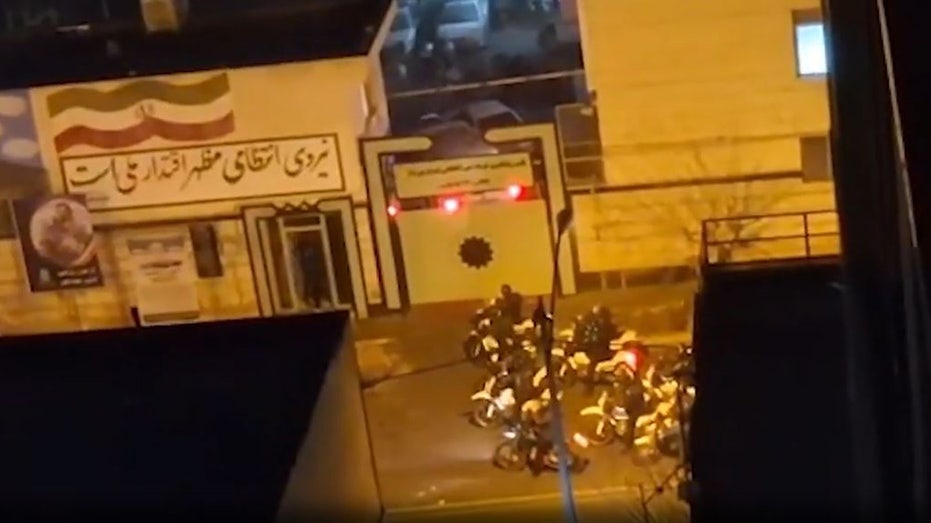
In Tehran, the violence intensified as armed protesters clashed directly with police, according to reports from Fox News. President Trump responded forcefully on Saturday, warning of a "forceful US response" if demonstrators were targeted, while stating that Iran is "looking at freedom" and that the United States is "ready to help." His comments amplified a message of external support amid the chaos.
U.S. Senator Lindsey Graham, R-S.C., echoed this sentiment, telling Iranians on Saturday via Newsmax that "Help is on the way," as protests against Iran's clerical leadership continued to expand. These statements from American leaders come as Tehran imposes severe measures, including a nationwide internet shutdown to curb information flow and organization among protesters.
Channel News Asia reported that Iranian authorities are signaling an intensified crackdown, with demonstrations showing no signs of abating. "All are in the streets," one report quoted defiant Iranians as saying, highlighting the scale of participation and the rising death toll. Protests that started over economic grievances have turned explicitly political, with chants and actions calling for the overthrow of the Islamic Republic's leadership.
Adding a symbolic layer to the unrest, Iran's exiled crown prince, Reza Pahlavi — who left the country decades ago following the 1979 Islamic Revolution — has emerged as a prominent figure invoked by protesters, per the Associated Press. Pahlavi, son of the last shah, has long been a voice for regime change from abroad, and his rising profile underscores the depth of opposition sentiments.
Background on Iran's Protest History
Iran has a long history of public dissent against its theocratic government, often triggered by economic hardships exacerbated by international sanctions, mismanagement, and corruption. Previous waves include the 2019 "Bloody November" protests over fuel prices, which resulted in hundreds of deaths, and the 2022-2023 demonstrations following the death of Mahsa Amini in custody, which drew global attention to women's rights and broader authoritarianism. The current unrest mirrors these patterns: starting with economic triggers like inflation amid U.S. sanctions reimposed during Trump's first term, but quickly morphing into demands for systemic change.
The Islamic Republic has consistently responded with force, internet restrictions, and arrests. The ongoing blackout — a tactic used in prior episodes — aims to isolate protesters and limit video evidence of abuses from spreading internationally.
Outlook Amid Escalation
As of January 10, 2026, the protests show no immediate signs of subsiding, with reports indicating growing defiance despite the casualties and detentions. Iranian officials' signals of a harder line suggest further confrontations ahead, potentially deepening the crisis. U.S. rhetoric from Trump and Graham introduces an international dimension, though no concrete actions have been detailed beyond verbal support. The involvement of figures like Reza Pahlavi could galvanize the opposition but also provoke a sharper regime response.
The situation remains fluid, with limited information due to the communications blackout. International observers and human rights groups are closely monitoring developments, calling for restraint and accountability. For now, Iran's streets remain a battleground between a frustrated populace and a regime fighting for survival.
(Word count: 612)






