
Iran Protests Enter Third Week: Death Toll Hits 116, Internet Blackout Imposed Amid Nationwide Unrest
TEHRAN — Widespread anti-government protests across Iran have escalated into their third week, with activists reporting a death toll of at least 116 and more than 2,600 arrests. The demonstrations, initially sparked by economic grievances, have evolved into broader calls for political change against the country's theocratic regime, prompting a severe government crackdown including an near-total internet shutdown and overwhelmed hospitals treating gunshot victims.
The unrest, which began around January 7, has engulfed all 31 provinces of Iran, with over 570 protests documented, according to reports from Channel News Asia. Protesters in Tehran have taken symbolic actions, such as renaming a street after U.S. President Donald Trump and calling for his protection amid fears of U.S. intervention if demonstrators are harmed. The protests continued through the night into Sunday, leading authorities to close schools and universities nationwide, as noted by Yle News.
Medical staff at multiple hospitals in Tehran described chaotic scenes to the BBC, with facilities overwhelmed by dead and injured protesters. "Direct shots to the heads of the young people, to their hearts as well," said one medic at a Tehran hospital, while a doctor at an eye hospital reported similar horrors, highlighting the intensity of security force responses.
In a bid to stifle coordination and information flow, Iranian authorities activated what cyber experts describe as an "internet kill switch" late Thursday, severing connections for the nation's 85 million people. Connectivity plummeted to below 2% of normal levels, disrupting essential services and mirroring tactics used in past demonstrations and during wartime, per reports from The Times of India and Newsmax. Telephone networks were also cut, isolating protesters from the outside world and limiting coverage of alleged abuses.
The protests' roots trace back to deepening economic woes exacerbated by international sanctions, ongoing regional conflicts including tensions with Israel and U.S. policy under the incoming Trump administration, and long-standing grievances against Iran's clerical leadership. What started as demonstrations over inflation and shortages has snowballed into demands for a secular, democratic transition, entering a critical phase after two weeks of sustained momentum.
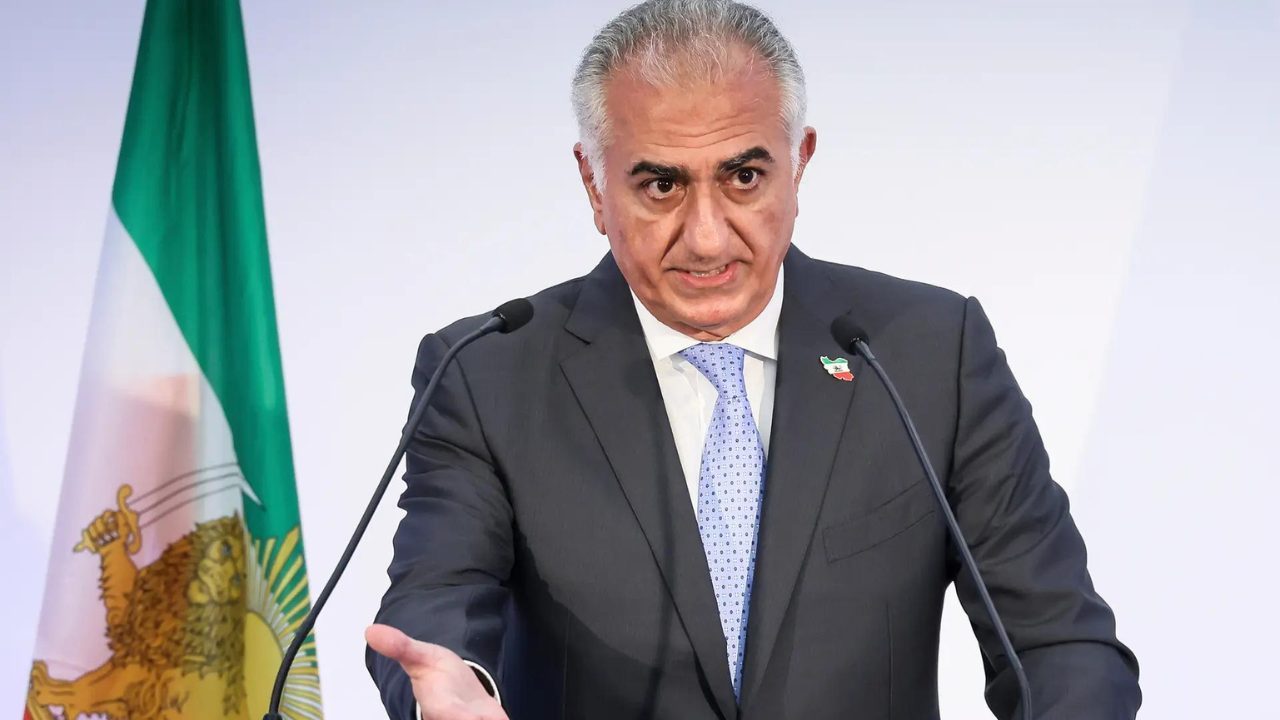
Adding a prominent voice to the movement, Iran's exiled crown prince Reza Pahlavi has re-emerged to rally supporters. In statements covered by The Times of India, the son of the last shah urged protesters "not to abandon the streets," positioning himself as a figurehead for a potential post-theocracy Iran. Pahlavi, who lives in the U.S., has advocated for a peaceful handover of power to a democratic government, gaining traction amid the chaos.
Background on Iran's Protest Cycles
Iran has a history of mass unrest challenging the Islamic Republic's authority. The current wave echoes the 2022 protests following the death of Mahsa Amini in custody, which drew global condemnation and hundreds of deaths, as well as earlier economic revolts in 2017-2018 and 2019 over fuel prices. The theocracy, led by Supreme Leader Ayatollah Ali Khamenei since 1989, has faced mounting pressure from a young population frustrated by corruption, repression, and economic isolation tied to its nuclear program and proxy wars in the Middle East.
Official media has remained largely silent or framed the protests as foreign-instigated, while state forces have deployed tear gas, live ammunition, and mass detentions. Human rights groups, though limited by the blackout, continue to tally casualties through smuggled reports and satellite imagery.
As protests rage on, the government's digital isolation tactics risk further alienating the public and drawing international scrutiny. Cyber experts warn that such blackouts, among the most severe in Iran's history, could backfire by fueling underground networks and VPN usage. With Reza Pahlavi's calls amplifying opposition voices abroad and symbolic gestures invoking U.S. support, the standoff shows no signs of abating. Regional powers and Western governments are watching closely, as any escalation could ripple through the volatile Middle East amid U.S. policy shifts.
The coming days will test the regime's control, with protesters urged to persist despite the mounting human cost. International observers call for restraint and accountability, but Iran's leadership has given no indication of concessions.
(Word count: 612)






