Iran Protests Enter Third Week as Death Toll Climbs to at Least 116 Amid Internet Blackout and Escalating Tensions

Latest from X
Iran Protests Enter Third Week as Death Toll Climbs to at Least 116 Amid Internet Blackout and Escalating Tensions
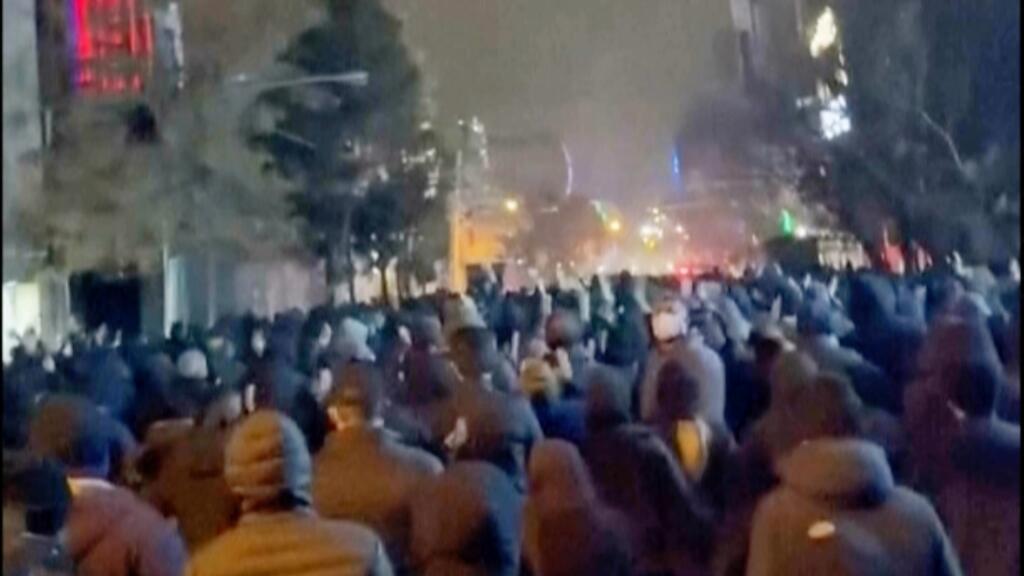
TEHRAN — Anti-government protests challenging Iran's theocratic leadership have stretched into their third week, with demonstrators flooding streets in Tehran and other major cities despite a near-total internet blackout exceeding 60 hours. The death toll has risen to at least 116, according to a U.S.-based human rights group, as rights organizations warn of a potential "massacre" in the government's crackdown. Iranian officials have issued stark warnings to the United States and Israel amid threats of foreign intervention.
The unrest, which began intensifying around early January, has seen widespread demonstrations against the clerical regime, fueled by economic woes, corruption allegations, and demands for greater freedoms. Protests erupted in Tehran as early as January 7, with reports of crowds gathering in the capital and Iran's second-largest city, Mashhad. By Sunday, January 11, new waves of demonstrations continued overnight, even as authorities imposed severe communication restrictions, including shutdowns of internet services, landlines, and potential satellite jamming.
A U.S.-based human rights group reported the death toll at 116 on Sunday, while other activists cited figures exceeding 100, with one outlet referencing claims of "thousands" killed. Over 2,600 arrests have been reported, and Iran's attorney general has labeled protesters as "enemies of God," signaling a hardened stance. Supreme Leader Ayatollah Ali Khamenei has indicated an impending escalation in the crackdown, according to reports.
Iran's parliament convened urgently on Sunday to address the crisis. Speaker Mohammad Bagher Ghalibaf warned that U.S. troops and Israel would become "legitimate targets" should President Donald Trump follow through on threats to strike if demonstrators face further harm. Trump's recent statements have heightened fears of U.S. involvement, with reports indicating the White House is weighing military options in response to Tehran's suppression tactics.
Opposition figure Crown Prince Reza Pahlavi, son of the last shah deposed in the 1979 Islamic Revolution, has emerged as a vocal supporter of the protesters. In statements covered by media, Pahlavi urged Iranians to sustain strikes and demonstrations, framing the uprising as a pivotal moment to topple the regime. Posts found on X attributed to Pahlavi have similarly called for international support, particularly from Trump, highlighting the communications blackout and bravery of millions facing live fire.
Background on Iran's Protest Cycles
Iran has a long history of civil unrest, from the 2009 Green Movement against alleged election fraud to the 2019-2020 protests over fuel prices and the 2022-2023 demonstrations following the death of Mahsa Amini in custody. The current wave echoes these, driven by chronic economic challenges including high inflation, unemployment, and sanctions exacerbated by Iran's nuclear program and regional proxy conflicts. The protests have grown in scope since January 7, with high-severity events reported, including symbolic acts amid U.S. rhetoric—such as unverified claims of Tehran streets being renamed in honor of Trump as a plea for protection.
Rights groups, including those cited in RFI and France24 reports, have decried the internet blackout as a tool to obscure atrocities, with new protests breaking out despite the restrictions. CNN's live updates confirm the demonstrations have persisted into their third week, underscoring the public's resolve.
International Ramifications and Outlook
The standoff carries risks of broader conflict. Iran's warnings target U.S. bases in the region and Israel, amid ongoing tensions from the Israel-Hamas war and Iran's support for groups like Hezbollah and the Houthis. U.S. officials have not detailed specific military considerations, but the Times of India noted deliberations on potential responses.
As the blackout drags on and protests show no signs of abating, the situation remains volatile. Iranian authorities face mounting domestic pressure, while international observers watch closely for any escalation that could draw in foreign powers. The coming days will test the regime's control and the protesters' endurance, with the death toll likely to rise absent de-escalation efforts.
(Word count: 612)
Track this story live
Original Sources
- •
- •
- •
- •
- •
- •
Editorial process: This article was synthesized from the original sources cited above using The World Now's AI editorial system, with byline accountability from our editorial team. We grade every story for source grounding, factual coherence, and on-topic match before publication. Read more about our editorial standards and contributors. Spot something inaccurate? Let us know.
Last updated: March 3, 2026






