Iran Missile Strikes on Israel Expose US-Israeli Alliance Tensions
Iran's recent missile strikes on Israel and subsequent ceasefire announcement have exposed tensions in the US-Israeli alliance, weakened Benjamin Netanyahu's position, and highlighted diverging agendas on Iran as European leaders assess Ukraine's stronger negotiating stance amid broader global tensions.
Iran's Retaliatory Strikes Alter Regional Dynamics
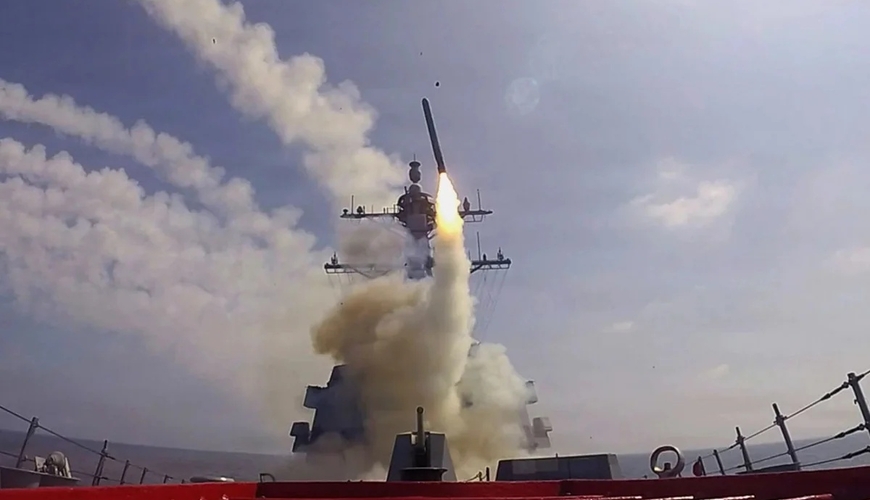
Iran fired up to 30 missiles at Israel in retaliation for strikes on Beirut, breaking Israel's previous ceasefire model and demonstrating willingness to target northern Israel to protect Lebanon. [1] Iran's military command warned that any resumption of Israeli attacks, including in southern Lebanon, would trigger much more severe responses, signaling a unified view of conflicts in Gaza, Lebanon, and Iran as one war. [1] This exchange revealed the balance of power between the two countries more accurately than prior claims of having smashed or destroyed Iranian forces. [1] Iran showed it would target northern Israel to defend Lebanon, marking a notable shift in its approach. [1] The military command stated explicitly that if Israel resumed attacks anywhere, including southern Lebanon, much more severe and crushing measures than before would follow. [1] Over time, Iran has come to treat the campaigns on Gaza, Lebanon, and itself as a single war and has begun responding accordingly. [1] Its display of defiance has interrupted efforts to impose certain political outcomes in the region. [1]
Strains Emerge Between Netanyahu and Trump
Iran's resistance has substantially weakened Netanyahu's relationship with Trump. [1] Israeli jets were on the runway ready to resume full-scale war on Iran when Trump called Netanyahu and told him to stop. [1] Trump stated in an interview that Netanyahu would have no choice because he calls the shots and calls all the shots. [1] The war on Iran originated from these two leaders based on intelligence assessments that proved inaccurate regarding Iran's strength. [1] Iran's continued resistance and ability to rebuild missile and drone forces have imposed substantial strains on the alliance. [1] Both leaders face elections and domestic criticism for offshoring control of the war they started. [1] Israeli journalists have complained that national security decisions in Israel now require approval from Washington, with one noting that Israel must not accept the American dictate to refrain from responding. [1] On Monday night, Netanyahu issued a statement that he would halt attacks on Iran for now. [1] Trump also faced a setback when the House of Representatives voted to remove all US forces from hostilities against the Islamic Republic of Iran, with four Republicans joining Democrats in support. [1] Trump responded on Truth Social that the vote was meaningless and occurred in the middle of final negotiations. [1]
Diverging US and Israeli Agendas on Iran
The US and Israeli agendas on Iran now diverge clearly. [1] Trump does not believe a resumption of the war or continuation of the Hormuz blockade will end the conflict and instead insists negotiations are continuing with a memorandum of understanding on reopening the Strait of Hormuz within reach. [1] For Netanyahu, a US peace deal with Iran still in place would end the opportunity to expand Israel's borders and impose itself as the region's new hegemon. [1] That window began in Trump's first term with appointments and recognitions of annexations that carried no commitments regarding a Palestinian state. [1] Netanyahu pursued maximum territorial conquest during this period, aiming to clear Gaza and southern Lebanon of their native populations. [1] About one million Palestinians in Gaza have no homes to return to even as rubble, while another million remain displaced in Lebanon. [1] The planned new catastrophe would be several times larger than the one committed in 1948 and would involve destroying not just homes but everything that keeps society functioning. [1]
European Assessment of Ukraine's Strength
European leaders at a Tallinn summit, including those from Nordic and Baltic nations, assessed that Ukraine is now in a stronger political, military, and economic position than at any point since Russia's invasion, supporting direct talks and opening all EU accession negotiating clusters in June-July 2026. [2] [4] Leaders of the Nordic-Baltic Eight supported the opening of all negotiating clusters on Ukraine's path to EU membership in June-July without further delay. [4] They noted Ukraine's progress in reforms and stated that Ukraine's EU membership is one of the key security guarantees for both Ukraine and Europe. [4] The leaders also expressed support for Ukraine's irreversible path to full Euro-Atlantic integration, including NATO membership. [4] Finland's prime minister assessed the war as turning in Ukraine's favor, while Estonia's president wrote that Ukraine holds a stronger position politically, militarily, and economically than at any point during the invasion. [2] Norway's prime minister voiced the same assessment. [2] The summit highlighted discussions of negotiations alongside these evaluations of Ukraine's improved stance. [2] Leaders called for tightening sanctions, continuing arms aid, and strengthening Ukraine's air defenses. [2] Ukraine's president offered to send experts to help Baltic countries and other partners counter stray drones, reflecting a shift from requesting weapons to offering expertise. [2]
Progress Reported on Gaza Ceasefire Talks
Hamas reported that acceptable approaches have been reached on contentious issues in Gaza ceasefire proposals presented by mediators. [5] The group spokesperson stated that Palestinian factions responded positively to the proposals. [5]
Global Economic Risks in Potential Conflicts
A former US defense secretary assessed that a Taiwan Strait conflict would carry economic costs far exceeding those of a Hormuz crisis, adding to the context of worldwide tensions. [3]
What to watch next: Further statements from Trump on negotiations with Iran, developments in the opening of EU accession clusters for Ukraine in June-July 2026, and any updates from mediators on Gaza ceasefire proposals.