
Iran Grapples with Escalating Nationwide Protests as Khamenei Accuses Demonstrators of Foreign Collusion
TEHRAN — Anti-government protests have intensified across Iran since early January 2026, triggered by severe economic woes including skyrocketing inflation and a collapsing currency, prompting Supreme Leader Ayatollah Ali Khamenei to vow a hardline response while labeling protesters as "saboteurs" and "mercenaries for foreigners."
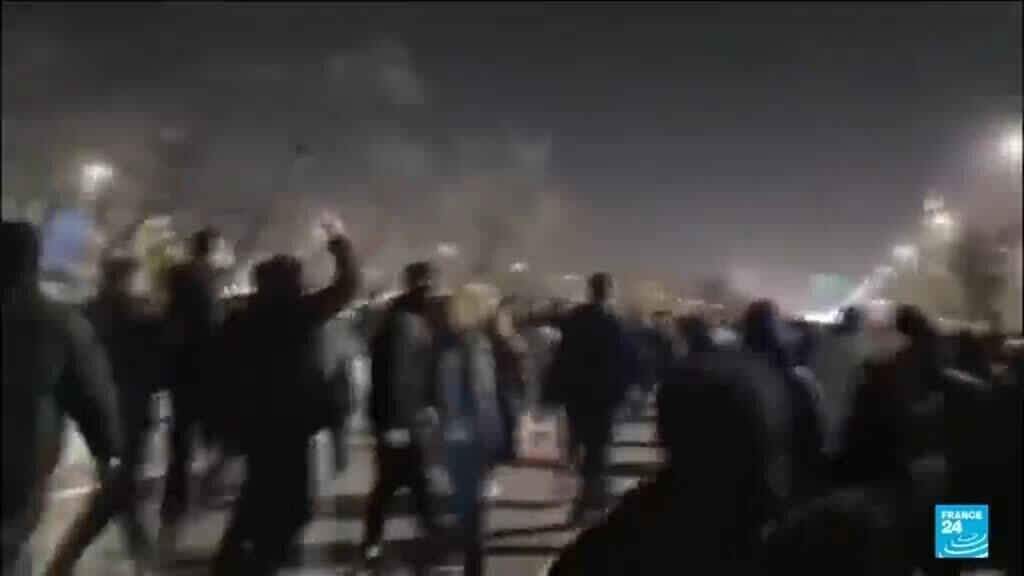
The unrest, which began gaining momentum around January 7, has seen demonstrators in Tehran rename a street after U.S. President Donald Trump, appealing for his protection amid fears of government crackdowns and warnings of potential U.S. intervention. By January 9, protests had spread nationwide, with reports of communications blackouts imposed by authorities, as covered in live updates from CNN. Rights groups have documented dozens of deaths and thousands of detentions amid the escalation, according to the Times of India.
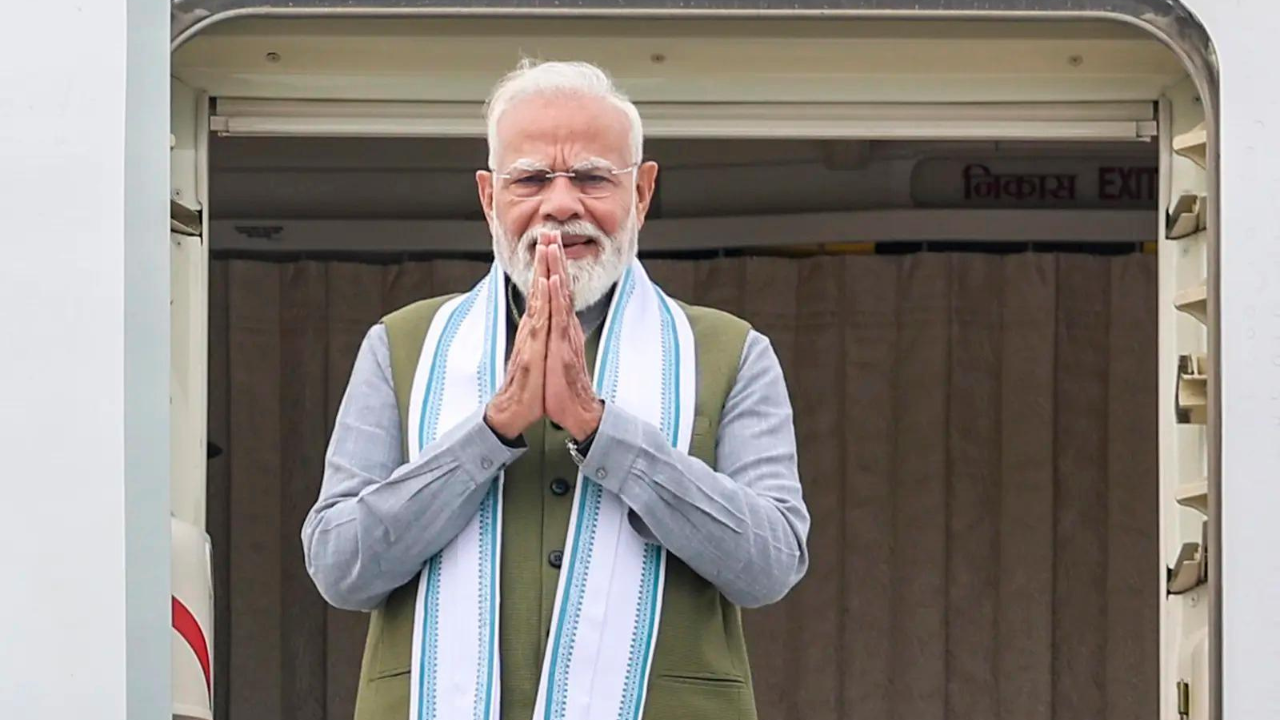
In a televised speech on January 9, Khamenei insisted the Islamic Republic "will not back down" against what he called "vandals" and those collaborating with external powers. "I cannot tolerate collaboration with foreigners," he stated, directly lambasting Trump by claiming the U.S. president's "hands are tainted with the blood of the Iranians" and predicting his overthrow. France24 reported Khamenei accusing protesters of acting on behalf of Trump following the largest demonstrations in nearly two weeks.
Protests have engulfed major cities including Tehran and Mashhad, Iran's second-largest city. U.S. President Trump amplified the unrest by sharing an unverified video on social media claiming over one million protesters had seized control of Mashhad, as noted by Anadolu Agency. Demonstrators, including merchants and even some traditional regime supporters, are demanding regime change amid daily economic hardships, marking this wave as distinct from prior uprisings, per analysis in the Times of India. The Iranian rial has plummeted to 1 USD equaling 1.4 million IRR, exacerbating public frustration.
International reactions have mounted. Cyprus's foreign ministry reiterated on January 9 its long-standing advisory against all travel to Iran—first issued in August 2024—urging citizens to remain vigilant amid the intensifying protests, according to the Cyprus Mail. Al Jazeera highlighted Tehran's struggles to quell the demonstrations, with Khamenei lashing out as the leadership faces significant challenges.
Finnish public broadcaster Yle News quoted a researcher stating the population is "completely fed up," noting the protests are broader than previous ones and include regime loyalists. Anadolu Agency echoed Khamenei's intolerance for foreign ties, framing the unrest as externally influenced.
Background on Iran's Protest Cycles
Iran has a history of civil unrest tied to economic pressures and political grievances, compounded by international sanctions. Previous waves, such as the 2022 protests following Mahsa Amini's death in custody and earlier economic demonstrations in 2019, were met with internet shutdowns and security force responses. The current uprising, however, stems primarily from a "broken economy" rather than a singular trigger, involving a wider coalition demanding systemic change, as detailed in Times of India reporting. U.S.-Iran tensions, heightened under Trump's administration, add a geopolitical layer, with protesters invoking his name amid longstanding accusations of American interference.
Outlook Amid Crackdown Threats
As protests continue to grow—described as high-severity events unfolding since January 7—Tehran faces a deepening legitimacy crisis. Khamenei's rhetoric signals an impending escalation in security measures, potentially including further communication restrictions. With global eyes on the situation, including travel warnings and U.S. commentary, the unrest tests the regime's resilience amid economic freefall. No immediate resolution appears in sight, with demonstrations persisting despite the risks.
(Word count: 612)