
Iran Grapples with Escalating Civil Unrest as Foreign Ministry Backs Protests, Government Eyes Economic Reforms
Tehran, Iran – Amid widespread civil unrest that erupted on January 2, 2026, Iran's Foreign Ministry has publicly expressed support for the ongoing protests sweeping the country, a rare official endorsement signaling deep internal divisions. As demonstrations intensify over economic grievances, the government is contemplating bold economic concessions to defuse tensions, according to reports from The Guardian.
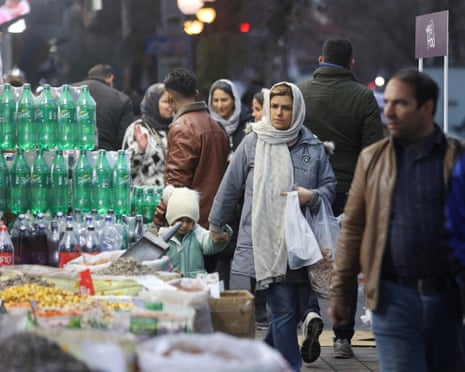
The protests, which began at 07:26 GMT on Friday, January 2, have been classified as high-severity civil unrest, driven primarily by public anger over soaring inflation, currency devaluation, and chronic shortages. The Iranian Foreign Ministry's stance marks a significant political development, framing the demonstrations as a legitimate expression of discontent rather than outright rebellion. This support comes at a critical juncture, as the Islamic Republic navigates domestic pressures alongside international sanctions and regional conflicts.
Details on the ministry's position remain limited, but it underscores a potential shift in how the regime engages with dissent. Historically, Iranian authorities have cracked down on anti-government protests, as seen in the 2019 fuel price hikes that sparked nationwide upheaval and the 2022 Mahsa Amini demonstrations over women's rights and mandatory hijab laws. The current unrest, however, appears rooted more squarely in economic despair, with protesters demanding relief from living costs that have ballooned amid U.S.-led sanctions reimposed since 2018.
In response, Iranian officials are weighing "risky economic concessions" to appease demonstrators, The Guardian reported on January 5, 2026. These measures could include subsidies on basic goods, currency stabilization efforts, or limited market liberalizations—steps fraught with peril given the country's subsidized economy and ideological commitments to self-reliance. "Iran is considering economic concessions in an effort to address the anger of protesters," the report states, highlighting the government's recognition that force alone may not suffice.
Protests have spread to major cities including Tehran, Isfahan, and Shiraz, with reports of clashes between demonstrators and security forces. Social media footage, though heavily censored within Iran, shows crowds chanting against economic mismanagement and corruption. The Foreign Ministry's backing could be interpreted as an attempt to co-opt the movement, positioning it as aligned with national interests against foreign interference, a common narrative in state media.
Background on Iran's Economic and Protest Cycles
Iran's economy has been under strain for decades, exacerbated by international isolation. The 2015 Joint Comprehensive Plan of Action (JCPOA), or Iran nuclear deal, briefly eased sanctions and boosted oil exports, but its collapse under U.S. President Donald Trump's 2018 withdrawal led to a sharp downturn. By 2025, inflation hovered above 40%, the rial had lost over 90% of its value since 2018, and youth unemployment exceeded 25%, according to World Bank data.
This is not Iran's first rodeo with protest-fueled crises. The 2009 Green Movement contested election fraud; 2017-2018 bazaar strikes decried pension shortfalls; and 2019's "Bloody November" protests over fuel prices resulted in over 1,500 deaths, per Amnesty International estimates. The 2022 "Woman, Life, Freedom" uprising, triggered by Amini's death in custody, evolved into broader calls for reform but was suppressed after months of violence.
Government responses have oscillated between repression and concession. President Ebrahim Raisi's administration (2021-2024) prioritized hardline policies, but his successor, Masoud Pezeshkian—elected in 2024 on a reformist platform—has pushed for JCPOA revival talks, though progress stalled amid Israel's 2025 escalations against Iranian proxies in Gaza and Lebanon.
The Foreign Ministry's support for protests adds a layer of complexity. Spokesman Nasser Kanaani has historically blamed unrest on "external enemies," but the January 2026 statement suggests pragmatism, possibly to prevent escalation into a broader revolutionary challenge. Analysts note this echoes tactics during the 1979 Islamic Revolution, when factions vied for street legitimacy.
Outlook Amid Uncertainty
As of January 6, 2026, protests continue with no reported end in sight. The proposed economic concessions carry risks: easing subsidies could strain state finances, already burdened by military spending on proxies like Hezbollah and the Houthis, while liberalization might empower private sectors at odds with clerical oversight.
International observers, including the UN Human Rights Council, have urged restraint, calling for dialogue over force. The U.S. State Department reiterated sanctions unless Iran curbs proxy activities, potentially complicating relief efforts.
Iran's leadership faces a delicate balance: placate the streets without undermining the revolutionary guardrails of the Islamic Republic. Whether the Foreign Ministry's endorsement evolves into genuine reform or rhetorical cover remains to be seen, but the unrest highlights the fragility of a system long tested by popular discontent.
(Word count: 712)