
Iran Faces Escalating Protests Over Economic Woes, with Reports of 35 Deaths and Harsh Government Response
TEHRAN, Iran — Nationwide protests in Iran have intensified amid a deepening economic crisis, marked by at least 35 reported deaths and a stern warning from the country's judiciary leader that no mercy will be shown to "rioters." In a bid to quell unrest, the government has announced a shift to direct monthly cash payments of $7 per citizen, replacing previous import subsidies as the national currency plummets.
The demonstrations, which began gaining momentum around January 2, 2026, stem from widespread frustration over soaring inflation, currency devaluation, and chronic economic hardships exacerbated by international sanctions. Protests have spiraled across multiple cities, with reports indicating clashes between demonstrators and security forces.
According to a report from Yle News, an organization monitoring the situation stated that at least 35 people have died in the protests. Iran's judiciary chief, Gholam-Hossein Mohseni-Eje'i, addressed the unrest on Monday, January 5, 2026, declaring that the Islamic Republic would show "no mercy or leniency" toward those involved in the riots. This hardline stance underscores the government's determination to suppress the disturbances, which have disrupted daily life and drawn international attention.
In parallel, Fox News reported that Tehran is implementing emergency economic measures to address public anger. The government is transitioning from subsidizing imports—such as food and fuel—to providing direct cash transfers of approximately 300,000 rials (equivalent to about $7 at current black-market exchange rates) monthly to every citizen. This policy shift comes as the Iranian rial continues its freefall against the U.S. dollar, with inflation rates exceeding 40% in recent months, according to economic trackers. Officials hope the payments will alleviate immediate financial pressures on low-income households, many of whom have been priced out of basic necessities.
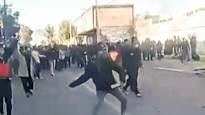
Eyewitness accounts and social media footage circulating online depict protesters chanting against economic mismanagement, high unemployment, and corruption, with some demonstrations turning violent as security forces deployed tear gas and made arrests. The unrest has particularly affected urban centers like Tehran, Isfahan, and Shiraz, where breadlines and fuel shortages have fueled outrage.
Economic Context and Historical Precedent
Iran's economy has been under severe strain for years, largely due to U.S.-led sanctions reimposed after the 2018 withdrawal from the 2015 nuclear deal (JCPOA). These measures have crippled oil exports, Iran's primary revenue source, leading to a contraction in GDP and persistent shortages. The rial's value has depreciated dramatically; as of early January 2026, it trades at over 700,000 to the dollar on informal markets, compared to around 42,000 officially.
This is not the first time economic grievances have sparked mass protests in Iran. In November 2019, hikes in fuel prices triggered nationwide demonstrations that resulted in over 1,500 deaths, according to Amnesty International. More recently, the 2022 protests following the death of Mahsa Amini in custody evolved into broader calls for regime change, leading to hundreds of fatalities and thousands of arrests. The current wave appears more narrowly focused on economic survival, though underlying political tensions persist.
Government responses have followed a familiar pattern: internet blackouts to curb organizing, mass detentions, and promises of relief. The $7 monthly stipend, while modest—barely covering a week's groceries in Tehran—marks a departure from subsidy models that benefited wealthier citizens disproportionately. Critics, including exiled economists, argue it is a short-term palliative that fails to address structural issues like corruption and sanctions.
International Reactions and Outlook
Western governments have expressed concern over the death toll and called for restraint. The European Union urged Iran to uphold human rights standards, while the United States reiterated demands for dialogue on the nuclear front as a path to sanctions relief. Iran, in turn, has accused external actors of fomenting unrest, a narrative frequently invoked during previous episodes.
As protests enter their second week, the situation remains fluid. Security forces have intensified patrols, and state media reports sporadic calm in some areas. However, with winter hardships looming and no immediate economic turnaround in sight, analysts anticipate prolonged volatility. The judiciary's uncompromising rhetoric suggests little room for concessions, potentially prolonging the standoff.
Iran's leadership faces a delicate balancing act: appeasing a restive population without appearing weak amid regional rivalries, including conflicts in Gaza and Lebanon. Whether the cash handouts and crackdowns stabilize the country or ignite further dissent will depend on implementation and broader geopolitical shifts.
(Word count: 612)