
Iran Faces Escalating Nationwide Protests as Government Rolls Out Economic Aid, Draws U.S. Warnings
Tehran, Iran – Nationwide protests in Iran, driven by economic hardships, have entered their second week, prompting the government to announce a financial relief program while facing sharp international rebukes and unverified reports of contingency plans by top leadership.
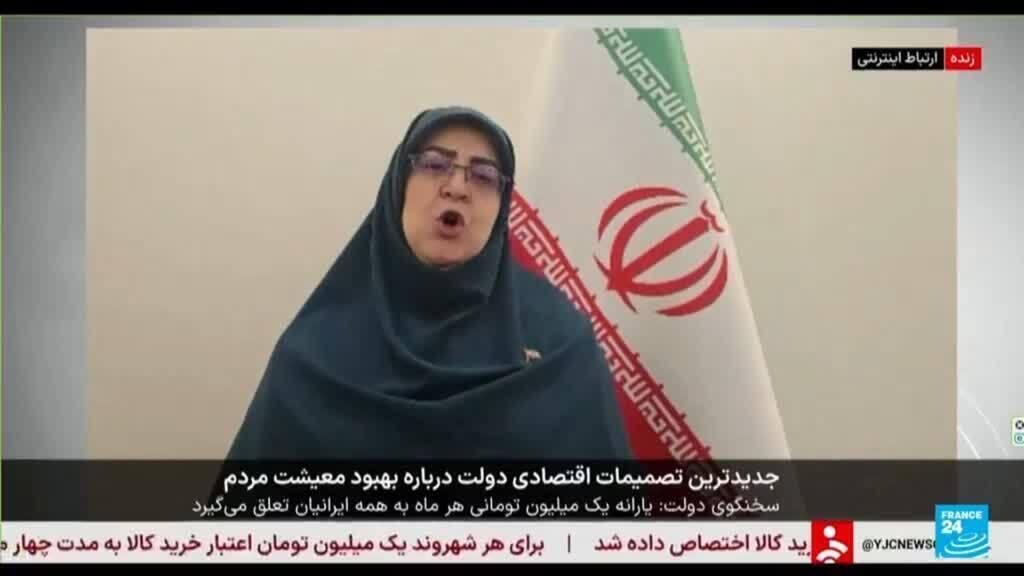
The demonstrations, which began around January 2, 2026, have spread across major cities, fueled by soaring inflation, unemployment, and broader discontent with the regime. In response, Iranian authorities on Sunday unveiled a monthly allowance equivalent to about 7% of the minimum wage, aimed at easing public pressure. Government spokeswoman Fatemeh Mohajerani stated on state television that every Iranian citizen would receive one million tomans (roughly $7) per month for four months. This aid will be distributed as credit usable for purchasing specific essential goods, in a bid to "reduce the economic pressure on the people," according to Mohajerani.
The measure, reported by France 24 and the Jerusalem Post, comes amid a week of sustained unrest marked by chants against the regime and calls for civil disobedience. Protesters have been particularly vocal in urging foreign intervention, with some directly appealing to U.S. President Donald Trump and Israeli Prime Minister Benjamin Netanyahu to take action, as noted in Jerusalem Post coverage. These appeals underscore the depth of frustration, with demonstrators framing their struggle as a pivotal challenge to Iran's clerical leadership.
U.S. Issues Stern Warning Amid Escalating Tensions
The protests have drawn immediate international attention, particularly from the United States. The U.S. State Department issued a blunt warning to Iran's leadership in Persian on social media, cautioning: "Don't play games" with President Trump, whom it described as a "man of action." According to the Times of India, Trump has vowed to "rescue" protesters should Iranian security forces resort to deadly force, declaring that the U.S. is "locked and loaded." This rhetoric reflects heightened U.S.-Iran tensions, exacerbated by the ongoing unrest and Iran's regional activities.
The warnings coincide with reports of protesters explicitly calling on Trump and Netanyahu for support, highlighting a rare public alignment between Iranian dissidents and Western leaders. Such appeals risk further inflaming domestic crackdowns, as Iranian authorities have historically viewed foreign involvement as a threat to national sovereignty.
Reports of Leadership Contingency Plans Surface
Adding to the volatility, a Jerusalem Post report cited unconfirmed claims that Supreme Leader Ayatollah Ali Khamenei has prepared an escape plan to Moscow should the regime collapse under protest pressure. The article did not specify sources for the intelligence but framed it within the context of intensifying civil unrest. Neither Iranian officials nor Russian authorities have commented on the allegation, which remains speculative amid the fluid situation.
Background: A History of Economic-Driven Unrest
Iran's current protests fit into a pattern of periodic uprisings tied to economic woes, compounded by decades of international sanctions, particularly those reimposed during Trump's first term. The 2019 "Bloody November" protests over fuel price hikes saw hundreds killed, according to Amnesty International estimates, while the 2022 Mahsa Amini demonstrations over women's rights evolved into broader anti-regime actions, resulting in over 500 deaths per human rights groups.
Sanctions have crippled Iran's economy, with inflation exceeding 40% in recent years and the rial plummeting. Youth unemployment hovers around 25%, per World Bank data, fueling disillusionment among a demographic where over 60% of the population is under 30. The latest protests, initially sparked by economic grievances, have reportedly grown to include demands for systemic change, echoing past movements.
Government responses have alternated between concessions and repression. The latest aid package mirrors short-term palliatives like cash handouts during prior crises, but analysts note its limited scope—one million tomans equates to a fraction of monthly living costs in urban areas, where basics like food and housing strain household budgets.
Outlook: Fragile Calm or Further Escalation?
As protests persist into January 5, the government's relief program may provide temporary respite, but underlying issues—sanctions, corruption allegations, and political repression—remain unaddressed. U.S. warnings could embolden demonstrators but also provoke a harder line from Tehran, potentially leading to violent clashes.
International observers, including the United Nations, have urged restraint, though no formal statements have emerged as of Monday. The situation remains dynamic, with social media footage showing large crowds in Tehran, Isfahan, and Shiraz defying security forces. Whether the aid dampens fervor or protesters press demands will shape Iran's near-term stability.
(Word count: 682)






