
Iran Escalates Rhetoric with Threats of Preemptive Strikes on Israel Amid Spy Execution and US Warnings
Tehran, January 7, 2026 – Tensions in the Middle East intensified this week as Iranian military leaders issued threats of preemptive attacks against Israel, following pointed warnings from U.S. President Donald Trump and the execution of an individual accused of spying for Israel. These developments, emerging amid reports of domestic unrest in Iran, signal a dangerous escalation in longstanding regional rivalries.
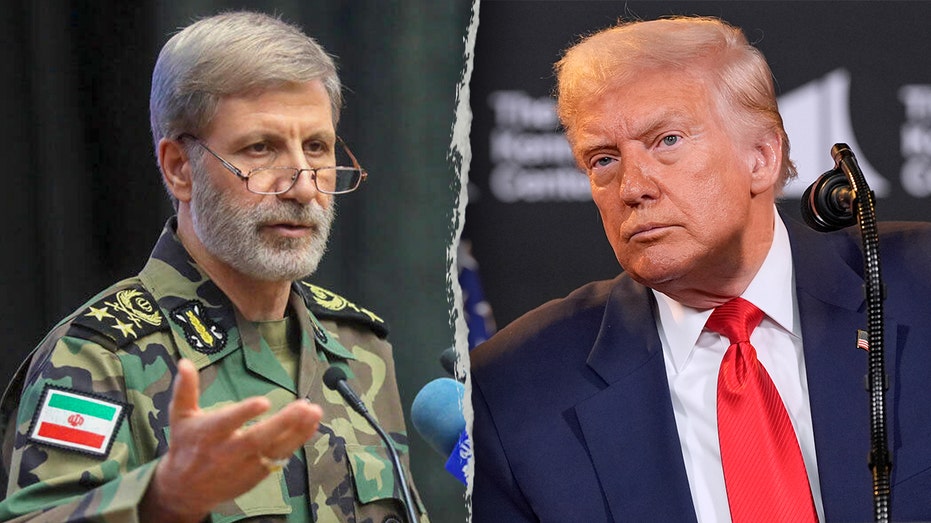
The sharp exchanges began gaining momentum on January 6, when Iranian officials hinted at potential preventive strikes against Israel, according to monitoring from global event trackers. By Wednesday, Iran's army chief had explicitly threatened preemptive military action, a direct response to Trump's recent statements. Trump had warned that the U.S. stands "locked and loaded" should the Iranian regime resort to killing protesters amid ongoing domestic demonstrations. This rhetoric underscores the fragile interplay between Iran's internal challenges and its external posturing.
Iran's military posture was further highlighted by statements attributed to the country's National Defense Council, which reportedly issued threats directed at both the United States and Israel. Romanian outlet EVZ, citing regional monitoring, described the council's warnings as contributing to "major tension in the Middle East." While specifics of the council's declaration remain limited in available reports, it aligns with a pattern of Iranian officials amplifying defensive and retaliatory language in response to perceived aggressions.
Compounding these threats, Iran's judiciary announced the execution of Ali Ardestani, a man accused of spying for Israel. State media outlet Mizan reported the development on Wednesday, framing it as a decisive action against espionage. Such executions are not isolated; Iran has a history of publicly announcing the punishment of individuals alleged to have collaborated with Israel, often using these cases to rally domestic support and deter perceived foreign interference.
Regional Context and Historical Backdrop
The latest flare-up occurs against a backdrop of deep-seated animosity between Iran and Israel, exacerbated by Iran's nuclear program, its support for proxy militias such as Hezbollah and Hamas, and repeated Israeli strikes on Iranian assets in Syria. The U.S., under Trump's second administration, has adopted a "maximum pressure" stance toward Tehran, including threats of military action reminiscent of the 2020 drone strike that killed Iranian General Qasem Soleimani.
Domestic protests in Iran, which Trump's comments referenced, echo waves of unrest seen in recent years, including the 2022 demonstrations following the death of Mahsa Amini in custody. Human rights groups have documented hundreds of protester deaths during those events, fueling international condemnation and sanctions. Trump's "locked and loaded" phrasing evokes his first-term approach, where he withdrew from the 2015 Iran nuclear deal and imposed crippling economic sanctions.
Israel, meanwhile, maintains a policy of preemption against Iranian threats, having conducted numerous covert operations and airstrikes targeting Iranian Revolutionary Guard Corps (IRGC) personnel and nuclear scientists. The execution of Ardestani fits into this shadow war, where both nations accuse each other of infiltration and sabotage. Iranian state media often publicizes such cases to portray the regime as vigilant against "Zionist plots," bolstering hardline factions within the government.
Analysts note that Iran's threats of preemptive strikes could be calibrated signaling rather than an imminent declaration of war. However, the involvement of high-level bodies like the army chief and National Defense Council elevates the stakes, potentially drawing in U.S. forces stationed across the Gulf.
International Reactions and Potential Fallout
No immediate responses from Israel or the U.S. State Department were detailed in the reports, but the timing—mere days into 2026—raises concerns about broader destabilization. The U.S. maintains a significant military presence in the region, including carrier strike groups in the Arabian Sea, positioning it to counter any Iranian aggression swiftly.
European allies, who have pursued diplomacy via the Joint Comprehensive Plan of Action (JCPOA) remnants, face renewed challenges in reviving nuclear talks. Saudi Arabia and other Gulf states, wary of Iranian proxies, have quietly bolstered defenses following similar past threats.
As of Wednesday afternoon GMT, global markets showed mild volatility in oil prices, rising approximately 2% amid fears of supply disruptions through the Strait of Hormuz, a chokepoint for 20% of the world's crude.
Outlook Amid Heightened Alert
While no strikes have materialized, the convergence of threats, executions, and counter-warnings points to a precarious moment. Iran's leadership, facing economic strain from sanctions and internal dissent, may leverage anti-Israel and anti-U.S. rhetoric to consolidate power. Conversely, Israel and the U.S. have demonstrated willingness to act preemptively, as seen in prior operations.
Diplomatic channels remain open but strained. The United Nations Security Council could convene if rhetoric turns to action, though veto powers held by permanent members complicate consensus. For now, all sides appear poised on a knife's edge, with the international community urging restraint to avert a wider conflict.
(Word count: 682)






