
Indonesia's Semeru and Merapi Volcanoes Erupt Amid Ongoing Activity
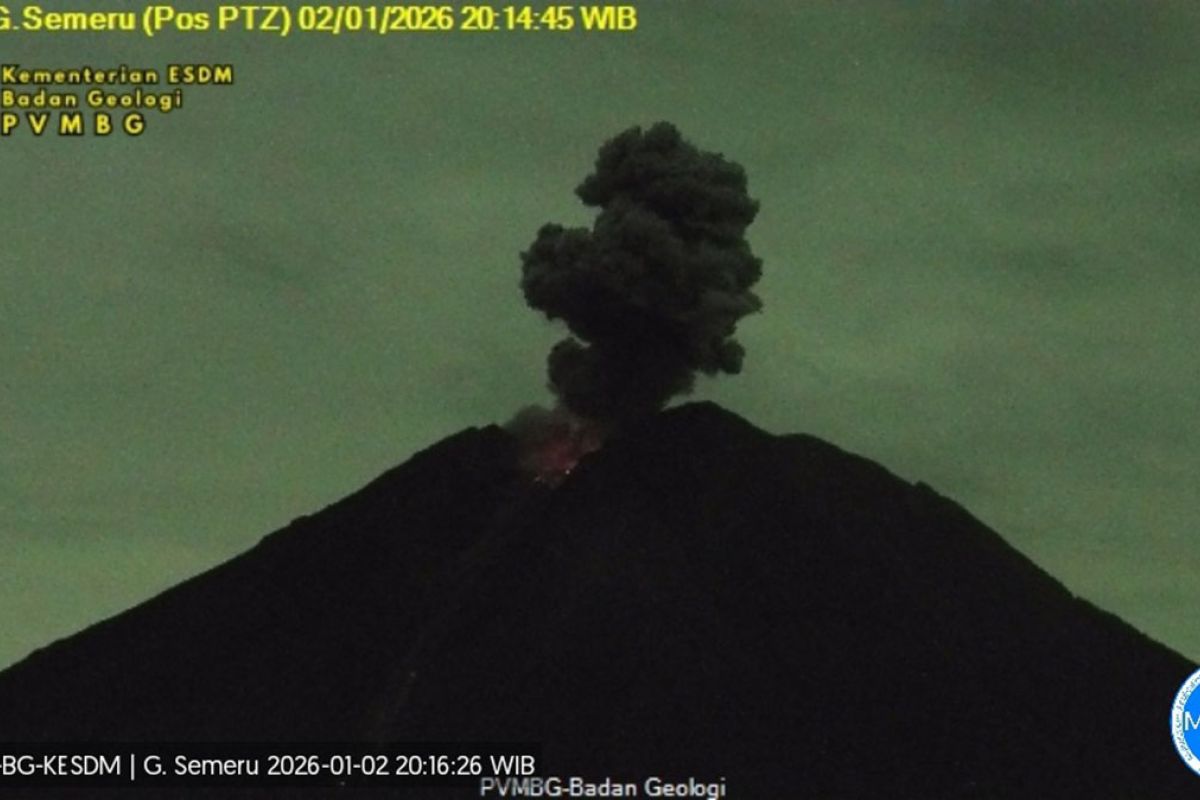
Two of Indonesia's prominent volcanoes, Semeru and Merapi, have been exhibiting significant volcanic activity since January 2, 2026. Both volcanoes have been classified as medium severity in their eruptions, raising concerns among local authorities and communities living in close proximity.
The Semeru volcano, located in East Java, has shown continuous eruptions, with volcanic ash rising up to 1 kilometer into the atmosphere. The Indonesian Center for Volcanology and Geological Hazard Mitigation (PVMBG) reported that the eruptions began at approximately 16:28 UTC on the same day. The authorities have issued advisories for residents in the surrounding areas, urging them to remain vigilant and prepared for potentially more intense eruptions in the coming days.
Similarly, the Merapi volcano, situated on the border of Central Java and Yogyakarta, has also been displaying heightened activity. The eruptions began simultaneously with those at Semeru, indicating a wider pattern of volcanic unrest in the region. This has prompted the PVMBG to increase monitoring efforts and maintain a heightened alert status.
Local Impact and Response
The local populations have been advised to stay at a safe distance from both volcanoes. Evacuation plans are in place, and emergency services are on alert to respond quickly should the situation escalate. The government is coordinating with local disaster response teams to ensure that residents are informed and prepared for any potential hazards such as ashfall or pyroclastic flows.
Residents in nearby villages have reported experiencing tremors and increased volcanic ash fall, which can disrupt air quality and pose health risks. Local authorities are conducting assessments to determine the impact on agriculture and infrastructure, particularly given that ash can contaminate water supplies and damage crops.
Background on Indonesia's Volcanic Activity
Indonesia, part of the Pacific Ring of Fire, is home to over 130 active volcanoes. The country's geological setting makes it prone to volcanic eruptions and seismic activity. The Semeru and Merapi volcanoes are among the most studied and monitored due to their historical activity and potential threat to surrounding populations.
Semeru, Indonesia's highest volcano, is known for its frequent eruptions, while Merapi is one of the most active volcanoes in the world, with explosive eruptions occurring regularly. Both volcanoes have a history of devastating eruptions that have affected local communities, making monitoring and preparedness critical.
Conclusion
As the situation evolves, the PVMBG will continue to monitor both Semeru and Merapi closely. Authorities emphasize the importance of following safety guidelines and staying informed about the latest developments. With Indonesia's complex volcanic landscape, vigilance is key in safeguarding lives and minimizing the impact of natural disasters.
Residents and visitors in the affected regions are urged to heed official warnings and stay updated through reliable sources as the situation unfolds.