
India Rolls Out Uniform Pharmacopoeial Standards for Blood and Essential Medicines to Bolster Patient Safety
New Delhi, India – In a significant move to safeguard public health, India implemented uniform pharmacopoeial standards for blood components and stricter quality specifications for essential medicines on January 3, 2026. The regulatory update aims to enhance patient safety and mitigate risks associated with substandard or unsafe products, marking a key advancement in the country's pharmaceutical oversight framework.
The new standards, enforced by the Central Drugs Standard Control Organisation (CDSCO) under the Ministry of Health and Family Welfare, introduce consistent quality benchmarks across blood components such as plasma, platelets, and red blood cells. This uniformity addresses previous variations in testing and storage protocols that could compromise transfusion safety. For essential medicines – a category encompassing critical drugs like antibiotics, analgesics, and antiretrovirals – the specifications tighten purity, potency, and stability requirements. These changes build on the Drugs and Cosmetics Act, 1940, and its amendments, responding to ongoing concerns over counterfeit drugs and quality lapses highlighted in recent audits.
Health officials emphasized that the implementation, effective immediately, will involve mandatory compliance for manufacturers, blood banks, and pharmacies nationwide. "This step is crucial in reducing adverse events and ensuring that life-saving products meet global best practices," a senior CDSCO spokesperson noted in official communications, though specific enforcement mechanisms, such as increased inspections and penalties for non-compliance, are yet to be detailed publicly. The medium-severity initiative aligns with India's broader "Pharma Vision 2047" goals to position the country as a global leader in affordable, high-quality pharmaceuticals.
Judicial Backdrop: Supreme Court Shields Judges from Frivolous Complaints
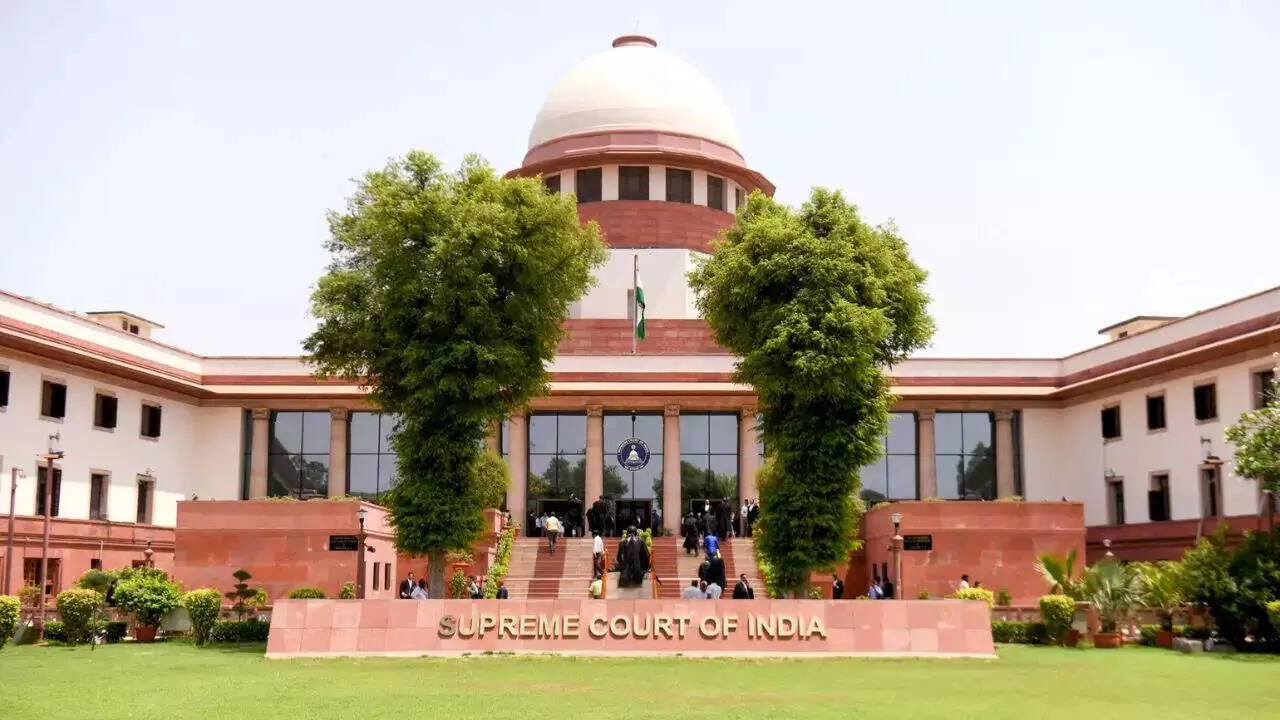
Amid these regulatory strides, the Supreme Court of India delivered a landmark ruling on January 6, 2026, reinforcing judicial independence by declaring that judges cannot be penalized for "errors of judgment." In a case involving the reinstatement of a trial court judge terminated over a bail decision later overturned, the apex court underscored that fearless judges form the "bedrock of the judiciary."
The bench, led by Chief Justice D.Y. Chandrachud, expressed alarm over the rising tide of frivolous complaints against judicial officers, which it said could erode the rule of law. "If judges start hesitating to grant bail fearing complaints, the justice delivery system will collapse," the court observed, criticizing administrative overreach in disciplinary actions. The ruling reinstated the judge in question and set a precedent that only proven misconduct, not mere judicial mistakes, warrants penalties.
This decision comes at a time when India's judiciary faces scrutiny over pendency and accountability, with over 50 million cases backlog as per recent National Judicial Data Grid data. It echoes prior judgments like the 1993 Vineet Narain case, which established judicial insulation from executive interference.
Background and Context
India's pharmaceutical sector, the world's third-largest by volume, has long grappled with quality control challenges. Incidents such as the 2023 cough syrup contamination scandal, which claimed dozens of children's lives and prompted global export bans, accelerated calls for reform. The Indian Pharmacopoeia (IP), updated biennially, now integrates these new standards, harmonizing with international references like the United States Pharmacopeia (USP) and British Pharmacopoeia (BP). The CDSCO's expansion, including 10 new drug-testing labs since 2020, supports enforcement.
The timing of the drug standards rollout coincides with post-pandemic supply chain vulnerabilities exposed during COVID-19, when blood shortages and medicine shortages strained healthcare. Economically, the measures could impact the $50 billion industry, potentially raising short-term costs but ensuring long-term export credibility under schemes like Production Linked Incentives (PLI).
Meanwhile, the Supreme Court's intervention addresses systemic pressures on lower judiciary, where over 20,000 judges handle caseloads averaging 1,500 each. Frivolous inquiries by high courts have risen 15% annually, per Bar Council data, prompting the ruling to recalibrate accountability.
Outlook
As implementation unfolds, stakeholders anticipate smoother blood supply chains and fewer drug recalls, though challenges like rural compliance and private sector pushback remain. The judicial ruling may embolden trial courts, potentially easing bail grants in line with the 2023 Bharatiya Nagarik Suraksha Sanhita's emphasis on undertrial liberty.
These developments signal India's commitment to robust health regulations and an independent judiciary, pivotal for governance in a nation of 1.4 billion. Monitoring compliance will be key, with industry bodies like the Indian Pharmaceutical Alliance pledging cooperation.
(Word count: 612)






