
India Reinforces Military Posture and Navigates Global Tensions Amid Pakistan Concerns
New Delhi, January 9, 2026 – India's External Affairs Minister S. Jaishankar has reiterated the country's sovereign right to self-defense against terrorism, particularly in light of ongoing challenges from neighboring Pakistan, while underscoring New Delhi's commitment to strategic autonomy in foreign policy. This statement comes as the Indian Army advances its modernization efforts with a new contract for upgrading Pinaka multi-barrel rocket launcher systems, and amid diplomatic ripples from the detention of three Indian crew members on a U.S.-seized Russian-linked oil tanker.
Jaishankar's remarks, delivered on January 2, highlight India's firm stance on countering cross-border terrorism, a persistent issue in its relations with Pakistan. Speaking in the context of regional security dynamics, the minister emphasized that India will not hesitate to protect its interests, aligning with long-standing positions following major incidents like the 2019 Pulwama attack and subsequent Balakot airstrikes. "India's strategic autonomy allows us to pursue our interests without external dictation," Jaishankar stated, reflecting New Delhi's multi-alignment approach amid pressures from global powers.
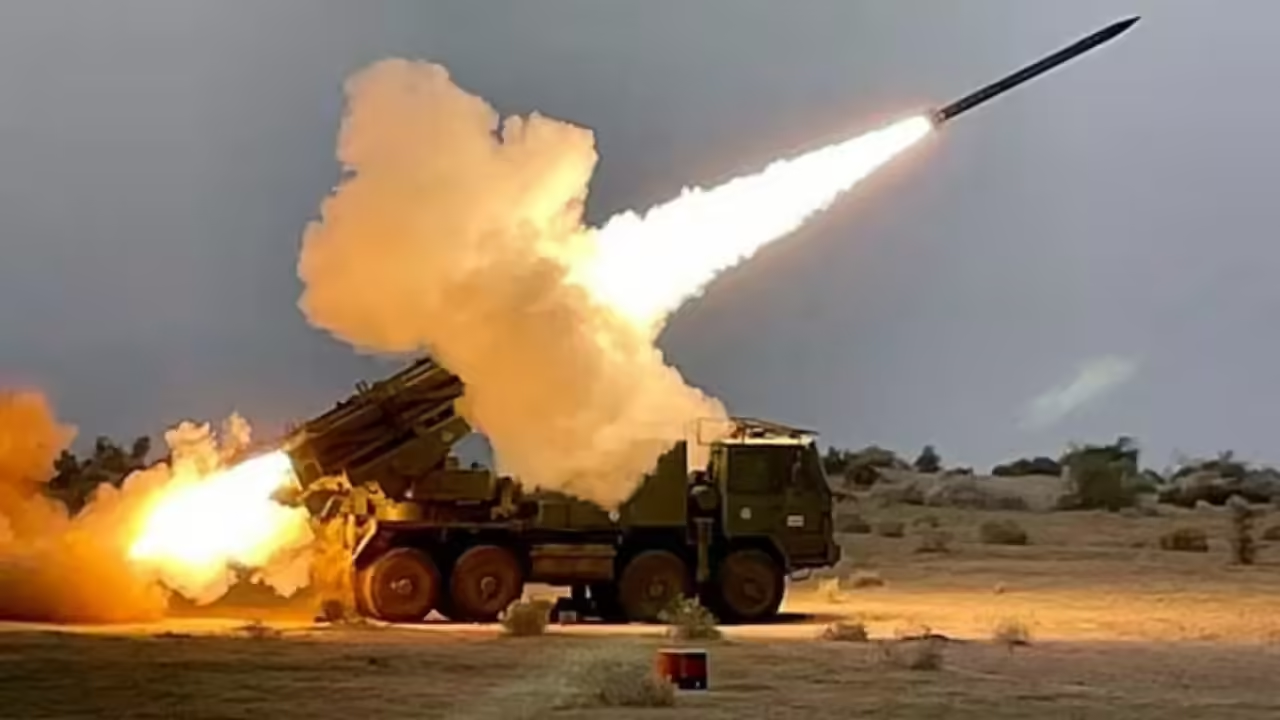
In a parallel development signaling military preparedness, Larsen & Toubro (L&T) has secured a significant order from the Indian Army to upgrade its Pinaka rocket launcher systems. Announced on January 8, the contract aims to enhance the capabilities of these indigenous weapons platforms, which have been pivotal in India's artillery modernization. The Pinaka system, developed by the Defence Research and Development Organisation (DRDO), offers extended range and precision strike abilities, with variants capable of reaching up to 90 kilometers. This upgrade underscores India's push toward self-reliance in defense under the Atmanirbhar Bharat initiative, especially along volatile borders with Pakistan and China.
The Pinaka enhancements come at a time of heightened vigilance. India and Pakistan have maintained a fragile ceasefire along the Line of Control (LoC) since February 2021, but sporadic violations and terrorism concerns persist. The system's deployment in high-altitude areas during Operation Sindoor in 2020 demonstrated its effectiveness in challenging terrains, and the latest order—valued in the hundreds of crores—will integrate advanced guidance and mobility features to bolster firepower.
Compounding these defense-focused moves, a separate geopolitical flashpoint emerged involving Indian nationals caught in U.S.-Russia frictions over energy sanctions. On January 8, reports confirmed that three Indian crew members are among the detained personnel from an oil tanker seized by U.S. authorities, believed to be linked to sanctions evasion on Russian oil exports. Moscow has demanded humane treatment for the crew, including the Indians, escalating tensions between Washington and the Kremlin.
This incident highlights India's delicate balancing act in global energy geopolitics. Since Russia's 2022 invasion of Ukraine, India has ramped up imports of discounted Russian crude, reaching record levels of over 1.5 million barrels per day by late 2023, helping stabilize domestic fuel prices amid global volatility. The U.S. has issued warnings to third parties against violating sanctions, yet India maintains that its purchases are compliant with international payment mechanisms like rupee-ruble trade. The detention of Indian sailors—part of a multinational crew—raises questions about crew safety and could strain New Delhi's relations with both superpowers.
Background on India's Geopolitical Landscape
India's foreign policy under Prime Minister Narendra Modi emphasizes strategic autonomy, allowing engagement with diverse partners—from the U.S. via the Quad alliance against Chinese expansion, to deepening ties with Russia, its largest defense supplier. Annual military budgets exceeding $70 billion reflect priorities in border security, with Pakistan-linked terrorism remaining a core concern. Jaishankar's assertion of self-defense rights echoes post-Uri and Pulwama doctrines, where India conducted surgical strikes without escalating to full war.
The Pinaka program exemplifies this indigenization drive: over 10 regiments are operational, with exports to Armenia marking India's growing defense export profile. Meanwhile, the tanker row fits into broader U.S. efforts to enforce sanctions, including secondary measures against entities aiding Russian oil transport above price caps. India has repatriated crews from similar incidents before, but this case amplifies calls for clearer sanction guidelines.
Outlook
As India fortifies its defenses and navigates energy diplomacy, these events signal a proactive posture in a multipolar world. The Pinaka upgrade will enhance deterrence along the western frontier, while diplomatic channels are likely working to secure the release of the detained Indians. Jaishankar's words serve as a reminder of India's red lines, potentially setting the tone for bilateral talks with Pakistan and interactions at forums like the UN Security Council, where India holds a non-permanent seat until 2026.
With regional stability hanging in balance, New Delhi's actions underscore a blend of military resolve and diplomatic agility, ensuring national security without isolation from global partnerships.
(Word count: 712)






