
India Navigates Geopolitical Tensions: Self-Defense Rights, US Trade Pressures, and Strategic Autonomy
New Delhi, January 6, 2026 – India's External Affairs Minister S. Jaishankar has reaffirmed the country's sovereign right to self-defense against terrorism, particularly in light of ongoing threats from neighboring Pakistan, while underscoring New Delhi's commitment to strategic autonomy amid escalating global pressures.
Speaking on January 2, Jaishankar highlighted India's firm stance on countering cross-border terrorism, a persistent challenge in its relations with Pakistan. His remarks come against the backdrop of heightened regional security concerns, including recent intelligence reports on militant activities along the Line of Control. "India will not hesitate to exercise its right to self-defense," Jaishankar stated, emphasizing that such actions are essential for national security without compromising the nation's independent foreign policy.
This assertion of autonomy arrives as India grapples with intensifying economic and diplomatic frictions with the United States. On January 5, President Donald Trump issued a stark warning to India, demanding a reduction in its imports of Russian crude oil or face escalated tariffs. The very next day, January 6, Reliance Industries, one of India's largest refiners, announced it anticipates no deliveries of Russian crude in January, signaling a swift compliance amid mounting US pressure.
The development underscores the delicate balance India must strike in its energy security strategy. Russia has been a key supplier of discounted oil to India since the 2022 Ukraine invasion, helping New Delhi diversify away from traditional Middle Eastern sources and mitigate global price spikes. However, Washington's secondary sanctions and tariff threats—potentially hiking duties up to 50% on Indian exports—have forced refiners to recalibrate. Reliance's decision follows similar moves by other Indian companies, reflecting broader industry adjustments to avoid punitive measures from the US, India's largest trading partner.
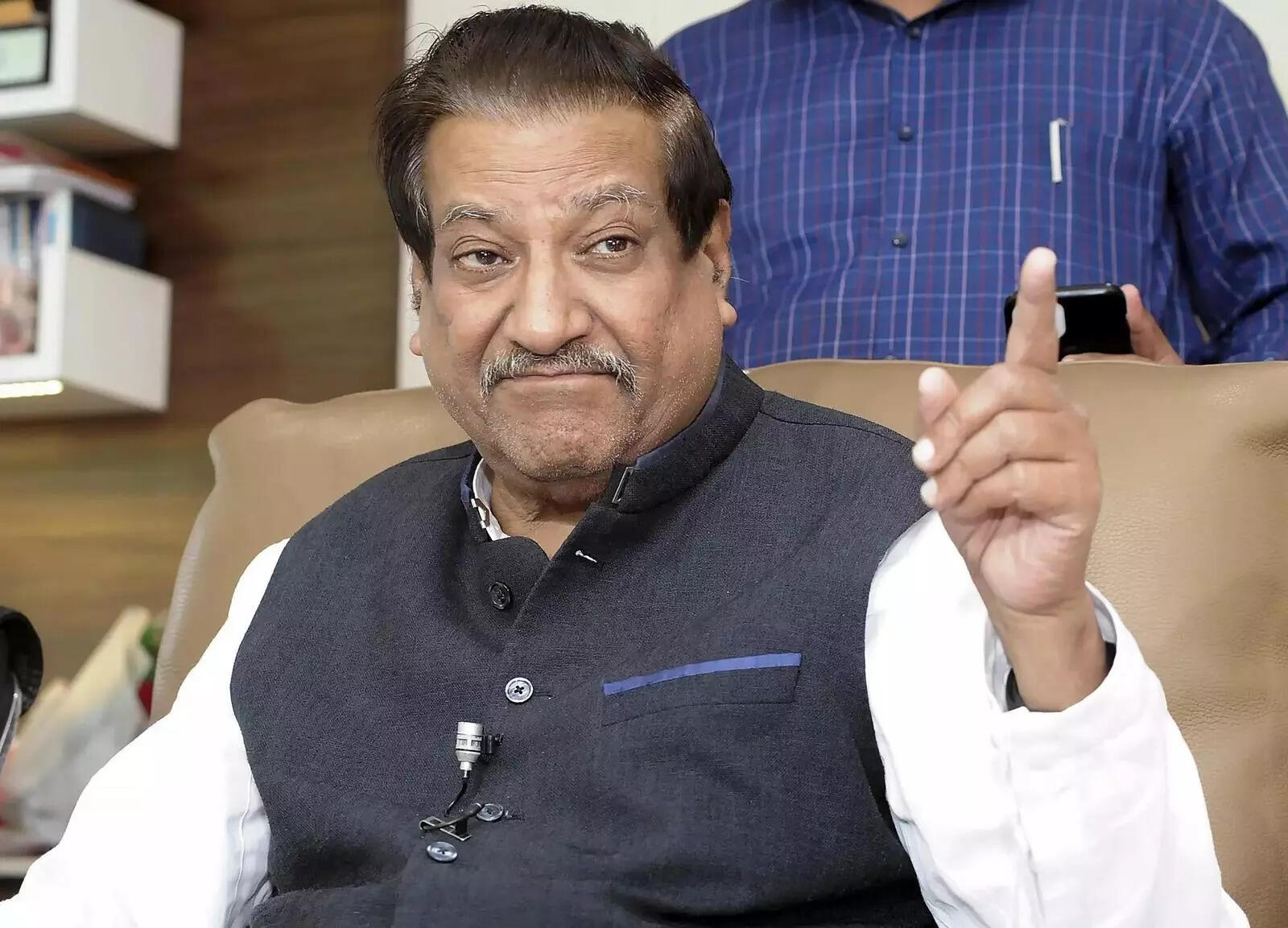
Domestic political reactions have amplified the geopolitical discourse. On January 6, former Maharashtra Chief Minister Prithviraj Chavan, a Congress leader, sparked controversy with a provocative statement linking US-India trade tensions to recent events in Venezuela. Chavan questioned whether the Trump administration, amid allegations of a CIA-led operation in the South American nation, might "kidnap" Indian Prime Minister Narendra Modi. "Will Trump kidnap our PM?" Chavan asked in a public address, criticizing the Modi government's silence on Venezuela and accusing it of capitulating to US demands out of fear. He urged India to seek alternative export markets to counter the proposed 50% US tariffs, framing the episode as evidence of eroded strategic independence.
Chavan's remarks, captured in a widely circulated video, drew sharp rebukes from ruling Bharatiya Janata Party (BJP) leaders, who dismissed them as "bizarre" and unbecoming of a senior politician. The controversy highlights deepening partisan divides over India's foreign policy, particularly its relations with the US and Russia.
Background on India's Geopolitical Balancing Act
India's foreign policy has long emphasized "strategic autonomy," a doctrine rooted in its non-aligned movement heritage during the Cold War. Under Prime Minister Modi, this has evolved into "multi-alignment," fostering ties with both Western powers and Russia. The US-India partnership has strengthened through initiatives like the Quad (with Japan and Australia) to counter China in the Indo-Pacific, yet frictions persist over trade imbalances, technology transfers, and energy choices.
The current oil import row traces back to Trump's return to office in January 2025, where he prioritized enforcing sanctions on Russian energy buyers. India, the world's third-largest oil importer, sourced about 40% of its Russian crude needs from Moscow in late 2025, saving billions amid volatile markets. US tariffs could impact sectors like textiles, pharmaceuticals, and gems, which account for over $80 billion in annual exports to America.
On the Pakistan front, Jaishankar's comments echo longstanding tensions exacerbated by the 2019 Pulwama attack and Balakot airstrikes, where India conducted precision strikes on terrorist camps. Pakistan-backed groups like Jaish-e-Mohammed continue to pose threats, prompting India to bolster border defenses and international advocacy at forums like the UN.
Outlook Amid Rising Stakes
As India responds to these pressures, analysts anticipate further diversification of energy sources, including increased imports from the Middle East and domestic production boosts. Diplomatic channels remain open, with upcoming US-India trade talks potentially easing tensions. Meanwhile, Jaishankar's self-defense rhetoric signals no retreat on security matters, positioning India to assert its interests in a multipolar world.
The confluence of these events—self-defense assertions, US tariff threats, and domestic critiques—illustrates the complexities of India's geopolitical navigation in early 2026. New Delhi's responses will shape its global standing, balancing economic imperatives with sovereignty.
(Word count: 682)






