
India Navigates Ganges Water Diplomacy with Bangladesh Amid Strategic Defense Milestone
New Delhi, January 10, 2026 — India and Bangladesh initiated talks on January 9 to renew a critical water-sharing agreement for the Ganges River, even as political disputes and upcoming elections in Bangladesh cast uncertainty over the negotiations. On the same day, India's Defence Research and Development Organisation (DRDO) announced a major breakthrough with the successful ground test of a scramjet engine for a hypersonic missile, bolstering the country's defense posture in a volatile regional geopolitical landscape.
The Ganges water-sharing discussions, rated as a medium-severity geopolitical event, aim to update the 1996 Ganges Water Sharing Treaty, which has governed the allocation of flows from the shared river for three decades. The treaty, signed between India and Bangladesh, addresses seasonal water distribution, particularly during the dry season when scarcity intensifies downstream impacts in Bangladesh. Negotiations began at 09:30 GMT on January 9, focusing on renewal terms amid rising concerns over climate change, upstream dam projects, and equitable distribution. However, political friction and Bangladesh's impending elections are complicating progress, with Dhaka's interim government facing domestic pressures to assert stronger bargaining positions.
Bangladesh has long viewed the Ganges treaty as foundational to its water security, given that over 80% of its population relies on the river system. Past renewals have been contentious; the original 1975 Farakka Accord preceded the 1996 pact after years of diplomatic standoffs. Indian officials, speaking on condition of anonymity, emphasized mutual benefits, noting that collaborative management could mitigate flood risks and support agriculture on both sides. Yet, reports indicate Dhaka's reservations stem from perceived imbalances, exacerbated by India's Teesta River water projects and broader regional water stress.
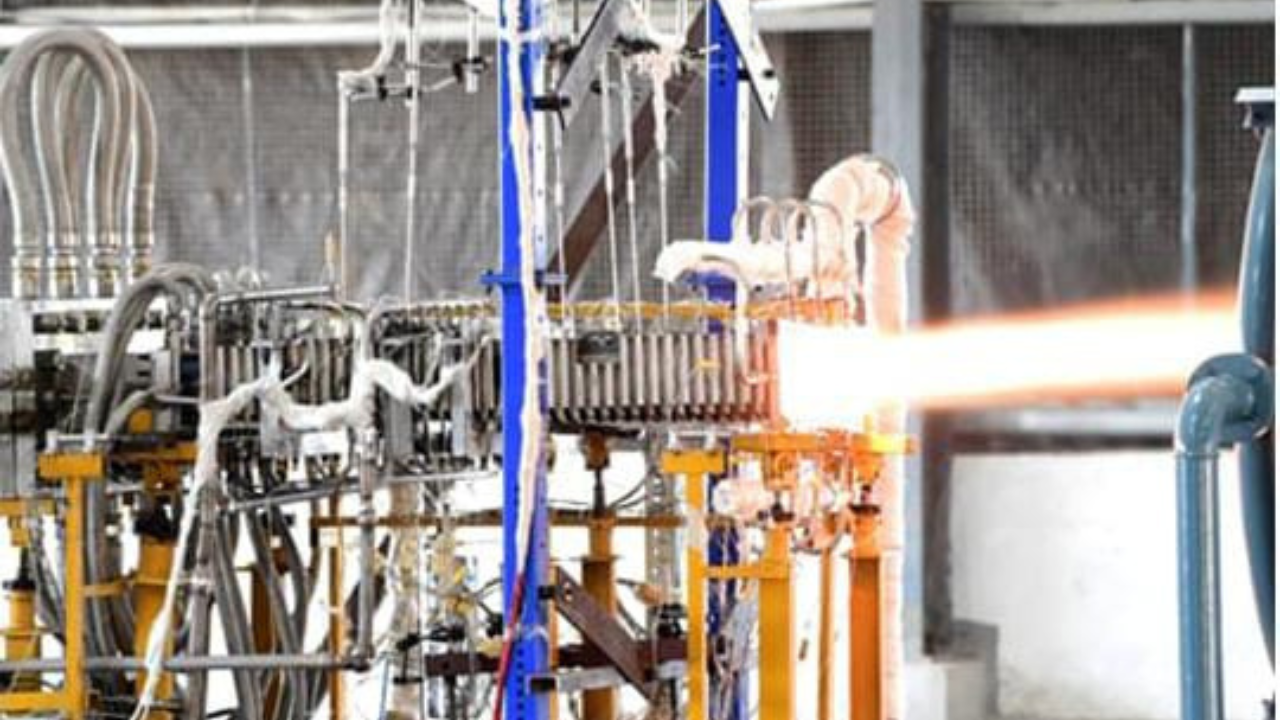
In parallel, India's defense sector marked a significant achievement that carries clear geopolitical weight. The DRDO's scramjet engine ground test, conducted successfully on January 9 and reported later that evening, advances India's Hypersonic Technology Demonstrator Vehicle (HSTDV) program. This test validates air-breathing propulsion critical for hypersonic cruise missiles, capable of speeds exceeding Mach 5, evading traditional defenses. According to the Times of India, the milestone positions India among a select group of nations—including the United States, Russia, and China—mastering such technology.
Strategic Context in South Asia
India's hypersonic push occurs against a backdrop of escalating border tensions with China along the Line of Actual Control (LAC) and ongoing security challenges with Pakistan. The 2020 Galwan Valley clash with Chinese forces underscored the need for standoff weapons that reduce response times and penetration capabilities. Hypersonic systems, unlike ballistic missiles, use scramjet engines for sustained high-speed flight within the atmosphere, enhancing precision strike options. DRDO's incremental progress—following sea-level and high-altitude tests in prior years—signals operational deployment potential within the next few years, integrated into platforms like the BrahMos-II missile.
Geopolitically, this development reinforces India's deterrence in the Indo-Pacific, where China's hypersonic arsenal, including the DF-17, has shifted regional balances. Prime Minister Narendra Modi's government has prioritized self-reliance under the Atmanirbhar Bharat initiative, with defense R&D allocations rising to over $20 billion in recent budgets. Experts note that such advancements could influence quadrilateral security dialogues (Quad) with the US, Japan, and Australia, aimed at countering Beijing's assertiveness.
Meanwhile, the Ganges talks highlight enduring bilateral frictions in India's neighborhood. Relations with Bangladesh have warmed under Prime Minister Sheikh Hasina's tenure, with cooperation on trade, connectivity via the India-Bangladesh-Myanmar Trilateral Highway, and counter-terrorism. However, water emerges as a perennial flashpoint. Bangladesh's opposition parties have criticized past agreements as favoring India, potentially leveraging elections to demand revisions, including veto powers on upstream barrages like the proposed Tipaimukh Dam.
Historical Background on Key Issues
The India-Bangladesh water accord traces to the 1972 Simla Agreement post-Bangladesh's independence, but implementation faltered until Farakka's commissioning in 1975 to flush silt from the Hooghly River for Kolkata's port. The 1996 treaty established a 30-year framework with guaranteed minimum flows at Farakka: 35,000 cusecs for Bangladesh during January-February peaks, tapering seasonally. As the pact nears expiry in 2026, both nations face amplified pressures from glacial melt, erratic monsoons, and population growth—India's Ganges basin supports 400 million, Bangladesh's 160 million.
On the defense front, India's scramjet success builds on the 2019 flight trial of HSTDV, a scaled-down version of a reusable launch vehicle. International observers, including the US Strategic Command, have tracked these efforts, with potential technology-sharing implications under defense pacts like the Logistics Exchange Memorandum of Agreement (LEMOA).
Outlook Amid Regional Dynamics
Prospects for the Ganges renewal remain fluid, with Indian diplomats urging a technical committee to bridge gaps before Bangladesh's polls. Failure could strain ties, inviting external actors like China, which funds Bangladesh's infrastructure via the Belt and Road Initiative.
India's hypersonic stride, conversely, projects resolve amid the LAC standoff's fourth anniversary and Pakistan's missile tests. As New Delhi balances diplomacy with deterrence, these January 9 developments encapsulate its multifaceted geopolitical strategy: fostering neighborly equity while fortifying strategic autonomy.
(Word count: 748)






