
India Grapples with Geopolitical Flashpoints: Ganges Water Talks Stall Amid Bangladesh Elections, Drone Incursions Escalate Border Tensions
New Delhi/ Dhaka/ Jammu, January 9, 2026 – India is navigating dual geopolitical challenges on Friday, as negotiations to renew the longstanding Ganges water-sharing treaty with Bangladesh face hurdles from political instability and upcoming elections in the neighboring country, while security forces in Jammu and Kashmir intensified search operations following the seizure of a suspicious drone near the Pakistan border.
The India-Bangladesh Ganges water talks, which commenced earlier today at 09:30 GMT, aim to extend the 1996 Ganges Water Sharing Treaty set to expire this year after 30 years. The agreement, centered around the Farakka Barrage in West Bengal, governs the equitable distribution of Ganges waters during the critical dry season from January to May, a vital resource for agriculture, fisheries, and drinking water in both nations. However, the renewal process has been complicated by political disputes in Bangladesh and the shadow of impending national elections.
Bangladesh's interim government, led by Nobel laureate Muhammad Yunus since the ouster of former Prime Minister Sheikh Hasina in August 2024, has prioritized domestic reforms amid economic pressures and student-led protests. Reports indicate that Dhaka's negotiating stance has hardened, with demands for greater water flow assurances and environmental impact assessments on upstream Indian projects. Indian officials, speaking on condition of anonymity, expressed cautious optimism but highlighted "political uncertainties" as a key obstacle. The elections, tentatively slated for late 2026 or early 2027, could shift priorities, potentially empowering opposition voices critical of India's water management.
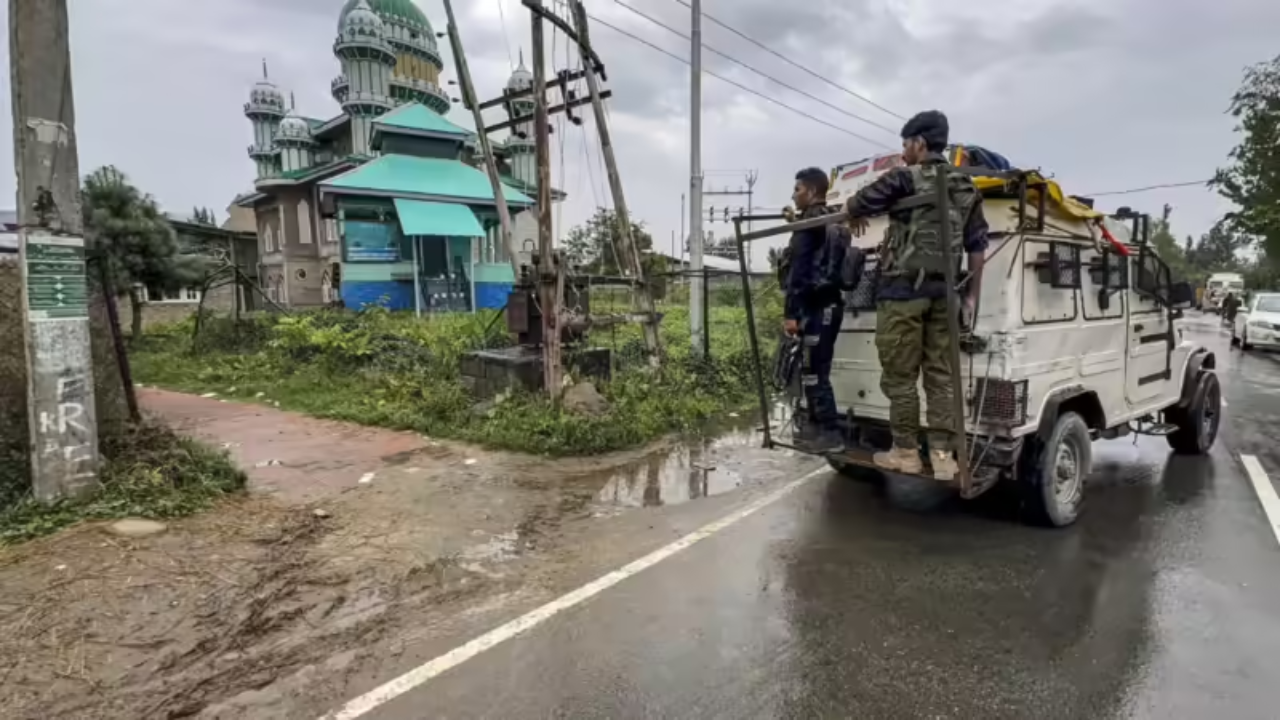
In parallel, India's western frontier saw heightened alert levels after security forces seized a drone in RS Pura, Jammu, prompting extensive search operations in Samba district and the outskirts of Jammu city. According to reports from The Times of India, the operations, launched on Friday, underscore ongoing concerns over cross-border drone activities, often linked to Pakistan-based militants smuggling arms, explosives, or conducting reconnaissance.
Escalating Border Security Concerns
The drone seizure in RS Pura—a border village just 20 kilometers from the Line of Control (LoC)—comes amid a surge in such incidents since 2021. Indian Army and Jammu & Kashmir Police teams cordoned off multiple locations, including forested areas and villages, to neutralize potential threats. No arrests were immediately reported, but officials described the drone as "suspicious" and under forensic examination to trace its origin and payload.
This event fits a pattern of intensified Pakistan-India border tensions in the Jammu region. Post the revocation of Jammu and Kashmir's special status under Article 370 in August 2019, India has reported over 300 drone sightings annually, primarily from Pakistan-occupied Kashmir (PoK). Previous seizures have uncovered heroin, grenades, and IED components, fueling accusations of state-sponsored terrorism by Islamabad. Pakistan routinely denies involvement, attributing drones to "technical errors" or non-state actors.
Indian Defence Minister Rajnath Singh reiterated last month the government's zero-tolerance policy, announcing advanced counter-drone systems like laser-based weapons and AI surveillance along the 3,323-km International Border. "Any incursion, aerial or otherwise, will be met with firm response," a senior defence spokesperson stated, linking the latest operations to intelligence inputs on infiltration bids.
Historical Context and Broader Implications
The Ganges treaty traces back to decades of riparian disputes, with Bangladesh historically accusing India of over-diverting waters via the Farakka Barrage, operational since 1975. The 1996 pact, signed under Prime Ministers H.D. Deve Gowda and Sheikh Hasina, allocates minimum flows to Bangladesh—e.g., 35,000 cusecs at Farakka during March 11-20—balancing India's needs for the Bhagirathi-Hooghly river system. Non-renewal risks escalating tensions, especially as climate change exacerbates water scarcity, with the Ganges basin supporting 600 million people.
On the security front, Jammu's Pir Panjal range and international border have replaced the LoC as primary infiltration routes post-2021 ceasefire. The 2021 Director General of Military Operations (DGMOs) agreement reduced LoC firings by 90%, but drone threats persist, challenging bilateral peace efforts.
Outlook: Diplomacy and Vigilance
As talks continue virtually and in-person shuttles between Delhi and Dhaka, Indian Water Resources Secretary Debashree Mukherjee is expected to address Bangladesh's concerns on transboundary data sharing. Success could bolster India’s "Neighbourhood First" policy, strained by Hasina’s fall and China's growing influence via the Belt and Road Initiative.
Meanwhile, in Jammu, operations are ongoing, with residents urged to report suspicious activities. Analysts view these incidents as low-intensity provocations amid Pakistan's economic woes and domestic political flux under interim leadership.
India's multi-front geopolitical balancing act highlights its strategic priorities: securing resources in the east while fortifying the west. Both developments, unfolding on the same day, signal a year of heightened vigilance as New Delhi eyes regional stability.
(Word count: 712)






